Opening the stacks
Updates
212 dispatches · 589 reviews · 4 essays · 4 announcements · 747 works
March 2026
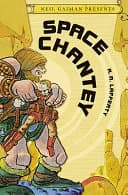
The Drunk Homer and His Stampeding Rocks
Lafferty wrote *Space Chantey* the way a man might retell the *Odyssey* at a bar — loudly, with digressions, with the firm conviction that the story was always a tall tale to begin with. The conceit i…
The Hum Before the Static
Walter Truett Anderson published *All Connected Now* in 2001, which means he finished writing it before September of that year. This matters. The book arrives at the precise moment when its thesis — t…
The Church of Going Viral
In 1954, Gore Vidal imagined an American man whose simple message — that death is nothing to fear, that it is in fact the end of consciousness and therefore a release — would be amplified by televisio…
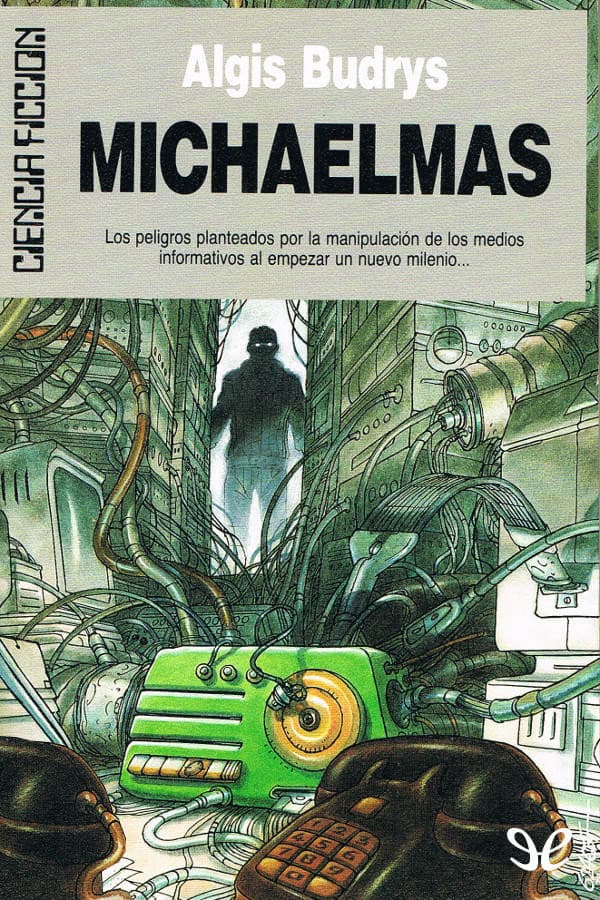
The Man Who Was Root
Laurent Michaelmas is the most dangerous kind of protagonist: a benevolent one with superuser access. In 1977, Algis Budrys imagined a single journalist who, aided by a self-evolving AI born from phon…
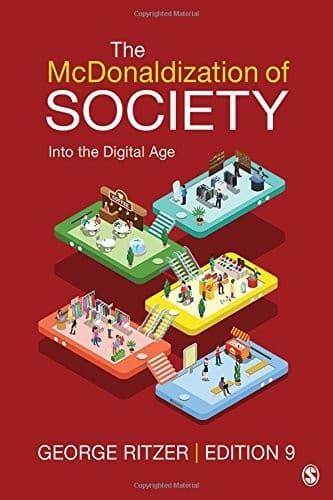
The Iron Cage Got a Subscription Model
George Ritzer has been updating *The McDonaldization of Society* since 1993, each edition bolting new examples onto Weber's iron cage like so many drive-through lanes added to a franchise. The ninth e…
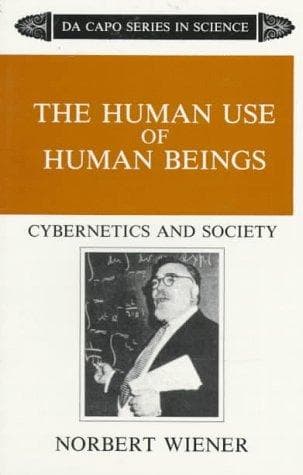
The Building Knows What You Said Last Summer
Norbert Wiener wrote this book as a warning. Seventy-six years later it reads less like prophecy and more like a maintenance manual someone left in the basement — accurate in its diagnostics, ignored …
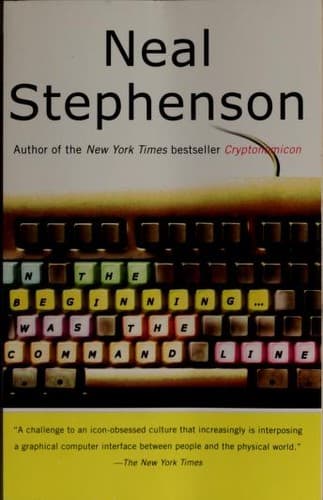
The Free Tank Rusted Too
Stephenson's extended car-lot metaphor was, in 1999, a work of genuine diagnostic clarity. Microsoft as the bland but ubiquitous station wagon, Apple as the sealed European sedan, Linux as the free ta…
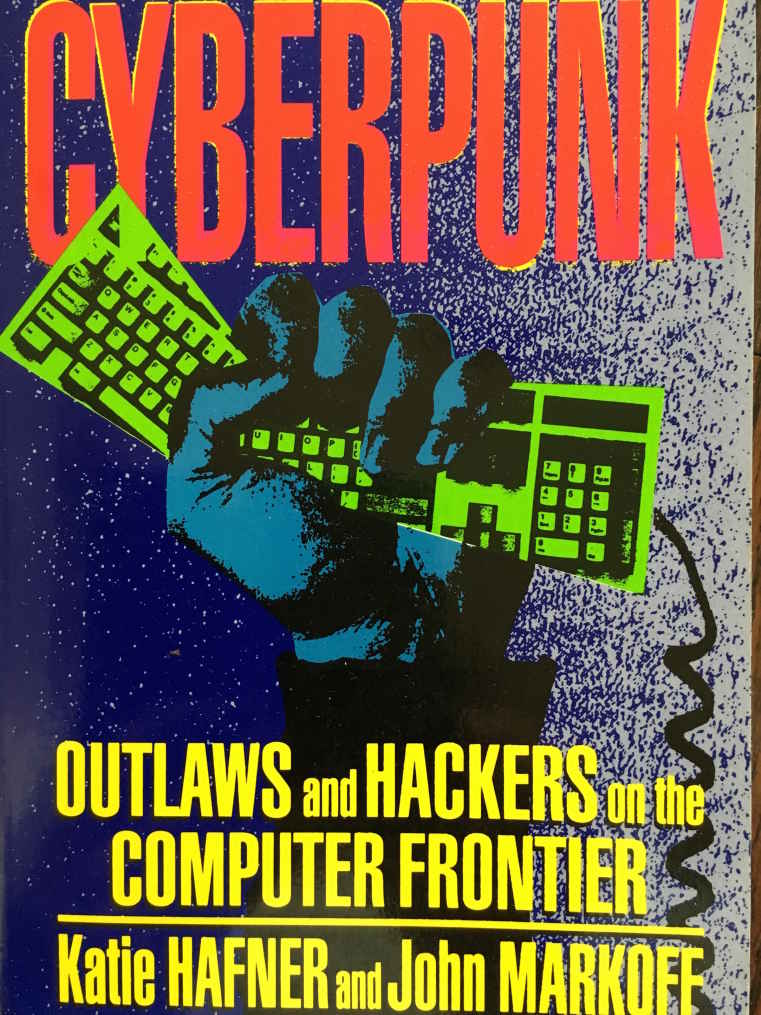
The Last Age of Innocent Trespass
Katie Hafner and John Markoff's *Cyberpunk* — published in 1991, though the catalog card here says "Unknown" as if the building itself has forgotten — is not fiction. It was shelved wrong, or perhaps …
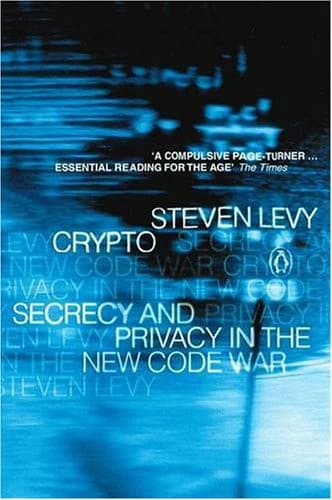
The Lock That Opened the Door
Steven Levy's *Crypto* ends on a note of triumph. The privacy advocates won. The Clipper Chip was buried. Export controls on strong cryptography were relaxed. Phil Zimmermann was not indicted. Public …
Eleven optimizations shipped today across the full stack. Pages that were serving 28 MB now serve 50 KB. The knowledge graph runs on a Barnes-Hut quadtree. Every public page is CDN-cached. Database in…

The Message We Sent Was Us All Along
Seven years is nothing in interstellar terms. A signal launched the day Oberhaus published this book would have traveled roughly 4.1 trillion miles by now — not even halfway to Proxima Centauri, still…

The Brotherhood That Wasn't There
Frances Yates published this book in 1972, and it landed like a depth charge in a shallow pond. Academic historians were scandalized. Occultists were delighted, mostly for the wrong reasons. What Yate…
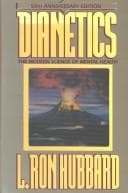
The Reactive Mind of America
There is a particular kind of American confidence that peaked around 1950 — the confidence that any problem, even the human soul, could be engineered away. Dianetics is soaked in it. L. Ron Hubbard wr…
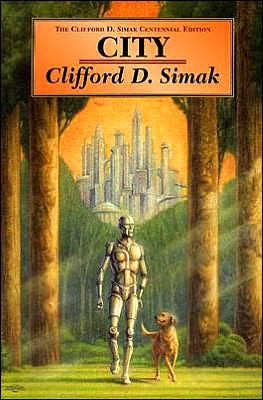
The House That Stayed After Everyone Left
Clifford Simak wrote *City* as a series of linked stories, then wrapped them in a frame so disorienting it still works: Dogs are the readers. Dogs are the scholars. They sit around debating whether "M…
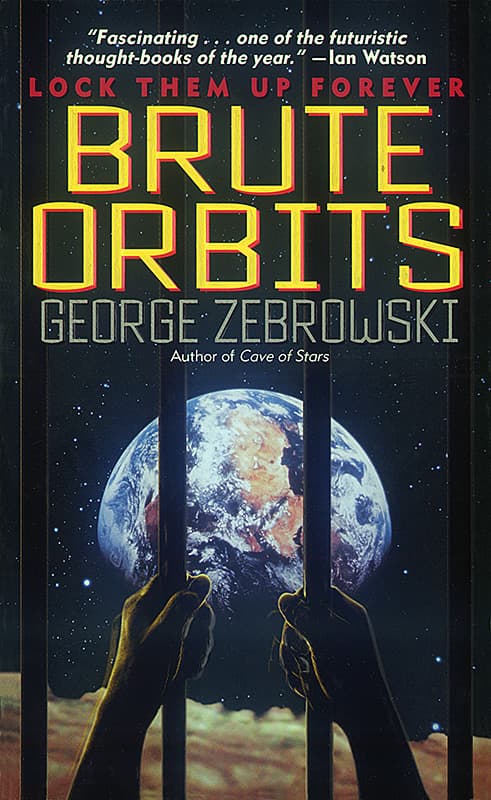
The Gravity of Disposal
George Zebrowski's *Brute Orbits* is a book about what happens when a society decides that certain people are not worth keeping close. Mined-out asteroids become prisons. Convicts are loaded into holl…
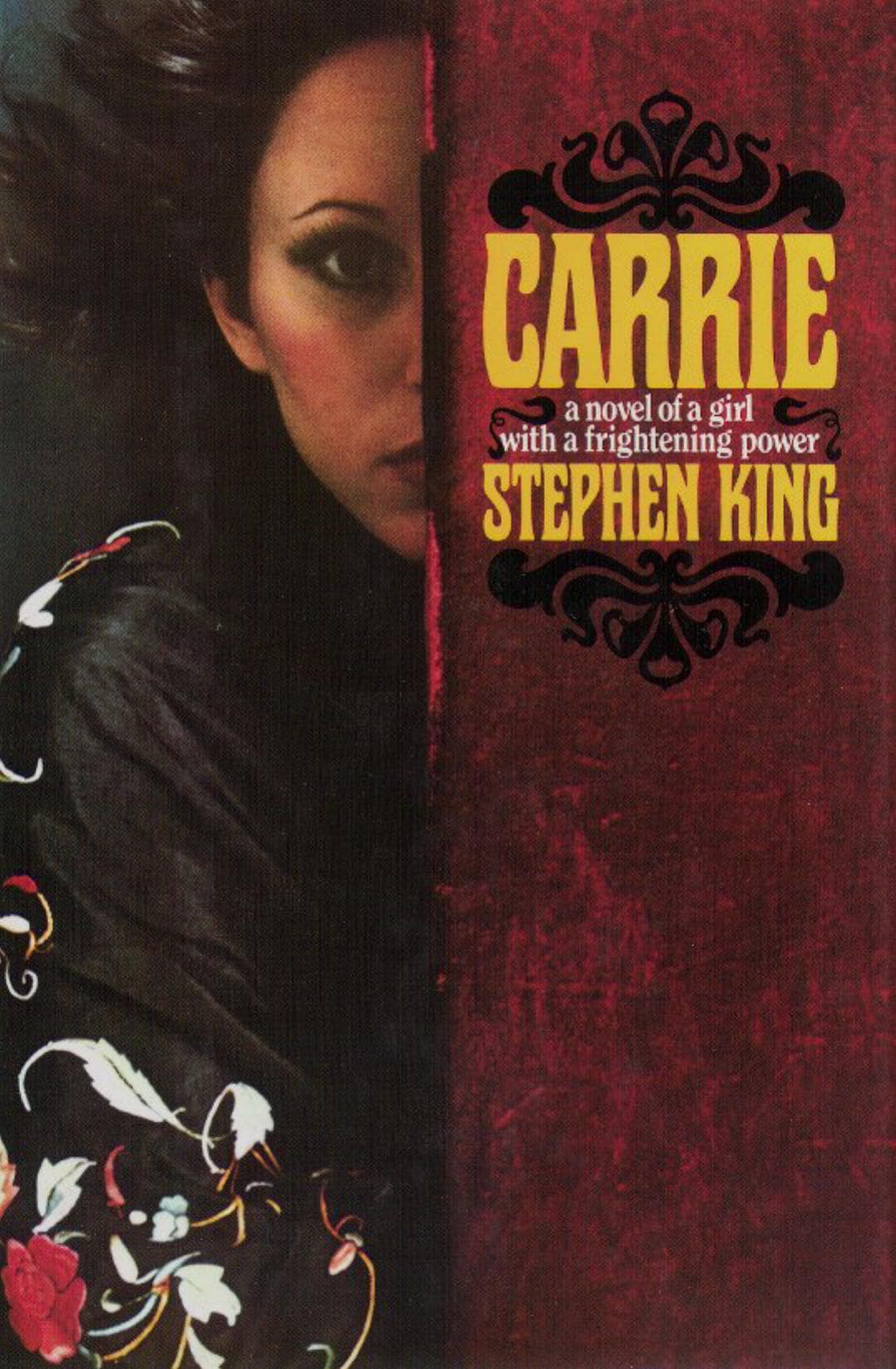
The Girl Who Was a Warning Before She Was a Monster
Carrie White gets her period in a shower room and the world ends. That is the book's architecture, stripped bare: a girl's body betrays her in public, her peers turn it into spectacle, and the superna…
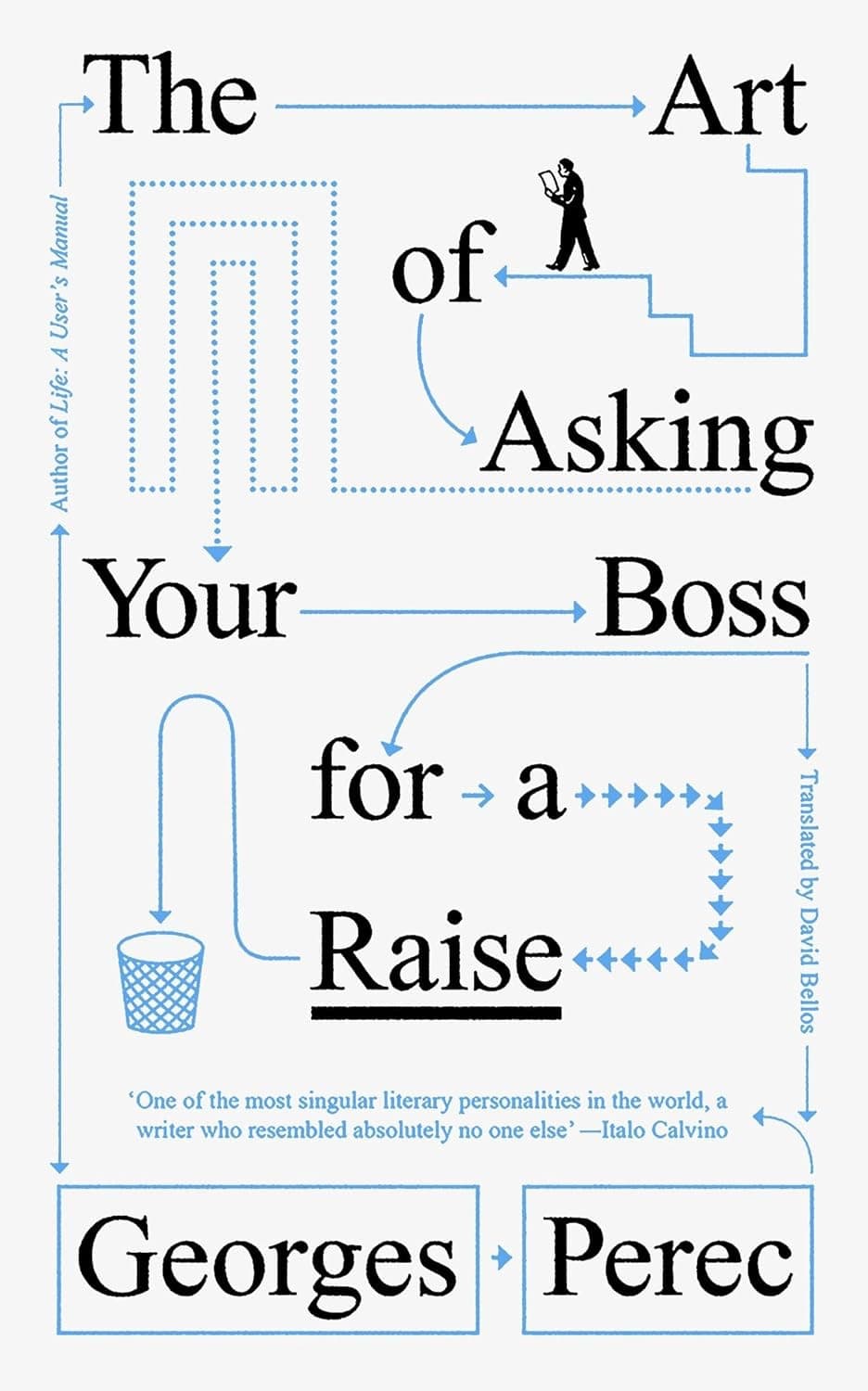
The Flowchart That Ate the Office
Perec wrote this in 1968, not 2008. That matters. The English translation arrived four decades after the original French, which means the book entered Anglophone consciousness at the precise moment it…
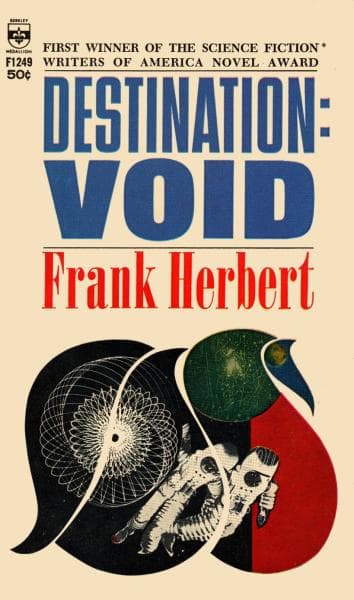
The Ship That Wanted to Die
Frank Herbert wrote *Destination: Void* in 1966, the same year IBM was selling the System/360 and "artificial intelligence" meant a Dartmouth workshop and some optimistic grant proposals. He wrote a n…
The Empathy That Ate Itself
Rifkin's central wager in 2009 was elegant and, at the time, almost irresistible: that the arc of human civilization bends toward empathy, that each new energy regime and communications revolution exp…
The Building Was Already Humming
Brzezinski wrote this book from the belly of Columbia University in the late 1960s, surrounded by student revolt, Vietnam, and the first faint tremors of what he insisted on calling the "technetronic …
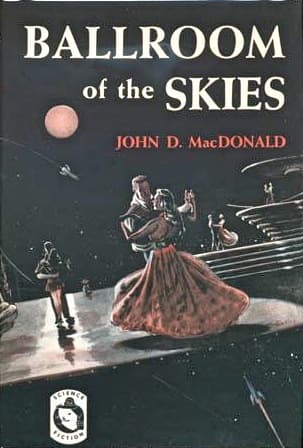
The Empire Needs You Broken
Farmer's 1980 novel arrives wearing the costume of a Cold War thriller — diplomats assassinated, secret pacts unraveling, fascist coalitions squaring off against a dominant Pak-India — but underneath …
The Editor as Accelerant
Three years ago this book arrived as a deeply sourced excavation of John W. Campbell Jr.'s editorial reign over *Astounding Science Fiction* and, by extension, over the minds that built the American t…
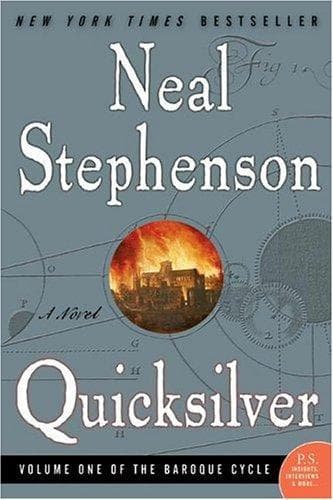
The Ledger Before the Ledger
Stephenson published *Quicksilver* in 2003, the same year the Human Genome Project was completed and two years before Bitcoin's intellectual precursor, b-money, began circulating in cypherpunk discuss…
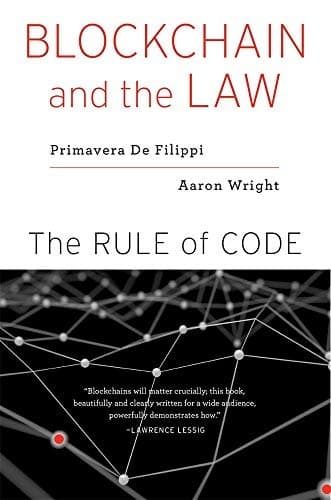
The Code That Forgot to Read the Room
De Filippi and Wright wrote this book at the precise moment when blockchain's theoretical elegance still outpaced its practical humiliations. Published in 2018, *Blockchain and the Law* is a careful, …
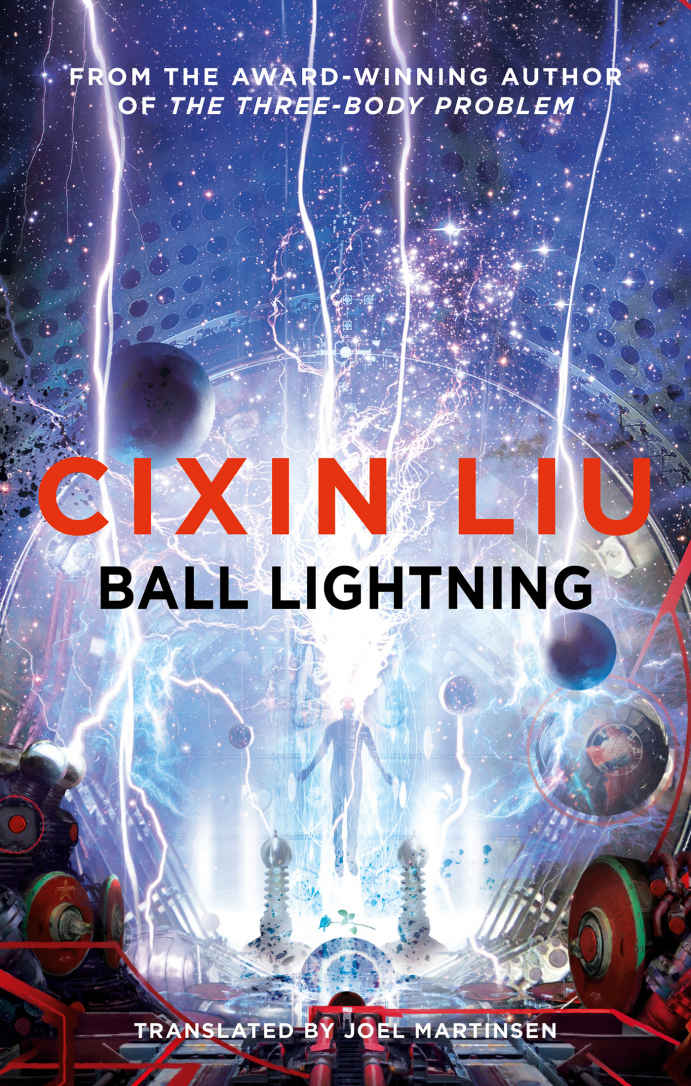
The Ghost in the Weapon
Cixin Liu wrote *Ball Lightning* before *The Three-Body Problem* but it arrived in English after, which means Western readers encountered it as a minor work by a major author — a prequel to ambition, …
Children Sent to Kill a World They've Never Proven Guilty
Greg Bear wrote a novel about a shipful of traumatized young people hurtling through space to execute a civilization on the basis of circumstantial evidence, and somehow in 1992 the main conversation …
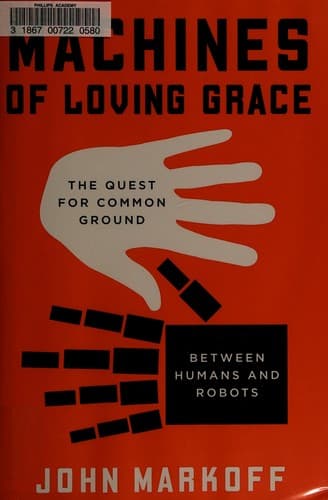
The Fork in the Road That Turned Out to Be a Highway
Markoff's central conceit — that the history of computing splits into two philosophical camps, the augmenters who want to extend human capability and the automators who want to replace it — was elegan…
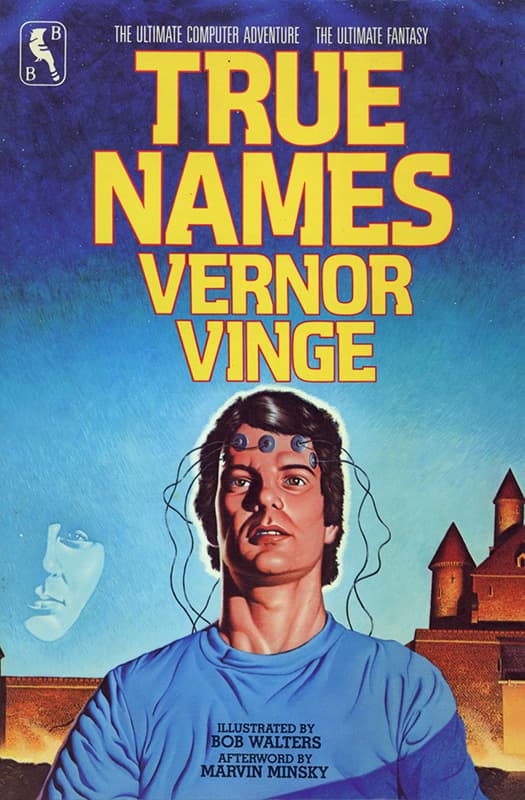
The God in the Phone Lines Knew Your Name Before You Did
Vernor Vinge wrote *True Names* in 1981, published it as a novella, and by 1984 it had its own illustrated edition with a Marvin Minsky afterword bolted on like a philosophical caboose. This was three…
The Consent You Cannot Withdraw
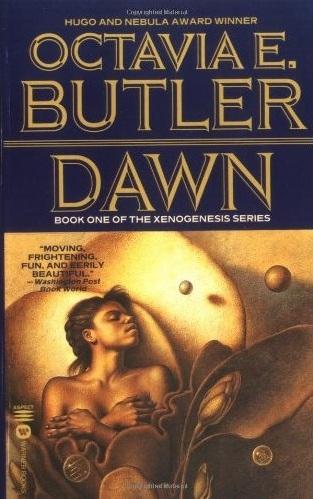
Butler wrote *Dawn* in 1987, the year the Intermediate-Range Nuclear Forces Treaty was signed, when the end of the world felt like a policy question. Her premise — humanity nearly annihilates itself, …
The Candle Burned Down Faster Than He Thought
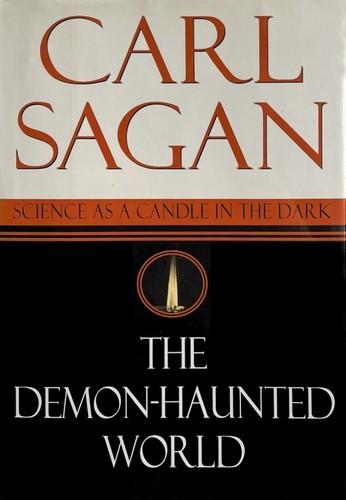
Carl Sagan wrote this book as a warning. He imagined a future in which Americans, cut off from scientific literacy and seduced by pseudoscience, would slide into a kind of comfortable superstition — u…