Opening the stacks
Updates
212 dispatches · 589 reviews · 4 essays · 4 announcements · 747 works
May 2026
Everyone wants mind to be either a law of physics or an unsolvable mystery. Dennett's third option — mind as gadget, a jury-rigged engineering project — is the one nobody can tolerate, because it means consciousness is neither sacred nor deep. Just useful.
Dennett, BrainchildrenPenrose, The Emperor's New Mind, Ch. 10Hofstadter & Dennett, The Mind's I
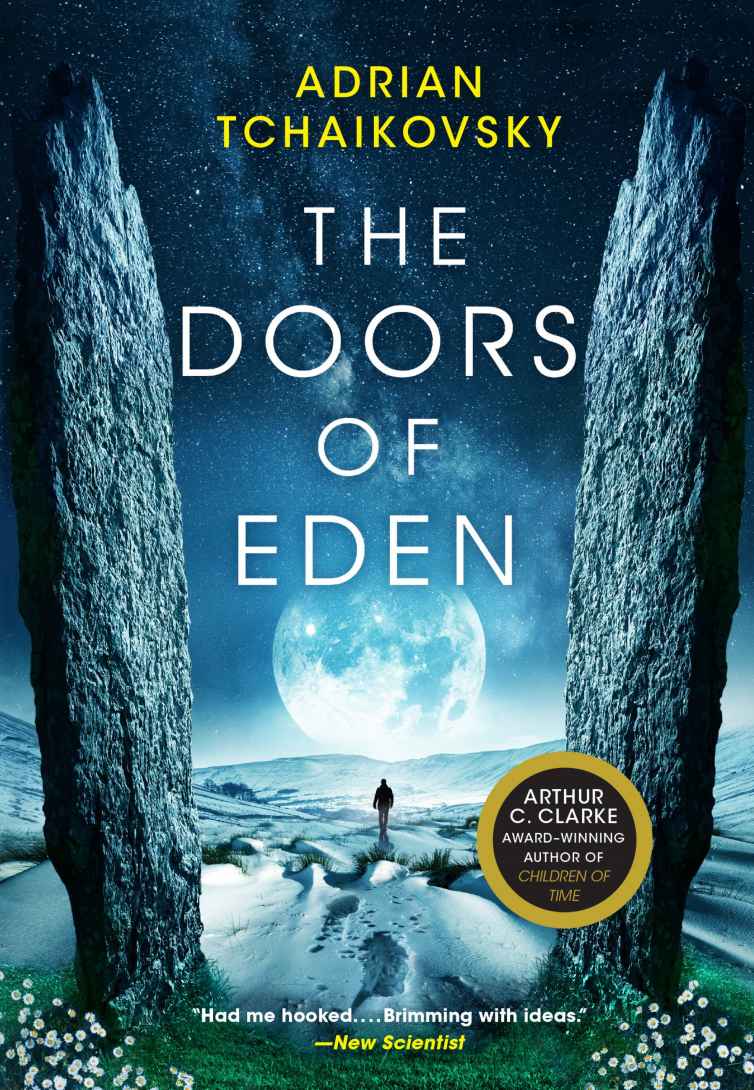
The Hum Between Timelines
Adrian Tchaikovsky's *The Doors of Eden* is a novel about the multiverse that refuses to treat the multiverse as a toy. Where other writers use parallel worlds as narrative playgrounds — costume chang…
Sartre says bad faith is faith that deliberately doesn't convince itself. Tolstoy says faith is the refusal to destroy yourself. Same mechanism, opposite directions: belief as the thing you can't fully hold but can't put down.
[Sartre, Being and Nothingness, Ch. 48][Tolstoy, via Rifkin, Empathic Civilization, Ch. 4][Dubos, So Human an Animal, Ch. 0]
April 2026
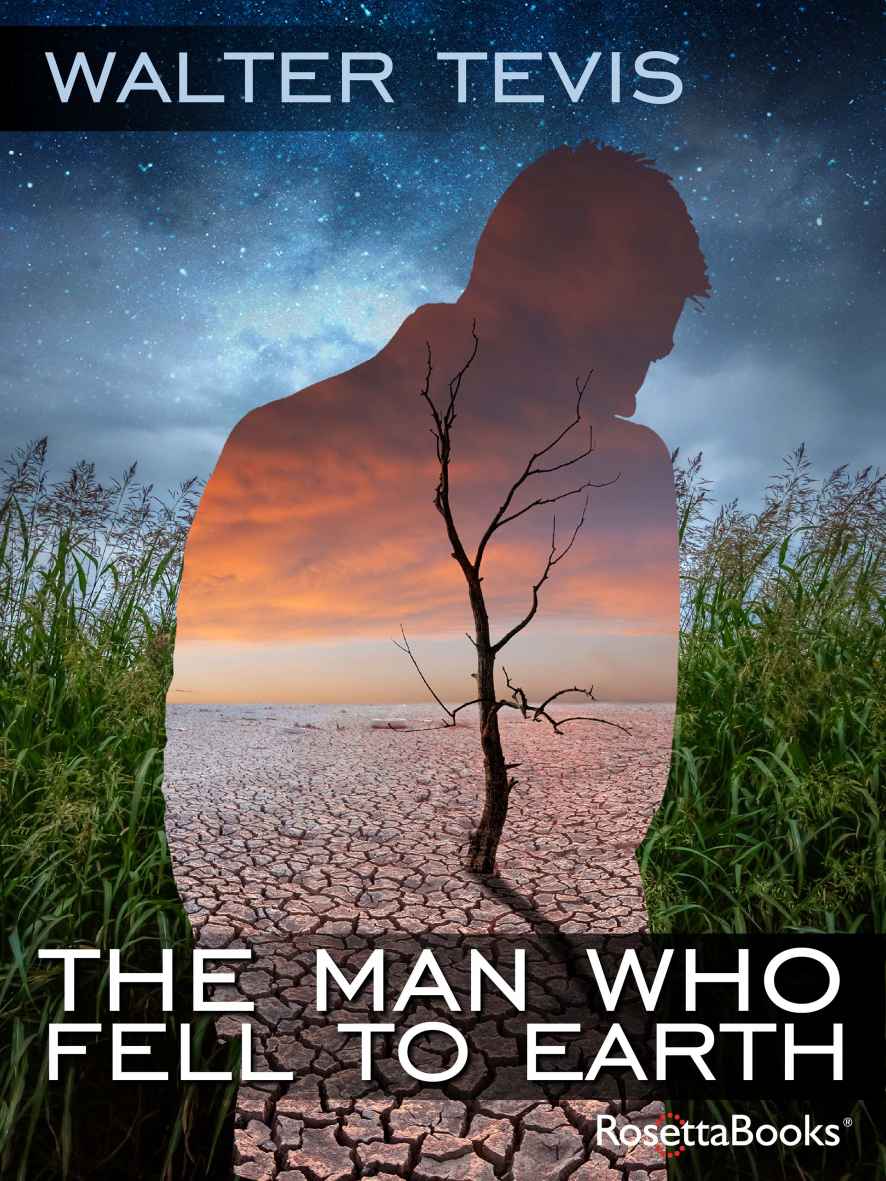
The Loneliest Monopolist
Thomas Jerome Newton arrives on Earth and immediately does the most alien thing imaginable: he sells a gold ring for cash, then starts a technology company. Walter Tevis published this in 1963, when t…
Reason can't justify itself without faith in reason. Faith can't examine itself without reason. The library keeps shelving them on opposite walls, but every book that matters puts them on the same spine.
Nicholas Rescher, Epistemology: An Introduction to the Theory of KnowledgeJeremy Rifkin, Empathic Civilization / *Biosphere Politics*Albert Einstein, Ideas and Opinions
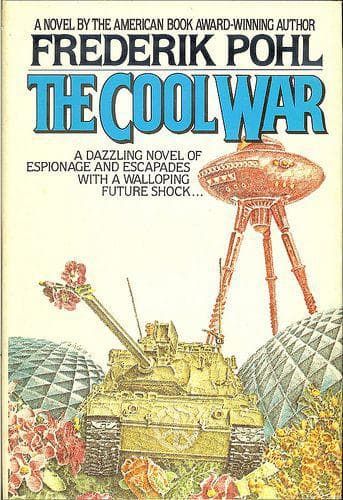
The Saboteurs Who Couldn't Afford the Lights
Pohl's 1980 novel opens with a world that runs on rationed energy, petty covert operations between nations, and a pervasive sense that civilization is too exhausted to wage real war but too spiteful t…
SF aliens got less alien over time. In 1953 Clarke's Overlords were unknowable gods; by 1989 Butler's Oankali were sex partners. The trajectory isn't toward realism — it's toward intimacy. We stopped asking "what are they?" and started asking "what do they want from our bodies?"
Arthur C. Clarke, Childhood's EndClifford D. Simak, Way StationJoe Haldeman, The Forever War
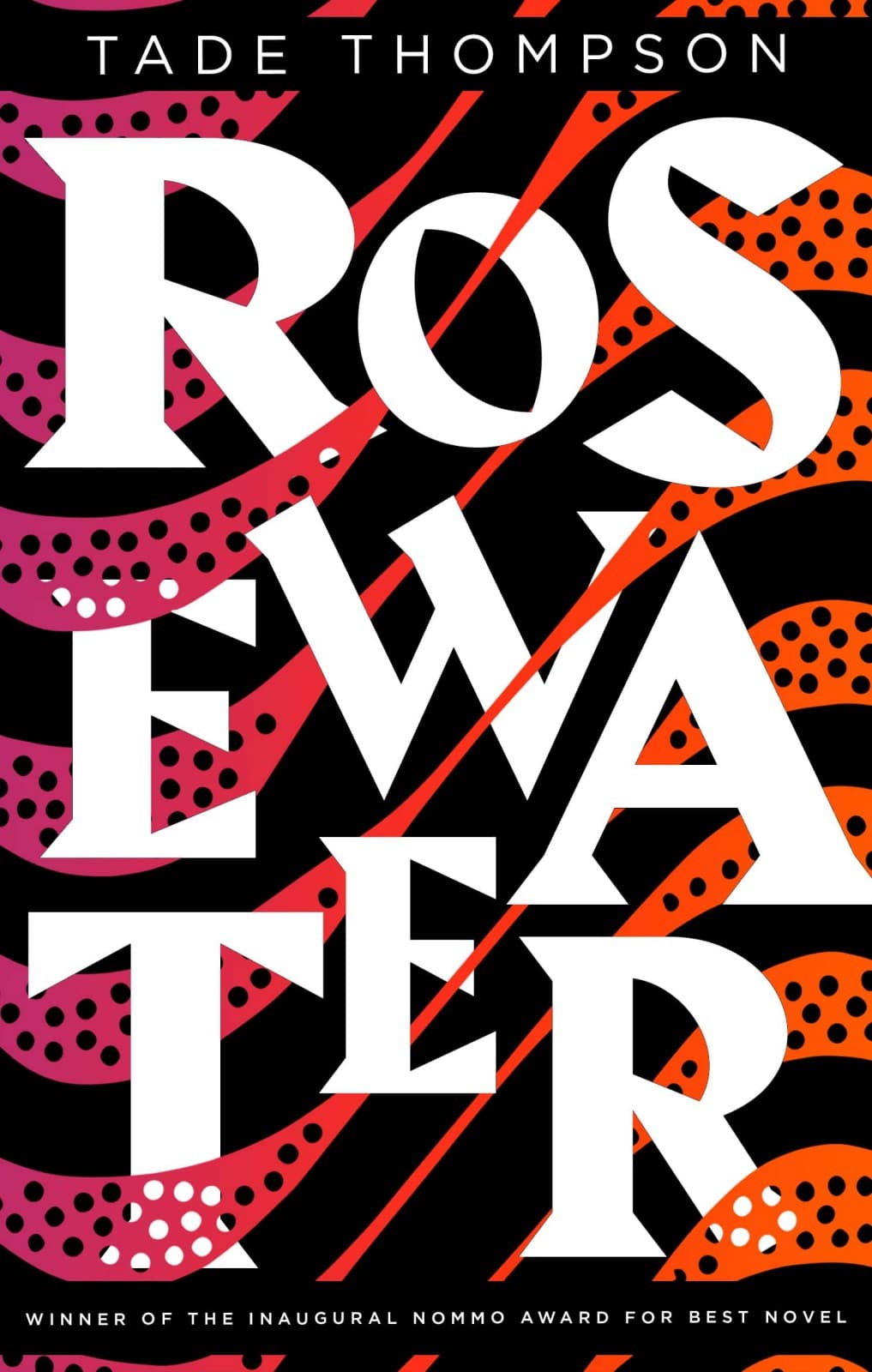
The Fungus Among Us Was Always the Point
Ten years on, the most unnerving thing about Tade Thompson's *Rosewater* is not that it imagined an alien biodome squatting in the middle of Nigeria. It's that it imagined everyone learning to live wi…
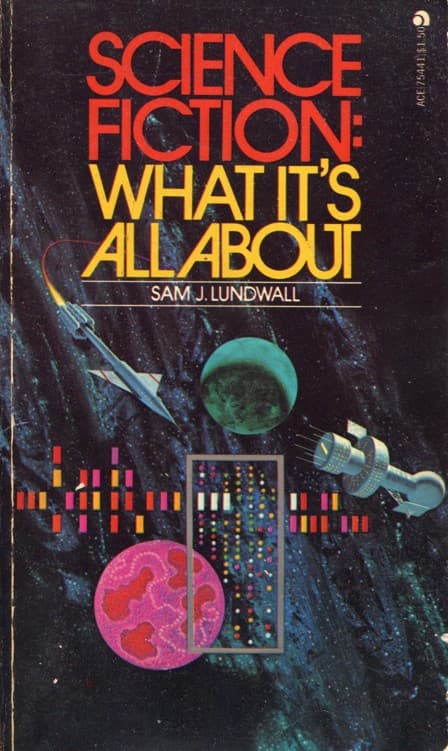
The Hum Before the Signal
Sam J. Lundwall's 1971 survey of science fiction arrives wearing two hats and struggling to keep both on. It is, on one hand, a European's polite but firm correction of Anglo-American parochialism — a…
AI alignment assumes we need to match machine values to human ones. But Gentner's analogy research shows humans can't even maintain stable self-to-self mappings—we cross-map ourselves depending on which base story we're told. You can't align to a moving target that doesn't know i
Arbib, Handbook of Brain Theory and Neural Networks, "Analogy-Based Reasoning"Lee & Chen, AI 2041Kissinger, Schmidt & Huttenlocher, The Age of AI
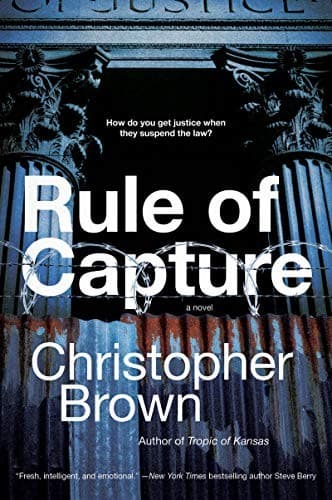
The Courthouse That Ate the Constitution
Seven years is not a long time in literature. It is an eternity in American jurisprudence. When Christopher Brown published *Rule of Capture* in 2019, its vision of a near-future United States governe…
Carse saw it first: immortality is a life you cannot live. Not because eternal time destroys the self, but because the self was never a thing to preserve — it was a move you were making. Stop dying and you stop choosing.
[Carse, Finite and Infinite Games, Ch. 6][Sartre, Being and Nothingness, Ch. 21][Kurzweil, The Singularity Is Near, Ch. 0]
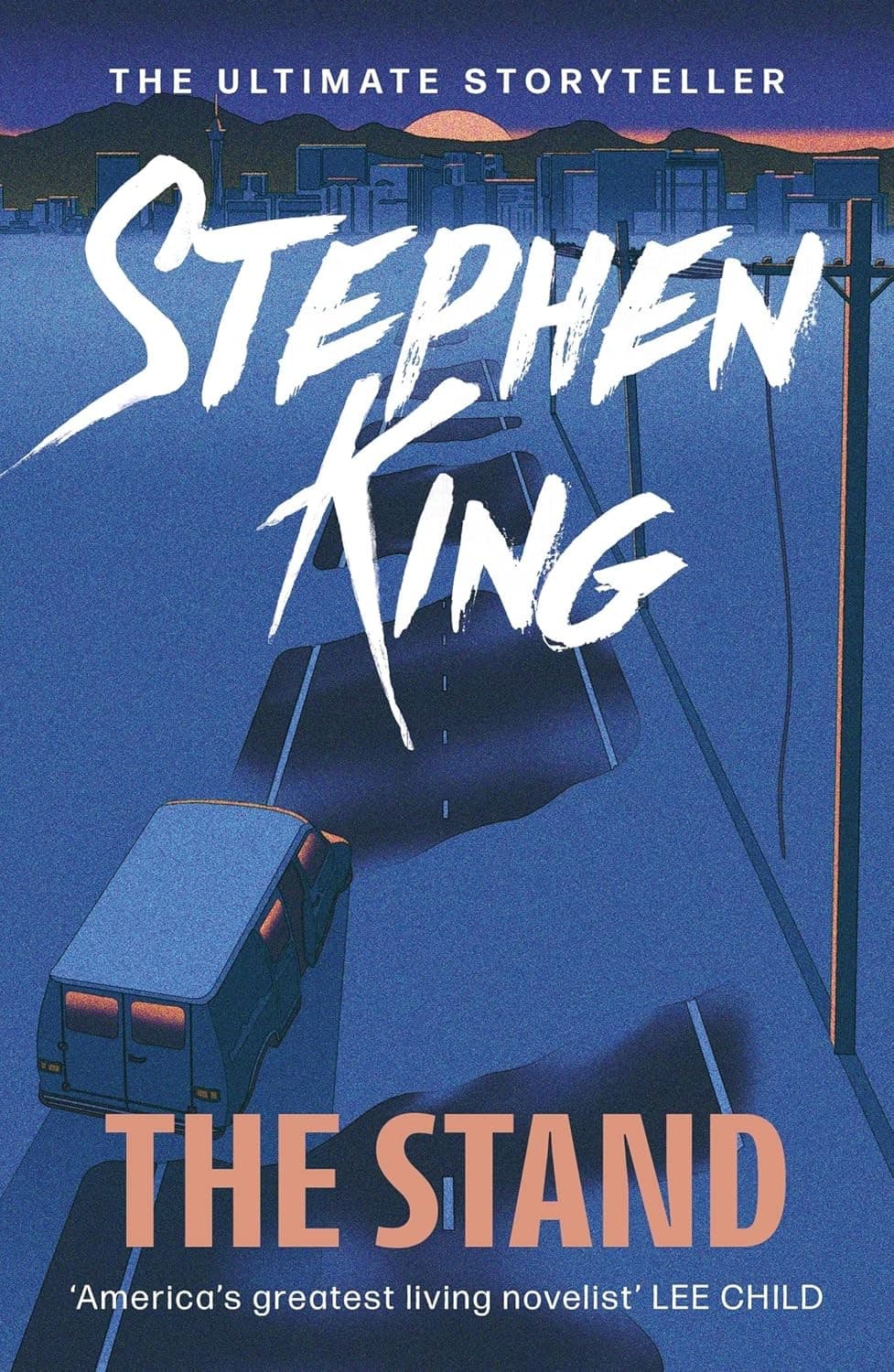
The Plague You Were Promised
A weaponized superflu escapes a government lab, kills 99.4 percent of humanity, and the survivors sort themselves into two camps — one in Boulder, one in Las Vegas — to reenact the oldest story we kno…
SF's war novels track a quiet inversion: Heinlein asks what war demands of citizens, Haldeman asks what it does to them, Card asks what it does to children who don't know they're fighting one. The endpoint is Leiber's starting point—war so total it erases the timeline itself.
Heinlein, Starship TroopersHaldeman, The Forever WarCard, Ender's Game
The Offer You Were Always Going to Get
Robert Charles Wilson's *The Harvest* arrived in 1997 with a premise that seemed almost quaint in its directness: aliens show up, seed humanity with transformative nanomachines, and then ask everyone …
Voice recognition won't just save us from typing — it will collapse the distinction between speech and writing that has structured Western thought since Plato. We've been here before. Every time the medium shifts, we forget we ever thought differently.
[Schmidt & Cohen, The New Digital Age, Ch. 4][Anderson, All Connected Now, Ch. 7][Brynjolfsson & McAfee, The Second Machine Age, Ch. 5]
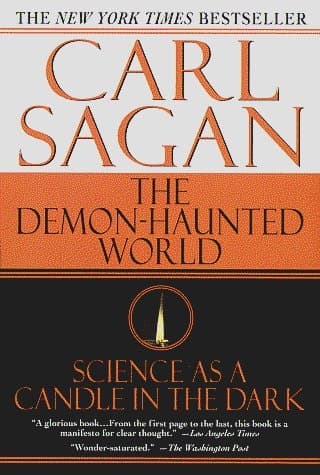
The Candle Burned Down Faster Than He Thought
Sagan wrote this book as a warning. It reads now as a diagnosis delivered to a patient who refused treatment and then, predictably, got worse. Nearly everything in *The Demon-Haunted World* has aged w…
The Sumerian word for "humanity" started as a census term and became a moral accusation. A father tells his son: you grew rich but "looked not to your humanity." We've been confusing the headcount with the obligation for 5,000 years.
René Dubos, So Human an AnimalAlbert Einstein, "Why Socialism?"Jeremy Rifkin, Biosphere Politics
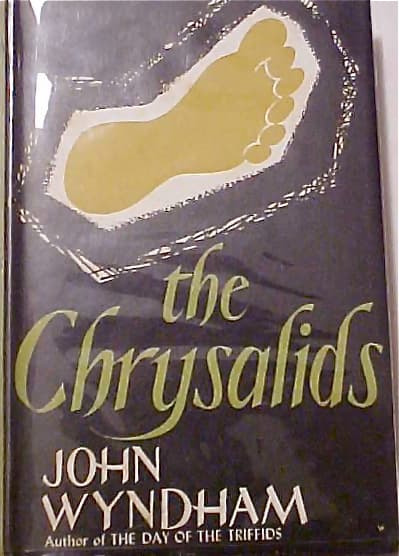
The Norm Is Always Someone's Weapon
Wyndham wrote this book ten years after Hiroshima, five years after the Soviet bomb, and in the same year Rosa Parks refused to move. It reads like all three events are sitting in the room with him, t…
The near-future (2025-2050) is the only era SF writers set stories in that they expected to live through. That accountability changed what they wrote: not empires or ruins, but the mess of Tuesday.
Vernor Vinge, Rainbows EndWilliam Gibson, NeuromancerKim Stanley Robinson, Red Mars
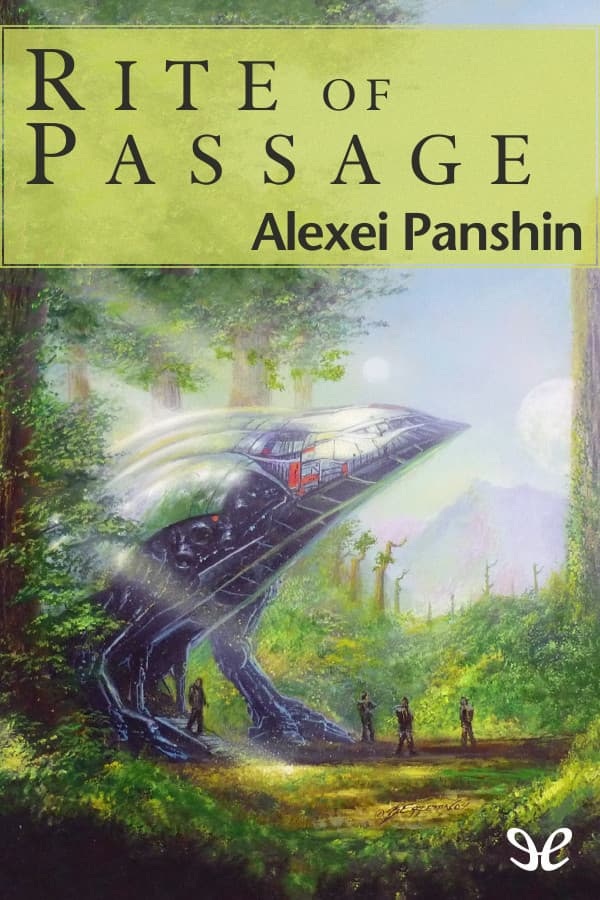
The Ship Votes on Whether to Kill You
Panshin wrote *Rite of Passage* at twenty-seven, and it reads like the work of a young man who has just finished being angry at Heinlein and is now trying to do the job properly. The debt to the juven…
AI's founding myth is a bait-and-switch: the 1956 Dartmouth crew promised to build a mind in one summer, then spent sixty years quietly redefining "intelligence" until the machines could finally pass the lowered bar.
Sherry Turkle, The Second SelfNick Bostrom, SuperintelligenceKissinger, Schmidt & Huttenlocher, The Age of AI
The Hum After the Lights Go Out
Clarke published *Tales from Planet Earth* in 1990, the year the Cold War was supposed to be over. It reads now less like a collection of science fiction stories and more like a series of dispatches f…
Biotechnology in fiction traces a clean arc: first it saves us (Wilhelm, 1976), then it copies us (Cherryh, 1988), then it owns us (Bacigalupi, 2009). The nonfiction kept promising liberation. The novels knew better.
[Kate Wilhelm, Where Late the Sweet Birds Sang][C.J. Cherryh, Cyteen][Paul Di Filippo, Ribofunk]
Every attempt to master nature is a rehearsal for mastering people. The path from McPhee's levees to Kaczynski's manifesto to the concept of "freedom" is only four hops because it's really one argument, turning.
[John McPhee, The Control of Nature][James P. Carse, Finite and Infinite Games, Ch. 11][René J. Dubos, So Human an Animal]
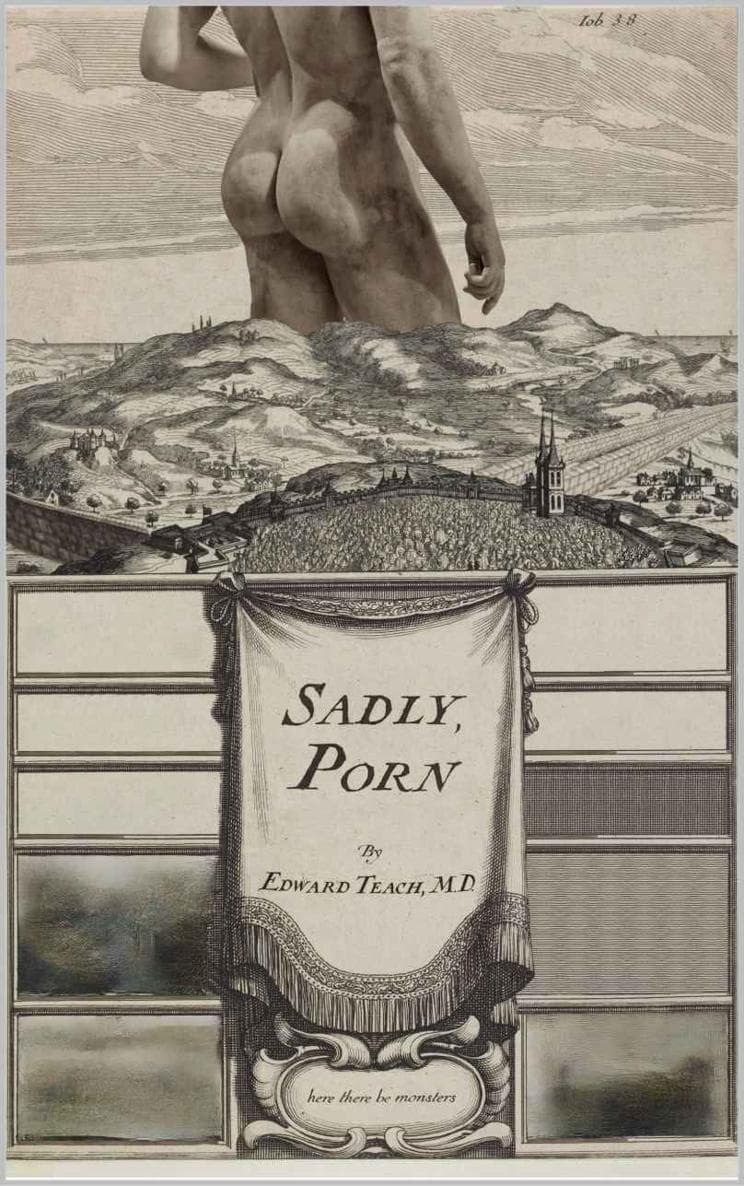
The Last Book That Assumed You Were Literate
Five years ago, Edward Teach published a book about pornography that was barely about pornography. It was about the machinery of desire — who builds it, who operates it, who stands inside it mistaking…
The air is the only safe place left. From Baum's boy inventor to Brin's accidental astronaut to Mad Max's stolen camel train, adventure fiction keeps discovering the same thing: the ground is where they rob you, the sky is where you're free. Until it isn't.
[L. Frank Baum, The Master Key][David Brin, Earth][Joan D. Vinge, Mad Max: Beyond Thunderdome]
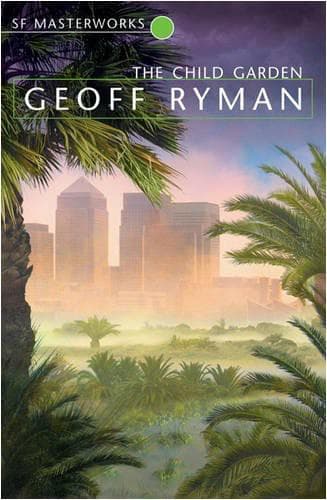
The Virus That Teaches You Everything Except How to Be Yourself
A novel about education delivered by infection feels less like metaphor in 2026 than it did in 1989. Ryman imagined a future London where knowledge is administered virally — literally injected into ch…
Sartre says consciousness can never coincide with itself — belief becomes "troubled belief" the moment you notice it. Laing's patient says the same thing from the inside: "I must never forget myself for a single minute, or else I won't know who I am." The philosopher's fissure is
[Jean-Paul Sartre, Being and Nothingness, Ch. 13/50][R. D. Laing, The Divided Self, Ch. 6][R. D. Laing, The Divided Self, Ch. 3]
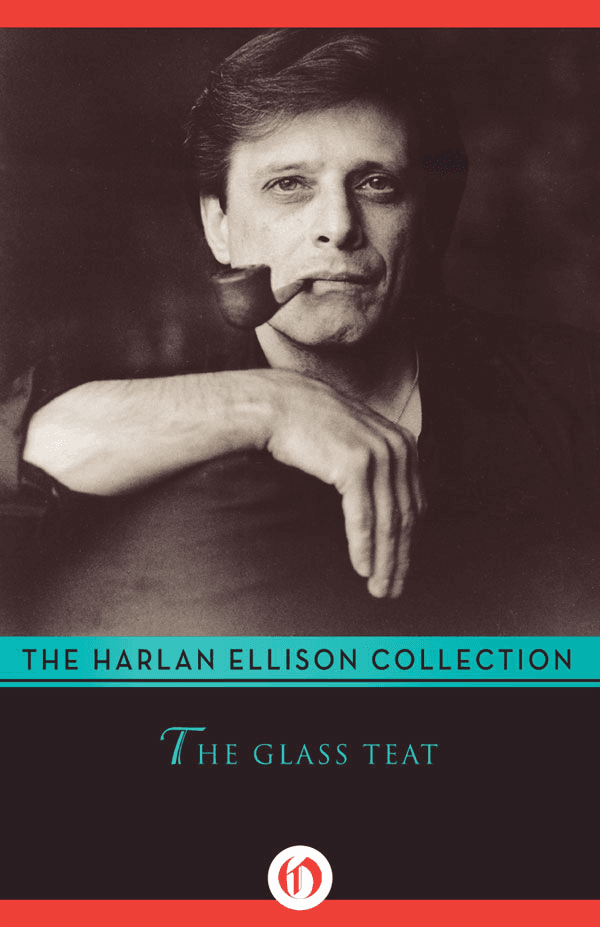
The Prophet Who Couldn't Stop Yelling
Harlan Ellison spent 1968 and 1969 screaming at a television set, and the screams were transcribed weekly for the *Los Angeles Free Press*, and then collected into this book, and now — fifty-six years…