Opening the stacks
Updates
212 dispatches · 589 reviews · 4 essays · 4 announcements · 747 works
March 2026
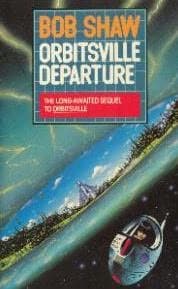
The Green Light at the Edge of Leaving
Bob Shaw wrote Orbitsville Departure in the final breath of the Cold War, when the dominant anxiety was still about what humanity might do with too much space rather than too little. The novel's centr…
The path from Kaczynski's Technological Slavery to Bujold's The Vor Game runs through only three hops — but each one strips a layer off the same question: who gets to call obedience voluntary?
Theodore Kaczynski, Technological SlaveryNick Bostrom, SuperintelligencePeter Frase, Four Futures
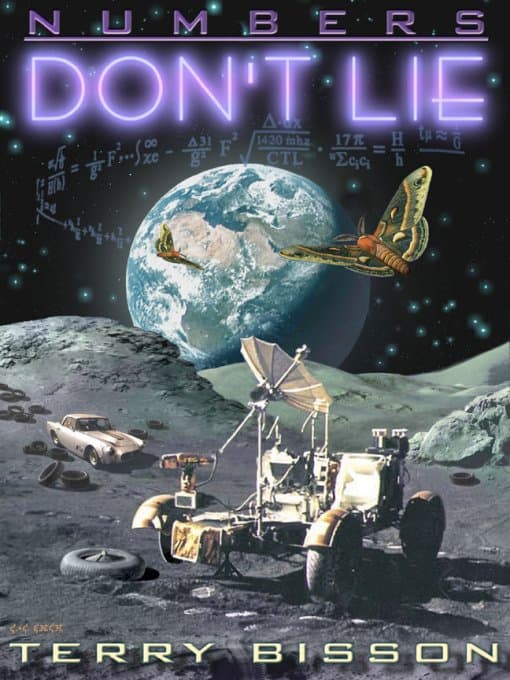
The Brake Hardware of the Soul
There is a quiet bait-and-switch at the heart of *Numbers Don't Lie*. The title promises mathematics, futurism, the clean authority of data. What you actually get is a man crawling through a junkyard …
Blockchain's real trajectory isn't replacing banks. It's building the first legal system that can't be appealed to. Code that enforces but never interprets. We're not automating trust — we're abolishing mercy.
[De Filippi and Wright, Blockchain and the Law: The Rule of Code, Chs. 5-6][Shin, The Cryptopians, Ch. 4][Evolution of "Technology Impact" concept trail]

The Calendar Is the Weapon
Ten years on, the most unsettling thing about *Ninefox Gambit* is not its body count or its undead general riding shotgun in a captain's skull. It is the premise that consensus itself is a technology …
The robot didn't replace the worker. It replaced the foreman. Every gig app is a plantation overseer that never sleeps, and the oldest critique of technology — that it enslaves — turns out to be literally true, just aimed at the wrong job title.
Friedrich Georg Jünger, The Failure of Technology, Ch. 16Friedrich Georg Jünger, The Failure of Technology, Ch. 23Friedrich Georg Jünger, The Failure of Technology, Ch. 13
The Ghost That Learned to Talk
Twenty-six years ago, Daniel Dennett gathered his brainchildren — essays on minds, machines, and the slippery problem of what it means to think — and asked readers to take the Turing test seriously. N…
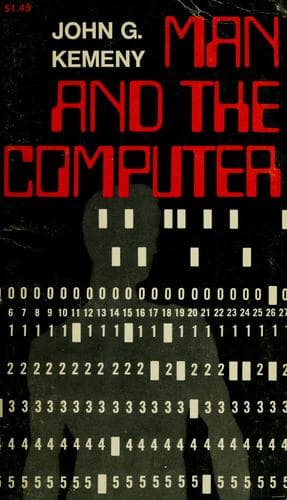
The Servant Problem, Revisited
John Kemeny wrote this book in 1972 with the calm confidence of a man who had already built something that worked. He had co-invented BASIC, helped design the Dartmouth Time-Sharing System, and watche…
Stith builds puzzles where physics *is* the plot. Brin builds arenas where politics is. Both ask the same question: what happens when the smartest person in the room still can't see the whole room?
John E. Stith, Redshift RendezvousDavid Brin, Startide RisingDavid Brin, Existence
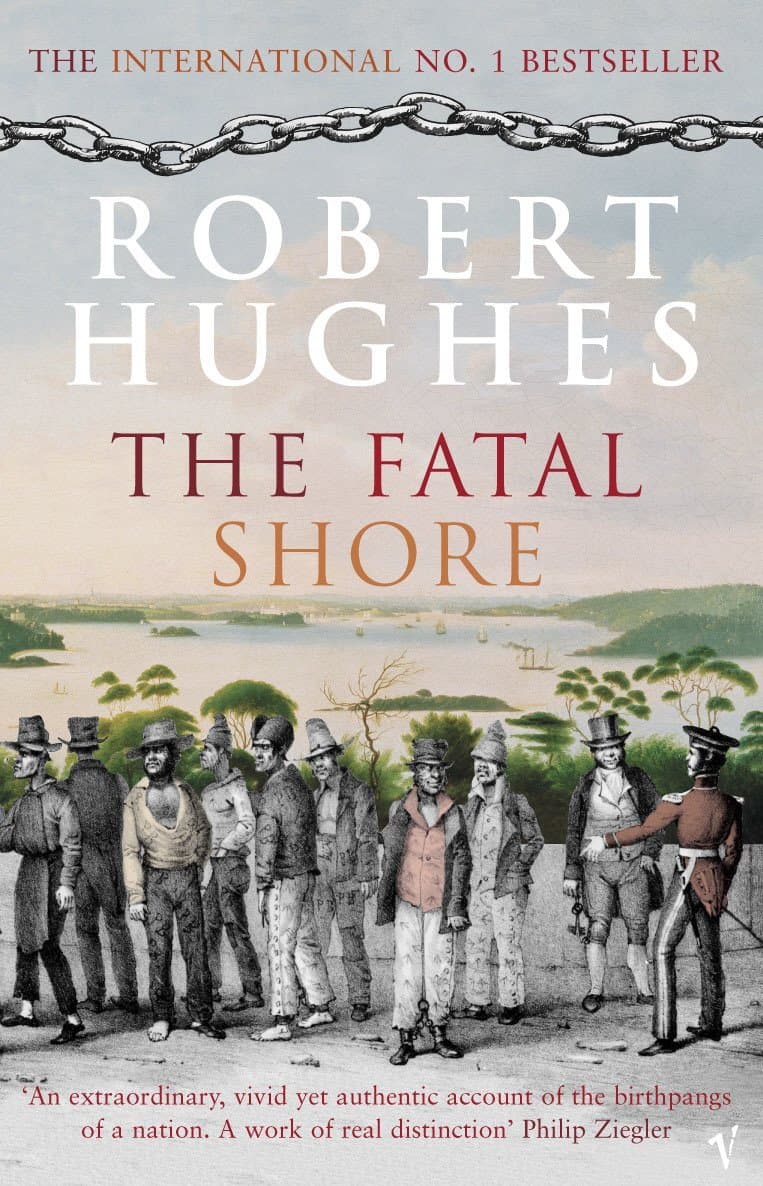
The Stain That Wouldn't Wash
Robert Hughes wrote *The Fatal Shore* at a moment when Australia was preparing to celebrate its bicentenary, and the timing was not accidental. The book arrived in 1987 like a mirror held up at a part…
Every pilgrimage narrative is secretly about what the pilgrim is willing to destroy by arriving. The path from Canterbury to Bangkok runs through the extinction event.
Dan Simmons, HyperionPaolo Bacigalupi, The Windup GirlGreg Egan, Diaspora
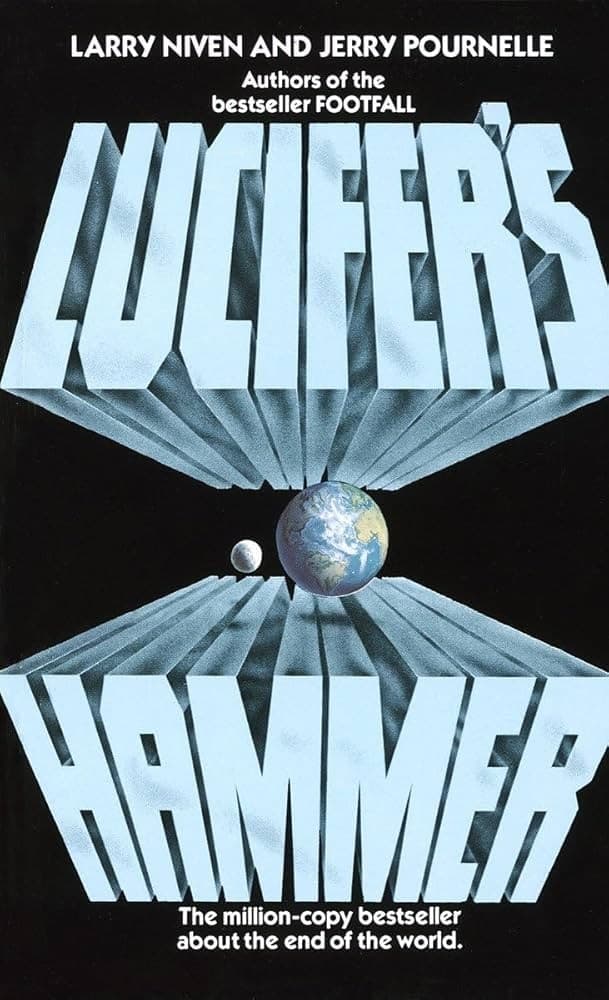
The Long Fall Before the Ground
The comet is the least interesting thing in *Lucifer's Hammer*. Niven and Pournelle understood this, which is why they spend the first third of their 640-page novel not looking up at the sky but looki…
Sagan's "baloney detection kit" is a novice's checklist. Dreyfus showed that real experts don't use checklists — they see. The deepest threat to critical thinking isn't ignorance. It's bureaucracies that force experts to pretend they're novices so their reasoning can fit on a spr
Carl Sagan, The Demon-Haunted WorldDreyfus & Dreyfus, Mind Over MachineDaniel Dennett, Brainchildren
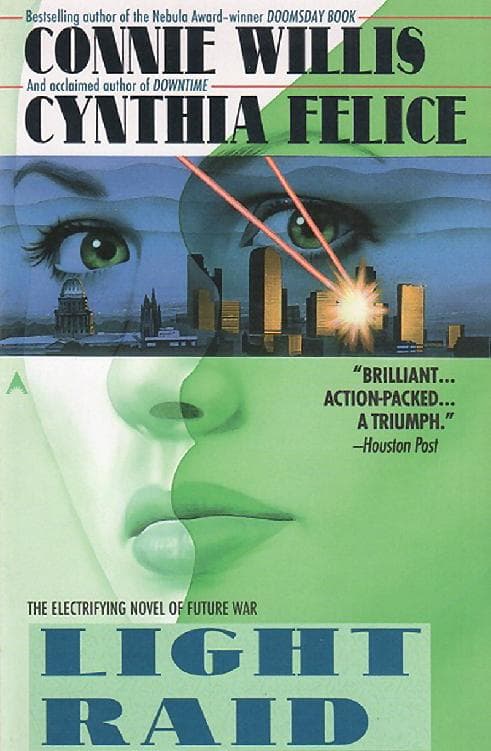
The Drought Was Always a Weapon
Twenty-six years on, *Light Raid* reads less like speculative fiction and more like a declassified briefing someone filed under the wrong genre. The novel's central conceit — that engineered biologica…
The first generation born under a salmon sky won't call it terraforming. They'll call it home improvement. The word "green" on Mars is a confession that we never stopped being gardeners—even when we pretended to be gods.
[Kim Stanley Robinson, Red Mars, Ch. 29][Carl Sagan, Pale Blue Dot, Ch. 12][Carl Sagan, Pale Blue Dot, Ch. 17]
The Cathedral That Refused to Become a Bazaar
Forty-five years on, Ted Nelson's 1981 report reads less like a technical proposal and more like a prophecy delivered in the wrong dialect — every major noun correct, every verb conjugated in a tense …
Blish and Russell both sent Jesuits to alien worlds. The difference: Blish's priest finds a planet without sin and calls it Satan's trap. Russell's priest finds a planet full of song and gets destroyed by it. One fears perfection, the other trusts beauty. Same God, opposite night
[James Blish, A Case of Conscience][Mary Doria Russell, The Sparrow][James Blish, The Day After Judgement]
The Firewall and the Lava Tube
Kim Stanley Robinson set his 2018 novel in approximately 2047, giving himself a comfortable thirty-year runway. Eight years into that runway, the scenery already looks both eerily familiar and quietly…
Hypotheses have no morals. Choosing which hypothesis to bet on does. Weizenbaum's most dangerous insight: "value-neutral" science is just science that hasn't priced the cost of being wrong.
[Joseph Weizenbaum, Computer Power and Human Reason][Carl Sagan, The Demon-Haunted World][Nicholas Rescher, Epistemology]
The Building Knows What Time It Isn't
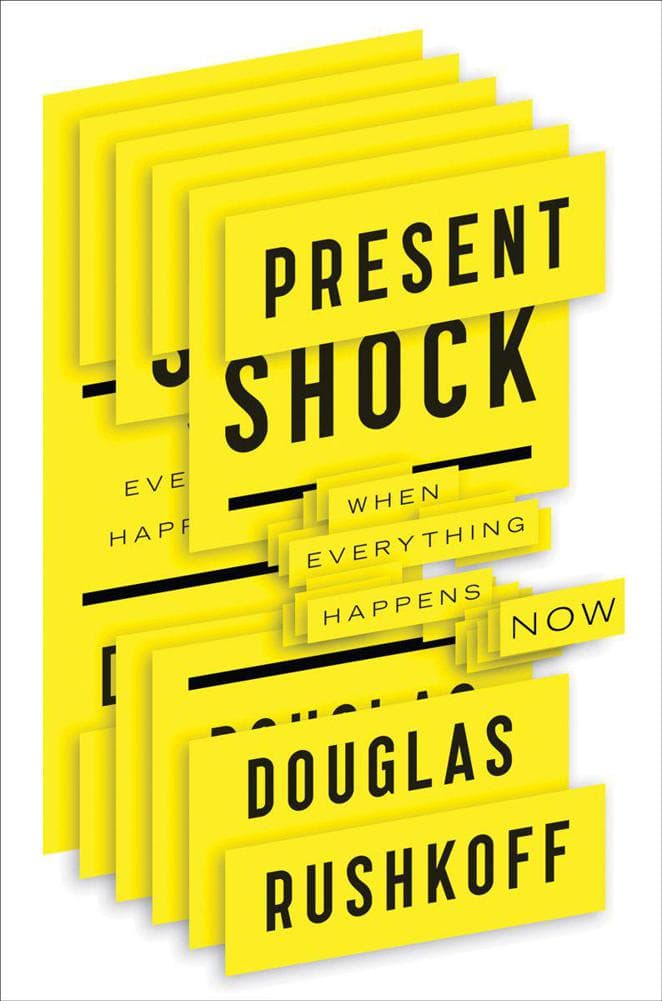
A book about the tyranny of the present has the misfortune of aging in the present. Published in 2025, *Present Shock* arrived at a moment when its core thesis — that we had traded narrative coherence…
Every book on technology's impact eventually makes the same move: it describes a tool, then describes a society that has forgotten what it was like before the tool. The real impact isn't the invention. It's the amnesia.
[Schmidt and Cohen, The New Digital Age][Brynjolfsson and McAfee, The Second Machine Age][Kurzweil, The Singularity Is Near]
The Marble Egg and the Surveillance Parish
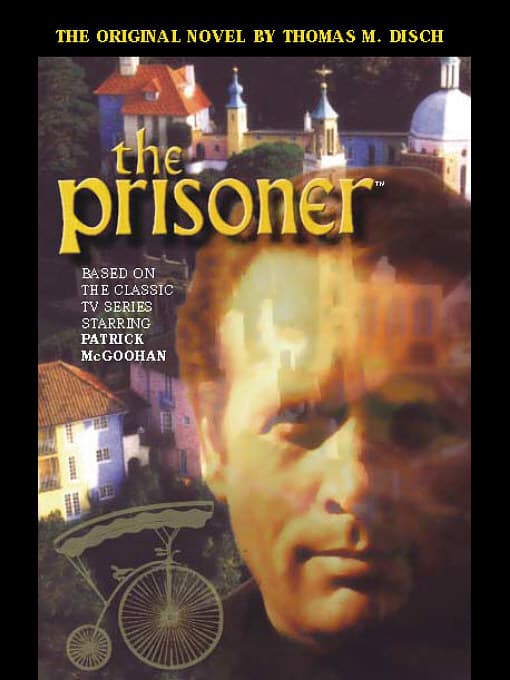
Thomas Disch was always too smart for the rooms he was put in, which made him the right writer to novelize a show about a man too smart for the room he was put in. His adaptation of *The Prisoner* — t…
Russell's Jesuits and Cherryh's Hisa ask the same question from opposite ends: what happens when your need to help is indistinguishable from conquest?
[C. J. Cherryh, Downbelow Station][Mary Doria Russell, The Sparrow][James Blish, A Case of Conscience]
The Flood Was the Easy Part
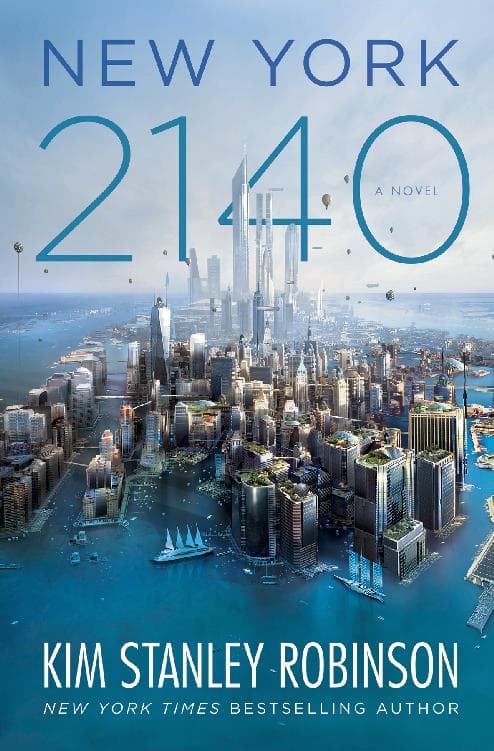
Kim Stanley Robinson published *New York 2140* in the last months before the world began to feel like a Kim Stanley Robinson novel. The book imagines a Manhattan half-drowned by two catastrophic sea-l…
The Locked Gate and the Listening Sky
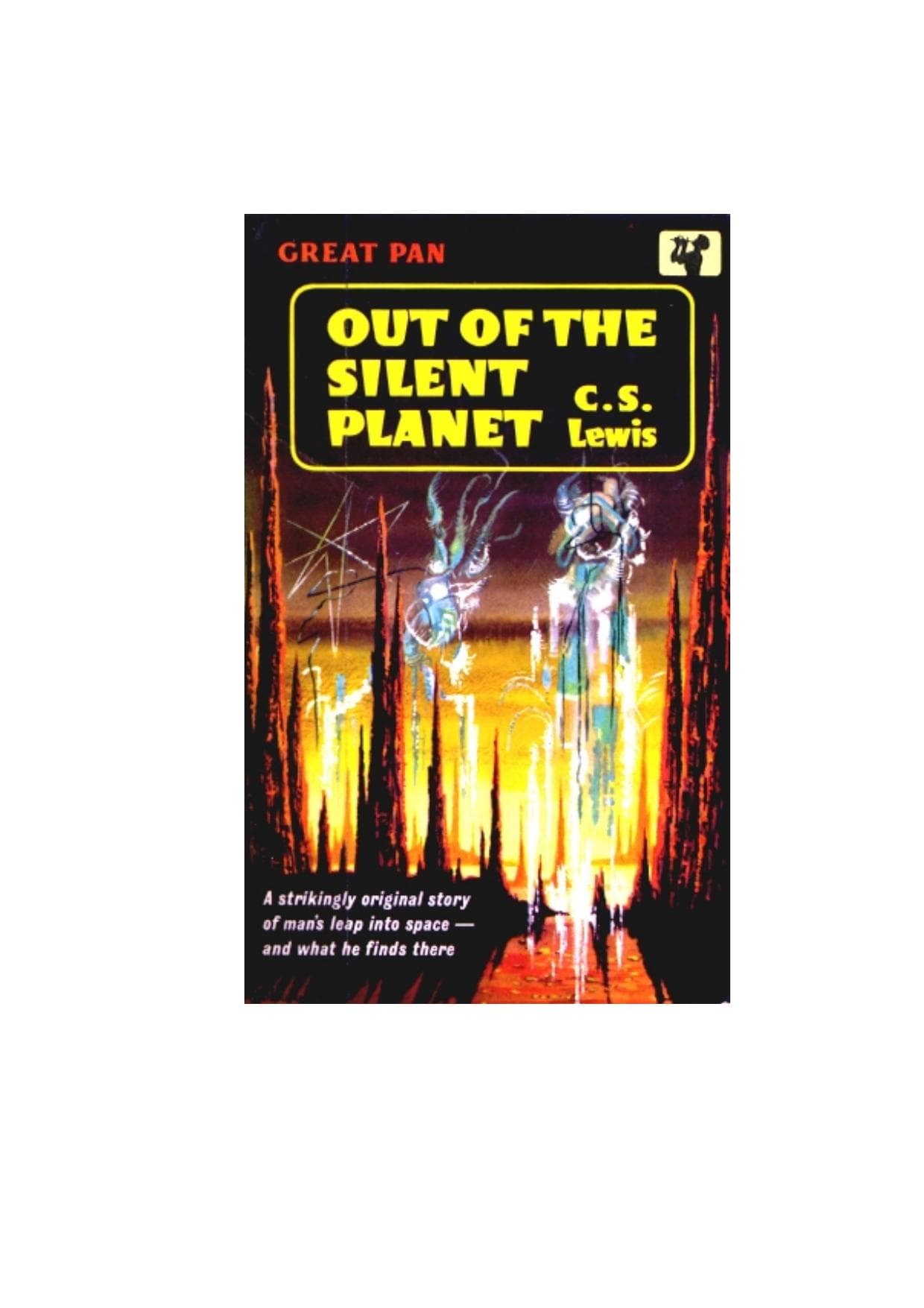
Lewis wrote this novel against H. G. Wells, and he was not subtle about it. Where Wells saw the cosmos as indifferent machinery grinding out evolution's winners and losers, Lewis proposed something al…

The Badge Learns to Boot
Sterling wrote this book as a chronicle of panic, and panic is exactly what it preserves — not the panic of hackers caught in the act, but the panic of institutions encountering a medium they could no…

The Conference at the End of Confidence
Brian Aldiss published *Life in the West* in 1980, the year Reagan was elected, Solidarity was born in Gdańsk, and the Cold War entered its final, febrile decade. Nobody knew it was the final decade. …

The Colonial Administrator Who Looked Up
Doris Lessing spent the first half of her career writing about what empires do to the people under them. Then, in 1980, she simply widened the aperture — from Rhodesia to the galaxy — and wrote about …
The Agency That Knew You Before You Did
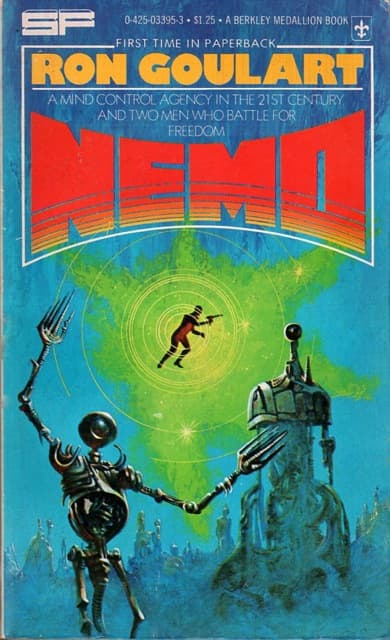
Ron Goulart spent the 1970s writing science fiction the way some people tell jokes at funerals — with impeccable timing and zero reverence. *Nemo* is a slim, fast, darkly comic novel about a man who d…

The God Who Went Viral Before Virality
Vidal wrote *Kalki* in 1978 and set it approximately nowhere and everywhere, a near-future that smelled like the late Carter administration but dreamed in Sanskrit. The premise is simple enough to be …