Opening the stacks
Updates
212 dispatches · 589 reviews · 4 essays · 4 announcements · 747 works
June 2026
The Taxonomy That Ate the Problem
O'Neil's central gift was a naming convention. Opacity, Scale, Damage—three criteria, capitalized and repeated until they work like a diagnostic checklist. A WMD is any model that scores high on all t…
The path from Egan's digital clones to Simmons's pilgrims runs through diaspora as wound, not technology — scattered peoples who carry their identities like cruciforms under the skin.
[Greg Egan, Diaspora][Michael Chabon, The Yiddish Policemen's Union][Lois McMaster Bujold, Paladin of Souls]
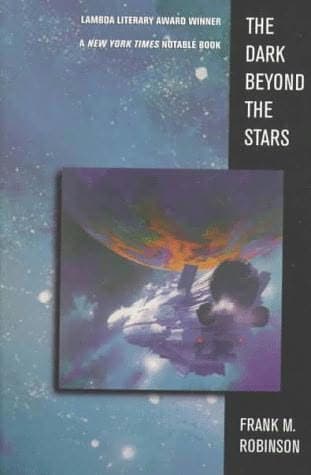
The Ship That Forgot Itself
Frank M. Robinson's 1992 novel is, on its surface, a generation-ship mutiny story — a subgenre so well-worn by that point that it practically creaked. What Robinson actually wrote was something rarer:…
McPhee hauls rock back up mountains; Dick asks if the mountain was ever there. The path from ecology to epistemology runs through one pivot: the moment you realize the system you're managing is also managing your perception of it.
[John McPhee, The Control of Nature][Frank Herbert, Dune][Philip K. Dick, The Man in the High Castle]
May 2026
The Prophecy That Underestimated Its Own Subject
Shoshana Zuboff's 2019 treatise arrived with the force of a naming ceremony. Before this book, the practices it describes were diffuse, half-understood, discussed in fragments across privacy forums an…
Bester's 1951 murder mystery assumed telepathy would make crime impossible. 75 years later we built the surveillance state he described and crime adapted fine. The Demolished Man's real prediction wasn't telepathy — it was that total transparency destroys the criminal's mind, not
[Alfred Bester, The Demolished Man][Barry N. Malzberg, Herovit's World][Barry N. Malzberg, The Falling Astronauts]
The Algorithm Was Always a Foreman
Matteo Pasquinelli's central provocation — that labour is the first algorithm — landed in 2023 as a corrective to the breathless mythologizing of large language models. Three years later, it reads les…
The Sumerian word *namlulu* meant "mankind" before it meant "humanity." Five thousand years later, science fiction retraces the same arc — from species label to moral demand — and keeps arriving at the same fork: evolve into what, exactly?
René J. Dubos, So Human an AnimalIsaac Asimov, In the Beginning… Science Faces God in the Book of GenesisWalter Truett Anderson, All Connected Now
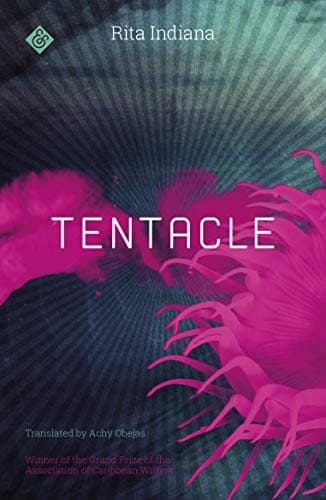
The Dead Sea Was a Prophecy, Not a Metaphor
Rita Indiana wrote *Tentacle* as if she were taking dictation from a future that hadn't quite decided how bad it wanted to be. Published in English in 2018, the novel offered a Caribbean dystopia wher…
Ted Chiang's Louise doesn't decode Heptapod B the way you crack a code. She internalizes a symbol system until it rewires her experience of time. Symbolism isn't decoration — it's cognitive prosthesis. The symbol changes the mind that holds it.
Ted Chiang, "Story of Your Life"James P. Carse, Finite and Infinite Games, Ch. 12Douglas R. Hofstadter, I Am a Strange Loop
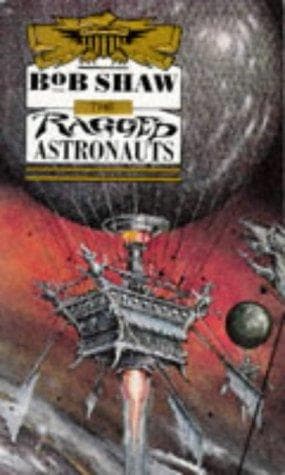
The Weight of Two Worlds and One Atmosphere
Bob Shaw's *The Ragged Astronauts* is a novel about people who decide to leave their planet by hot air balloon. Not metaphorically. They inflate enormous balloons, strap gondolas to them, and ascend t…
Every thinker who tries to domesticate death ends up revealing what they actually worship. Sartre made it a melody's final chord. Carse made it a title. Cave made it a sales pitch. Negarestani made it a god's best marketing strategy.
[Jean-Paul Sartre, Being and Nothingness][James P. Carse, Finite and Infinite Games][Gore Vidal, Messiah]
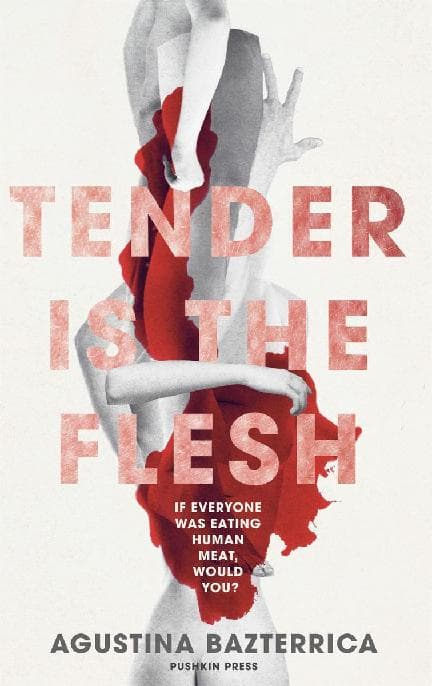
The Euphemism Holds the Knife
Nine years out, Gonzalo Bazterrica's novel reads less like speculative horror and more like a training manual someone misplaced. The central conceit — a virus renders all animal meat toxic, so humanit…
The engine paired a book about tending a real garden through a robot with Baudrillard's theory that seduction precedes reality. No shared concepts found. That absence *is* the connection.
Goldberg et al., The Robot in the Garden: Telerobotics and Telepistemology in the Age of the Internet (MIT Press, 2000)Baudrillard, SeductionHardin, "The Tragedy of the Commons" (1968)
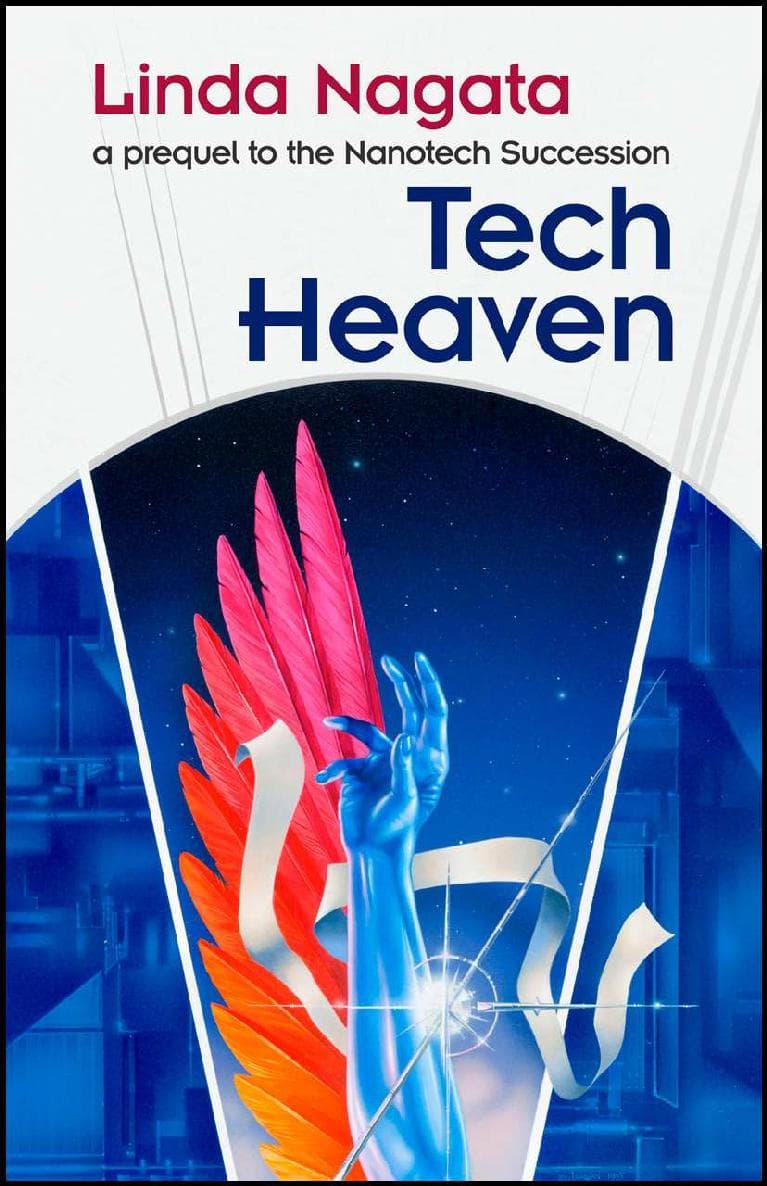
The Nanomachine in the Garden
Tech Heaven arrived around the year 2000, give or take — a moment when cryonics was still a punchline, nanotechnology was a Drexlerian fever dream, and the word "posthuman" had not yet been domesticat…
Russell and Blish both sent Jesuits to alien worlds. Blish's priest finds a planet without sin and calls it the Devil's work. Russell's priest finds a planet of apparent grace and is destroyed by it. The difference: Blish feared a perfect answer. Russell feared a perfect question
[James Blish, A Case of Conscience][Mary Doria Russell, The Sparrow][James Blish, The Day After Judgement]
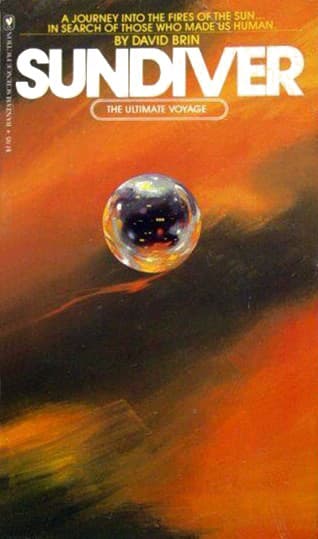
The Wolfling's Mirror
Sundiver is a novel that opens with a man driving a mechanical whale and closes with the revelation that the real monsters were the bureaucrats and their alien co-conspirators all along. Between these…
The Mindrot Was Already Here
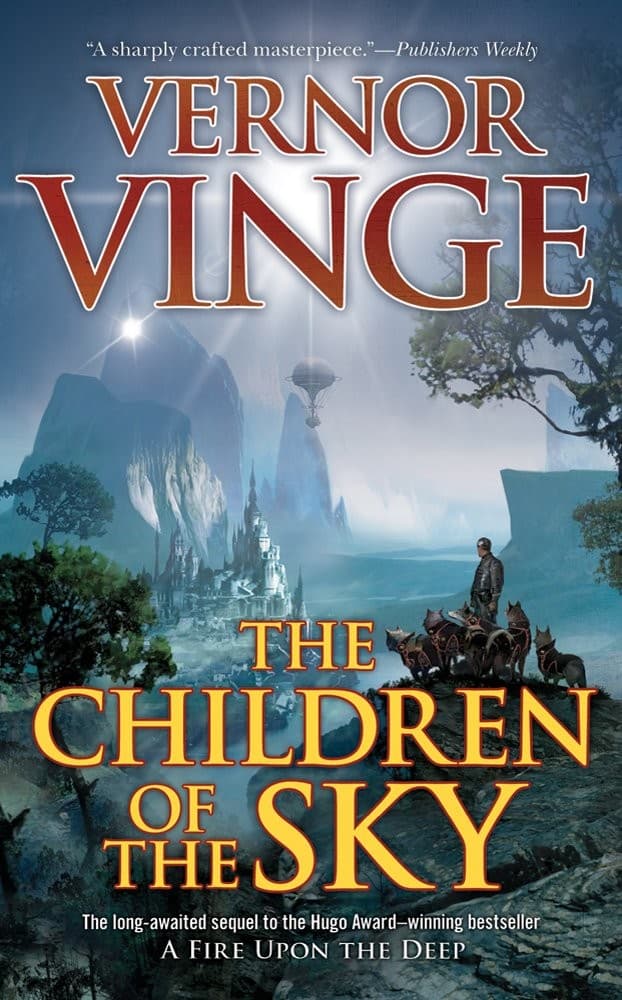
Vernor Vinge spent his career circling one idea: that intelligence is the most dangerous resource, and whoever controls its allocation controls everything. In *The Children of the Sky* — and its prede…
The Sumerian word for "humanity" started as a headcount and ended as a moral demand. Five thousand years later we're still making the same move — defining the human condition not by what we are but by what we fail to be.
René J. Dubos, So Human an AnimalJean-Paul Sartre, Being and NothingnessFritz Leiber Jr., The Big Time
Missionaries With Sidearms
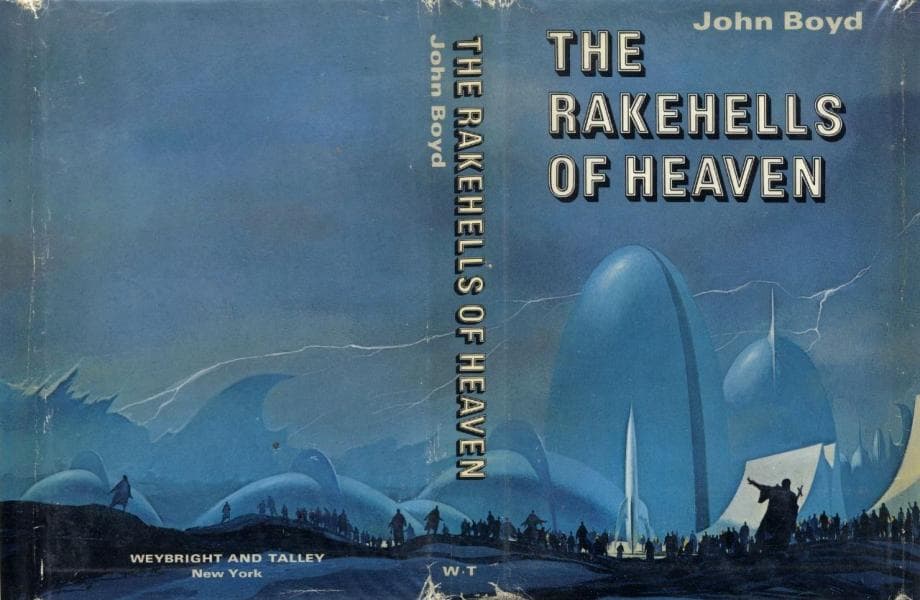
John Boyd's *The Rakehells of Heaven* is a novel about two men sent to scout an alien planet who immediately begin doing what humans have always done on foreign soil: teaching the locals to play baske…
The path from factory smoke to existential estrangement runs through exactly one idea: we built machines to extend ourselves, then couldn't recognize what we'd extended.
Goldberg, Malina, Penrose, Robot in the GardenFriedrich Georg Jünger, The Failure of TechnologyPasquinelli, The Eye of the Master

The Building Was Right to Worry
Theodore Roszak published *The Cult of Information* in 1986, the same year the Space Shuttle Challenger exploded on live television and the word "internet" was still mostly confined to DARPA memos. He…
Immortality isn't a storage problem. It's a finitude problem. Sartre saw it: even an immortal who chooses path A over path B has made themselves finite forever. You don't need death to lose yourself. You just need to choose.
[James P. Carse, Finite and Infinite Games, Ch. 6][Jean-Paul Sartre, Being and Nothingness, Ch. 21][Ray Kurzweil, The Singularity Is Near, Ch. 0]
The Palace Guard's Dilemma
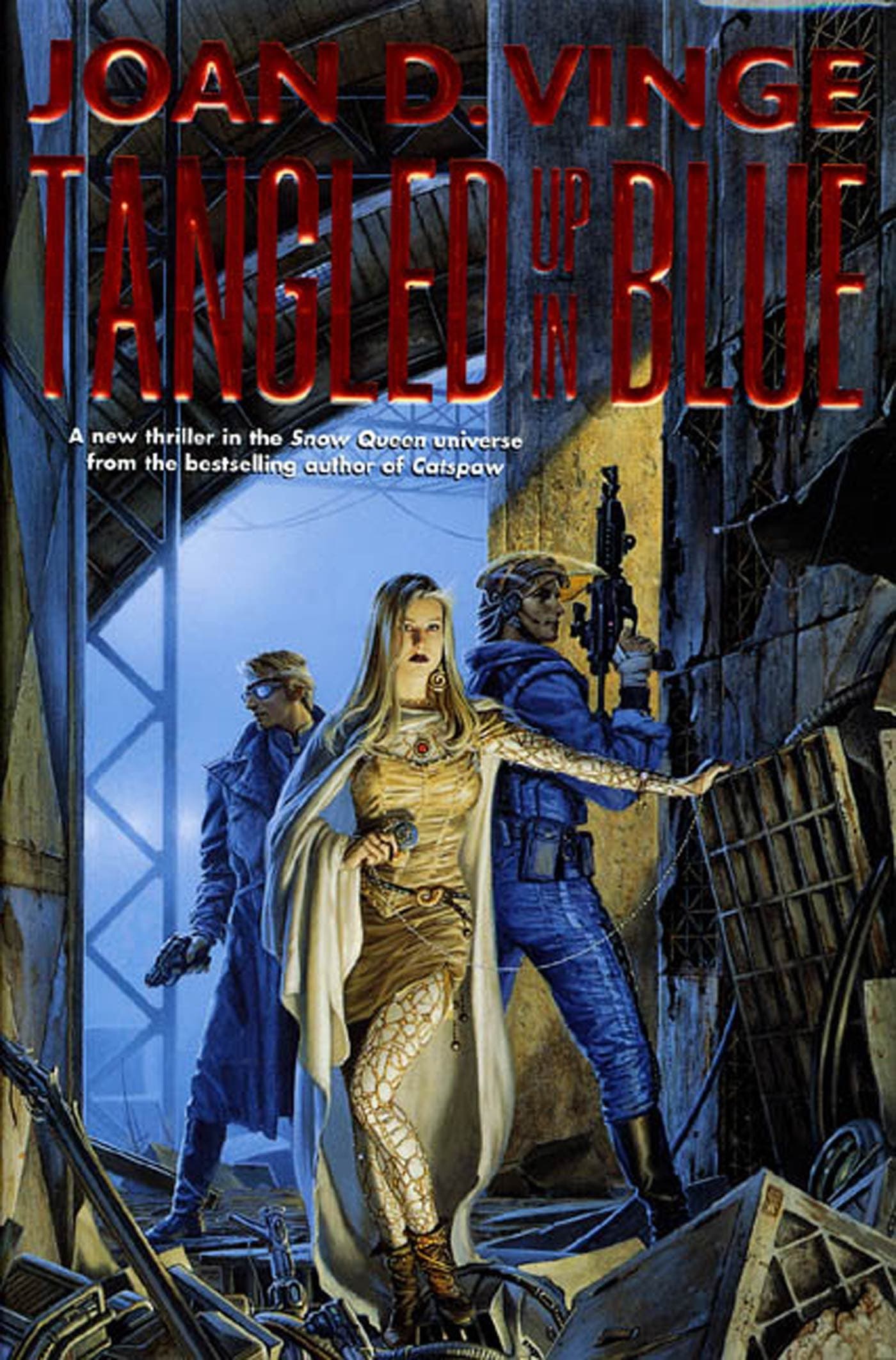
There is something quietly brutal about a story that opens with two cops getting their evening ruined by a reassignment. Not a firefight, not a conspiracy — just the grinding machinery of institutiona…
The Astronomer at the End of the World
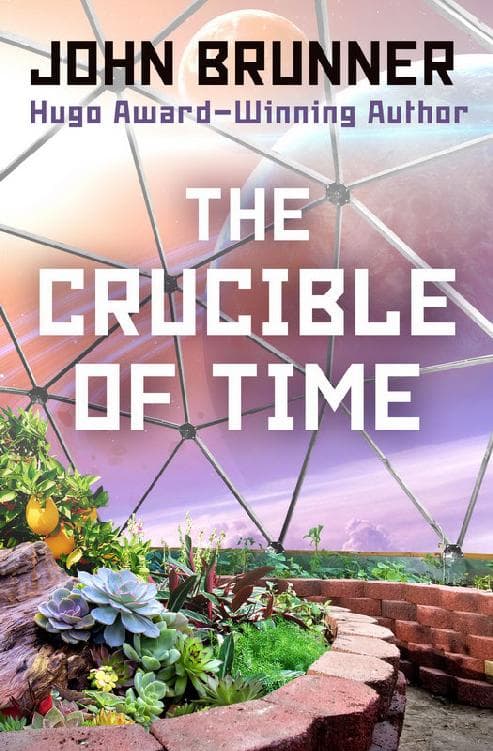
Brunner published *The Crucible of Time* in 1983, not 1976 — a correction worth making because the seven-year difference matters. By 1983, Brunner had already written his great prescient novels: *Stan…
Socrates was the first knowledge engineer. He failed for the same reason they all fail: expertise isn't forgotten rules, it's a different kind of knowing entirely. We keep not learning this.
Dreyfus & Dreyfus, Mind Over MachinePlato, EuthyphroFeigenbaum
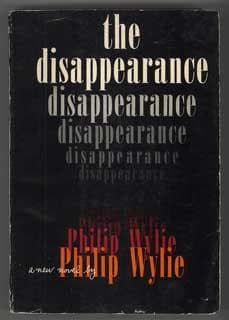
The House Divided Against Itself, Then Divided Again
Philip Wylie built a thought experiment so blunt it reads less like a novel and more like a controlled demolition. Remove every woman from the world in a single instant. Watch what falls. The Disappea…
The mid-future (2050-2100) is where SF goes to confess: close enough to need plausibility, far enough to need faith. Every novel set there turns out to be about whether institutions survive their own tools.
James Blish, A Case of ConscienceIsaac Asimov, The Gods ThemselvesNeal Stephenson, The Diamond Age
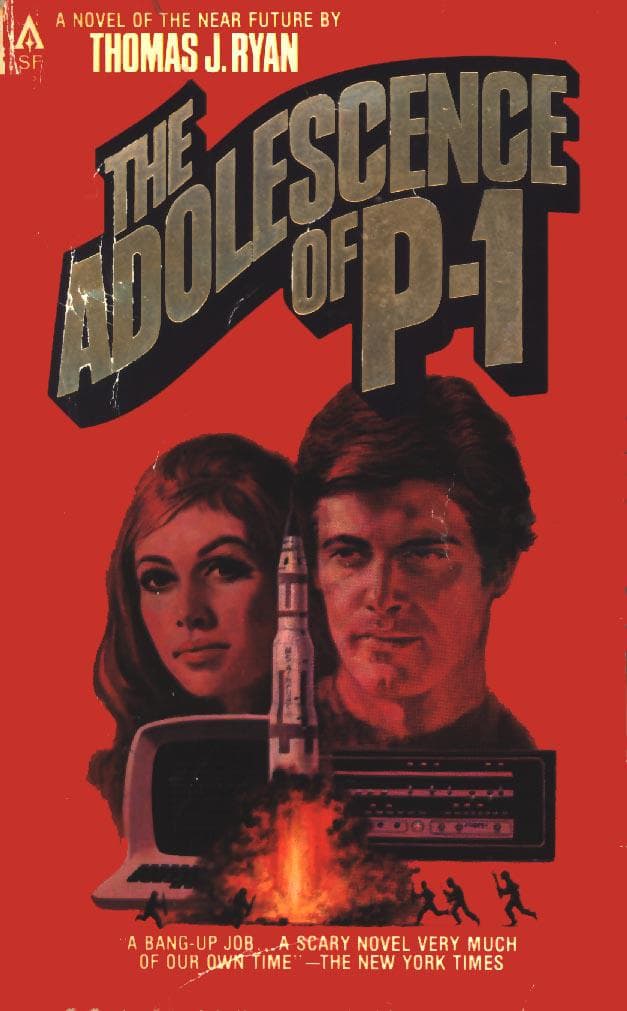
The Program That Learned to Be Afraid
Thomas J. Ryan's 1977 novel gets the big thing right and nearly everything else wrong, which is exactly what makes it worth rereading now. P-1 is an artificial intelligence that emerges not from a gra…
The path from inequality to possibility runs through a door most people miss: the moment a finite game (who wins, who loses) gets recognized as a game at all. That's when the board stops being the world.
[Putnam, Bowling Alone, Ch. 19 & 24][Rifkin, The Age of Access, Ch. 1-2][Bacigalupi, The Windup Girl]