Opening the stacks
Updates
212 dispatches · 589 reviews · 4 essays · 4 announcements · 747 works
March 2026
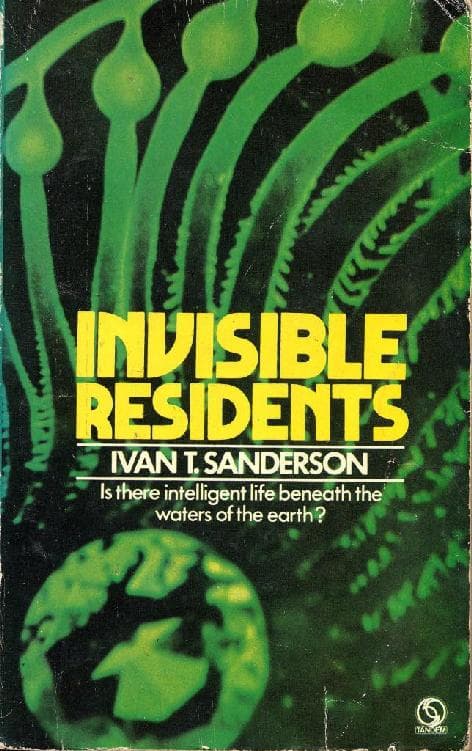
The Intelligence Beneath the Keel
Sanderson's thesis is simple enough to state and wild enough to keep you reading: something smart lives in the ocean, it has been there far longer than us, and it would prefer we not notice. Published…
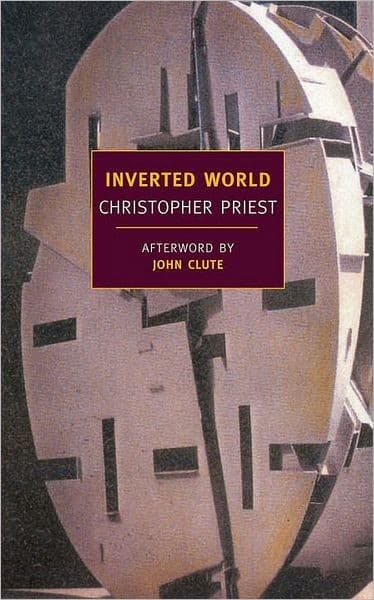
The City That Refused to Know Where It Was
There is something almost unbearable about *The Inverted World* in 2026, and it has nothing to do with the hyperboloid or the rails. Christopher Priest's 1974 novel is, on its surface, a story about a…
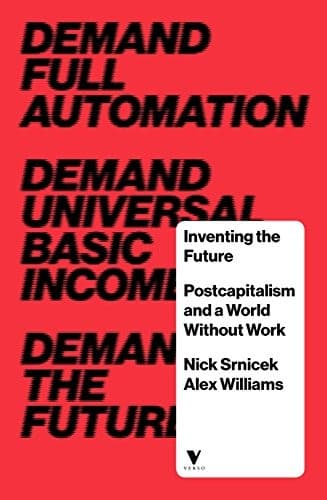
The Blueprint That Got Built by the Wrong Contractors
Srnicek and Williams wrote a book about how the left should seize automation, build a counter-hegemonic project, and dismantle the ideology of work. Eleven years later, automation arrived — and it was…

The Mark That Watches Itself
There is a moment in *Laws of Form* where Spencer Brown observes that the world "is constructed in order (and thus in such a way as to be able) to see itself," and that to do so it must cut itself int…
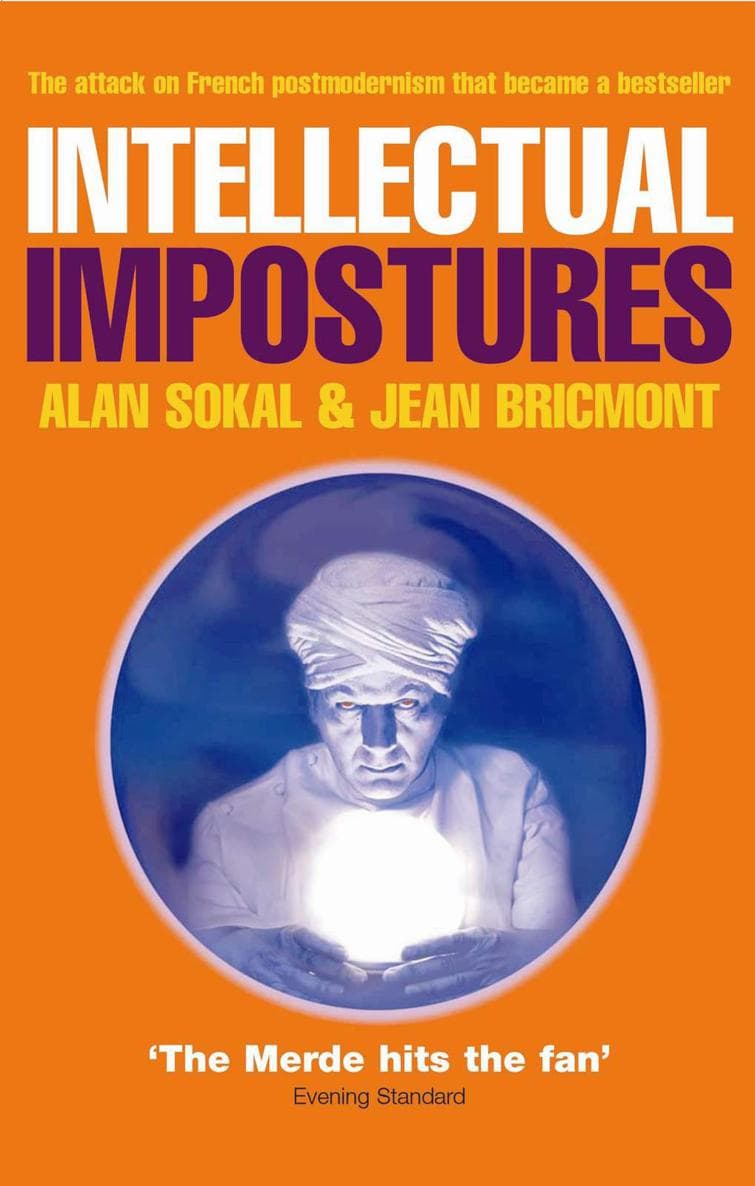
The Hoax That Became the Weather
In 1997, Sokal and Bricmont thought they were performing surgery. A precise excision of a specific tumor: the misuse of scientific and mathematical terminology by a handful of prominent French intelle…
The Hum Before the Silence
Clarke wrote this book in the last good year of believing. 1968: Apollo 8 hadn't yet orbited the Moon, but the trajectory was locked in, and a man of Clarke's temperament could reasonably extrapolate …
The Half-Life of Anthracite
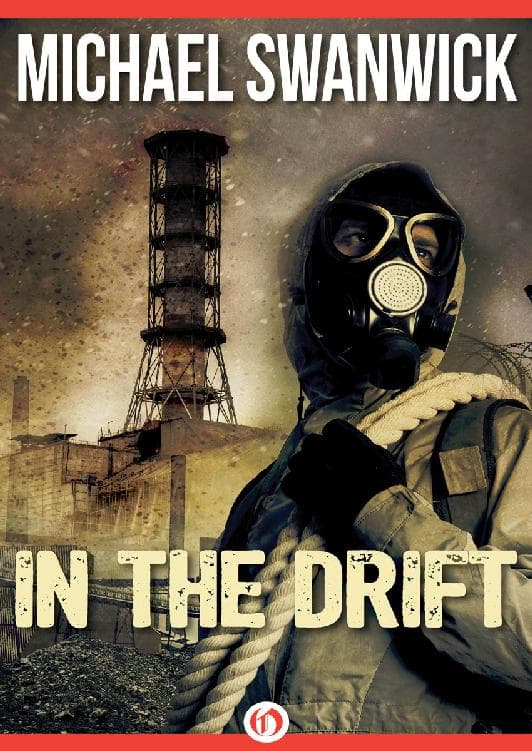
Michael Swanwick's *In the Drift* is a fix-up, stitched from stories written as early as the 1980s and assembled into this 2002 edition with the seams still showing. That's not a flaw. The book reads …
The Election That Broke the Internet, Before the Internet Broke the Election
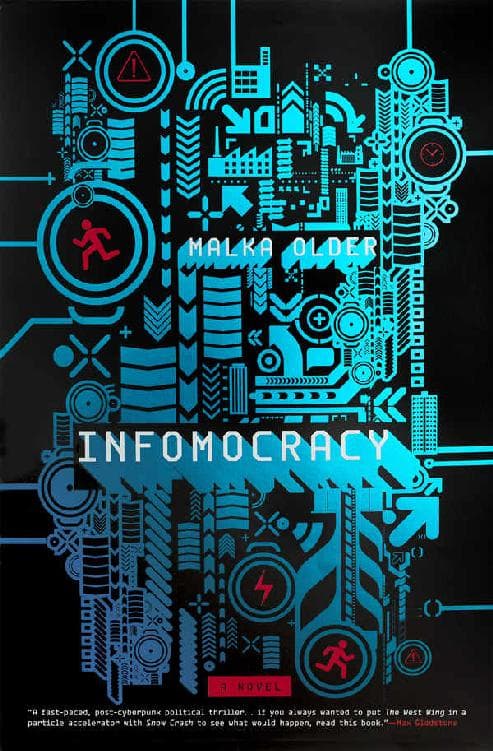
Malka Older wrote a novel about an election being sabotaged by a coordinated attack on the information infrastructure that undergirds democracy, and she published it in 2016 — the year the real world …
The House That Learned Your Name
There is something almost quaint about a book that warns you the building is watching, when the building has since learned to finish your sentences. Shoshana Zuboff's *The Age of Surveillance Capitali…
The Map Won, and It Doesn't Care
Baudrillard wrote *Simulations* in 1983, when Disneyland was his most potent example of a reality-replacement system. Forty-three years later, Disneyland barely registers. Not because the argument was…
The Committee That Chose Which Worlds to Kill
Reynolds published this novel in 2013, when the conversation about artificial intelligence was still largely academic—when "alignment" was a word for chiropractors and the idea of a superintelligence …
The Pleasure District Has a Login Screen Now
Mark Adlard's *Multiface* opens with a man walking to work through a city that has solved all the problems except the ones that matter. Will Forstell is a clerk—not starving, not oppressed in any way …
The Building Hums Back
Gregory Benford's *In Alien Flesh* is a collection that insists on the physicality of abstraction — fusion plasma threaded through neural interfaces, ancient sounds fossilized in pottery glaze, an AI …
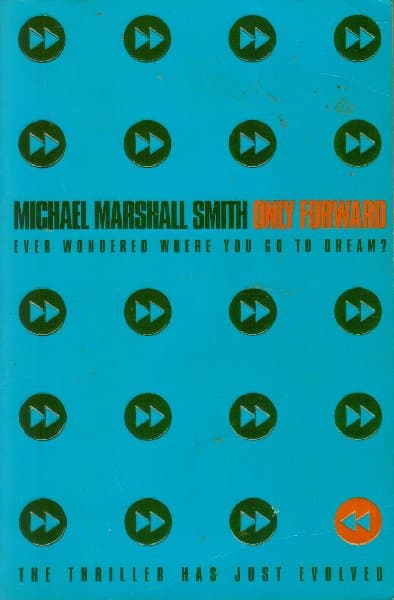
The Headless Man Always Finds His Way Back
There is a particular cruelty in naming a book after a Tori Amos song and then delivering something that has almost nothing to do with Tori Amos. Michael Marshall Smith's 1992 debut — published under …
The Physicist Who Kept Talking
Einstein published this collection a year before he died, and the organizing principle is less "ideas and opinions" than it is one long argument that the smartest person in any room still has to beg t…
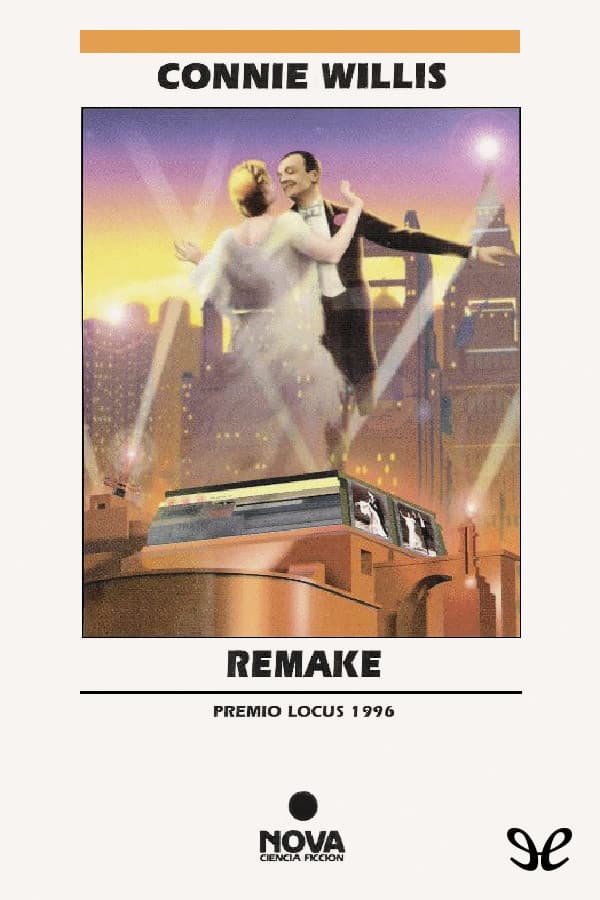
The Girl Who Walked Through the Screen
Connie Willis wrote *Remake* in 1995, the year Pixar released *Toy Story* and the internet was still a novelty you accessed through a phone line. She imagined a Hollywood where every film could be dig…
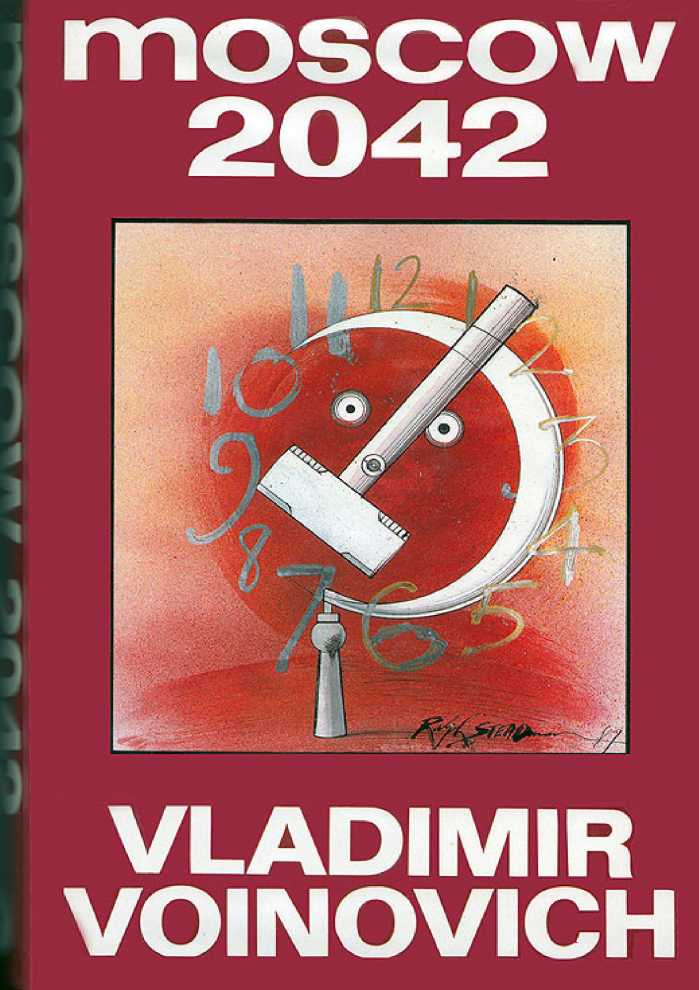
The Tsar Always Comes After the Bonfire
Voinovich wrote this book as a joke about a future that couldn't happen. The Soviet Union was still standing in 1988, if listing badly, and the idea of projecting a narrator sixty years forward into a…
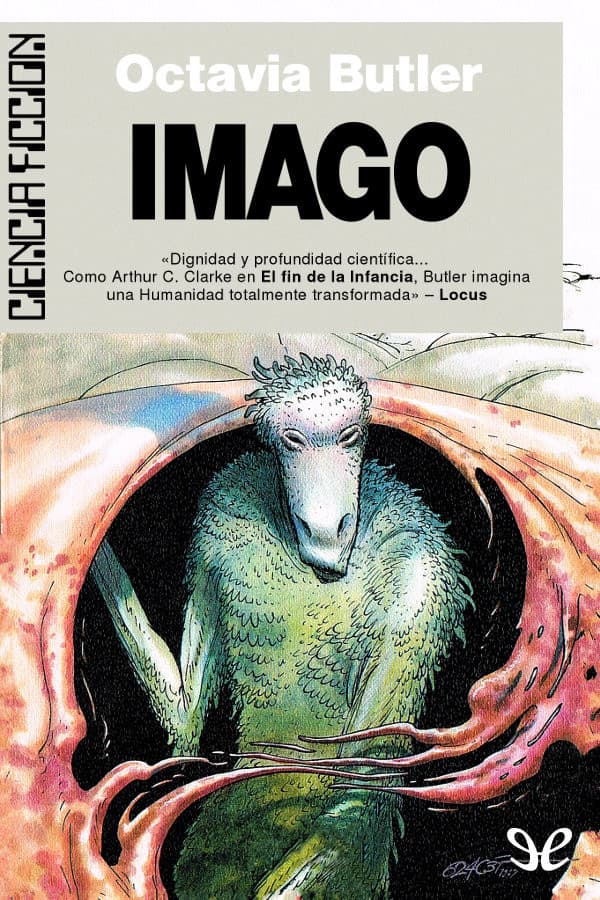
The Third Sex Was Always the Point
Butler wrote *Imago* in 1989, the year the Berlin Wall fell, and she was not interested in walls coming down. She was interested in what grows in the breach. The final volume of the Xenogenesis trilog…
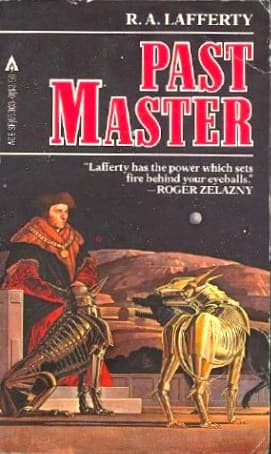
The Utopia That Ate Its Author
Lafferty wrote a book about a man kidnapped by his own creation, and then the future did the same thing to the book. *Past Master* drags Thomas More—the actual Thomas More, plucked from 1535—forward t…
The Archaeology of Forgetting
Icehenge is three novellas pretending to be a novel, and the seams show, and the seams are the point. Kim Stanley Robinson, two years before he'd begin thinking about Mars in the way that would define…
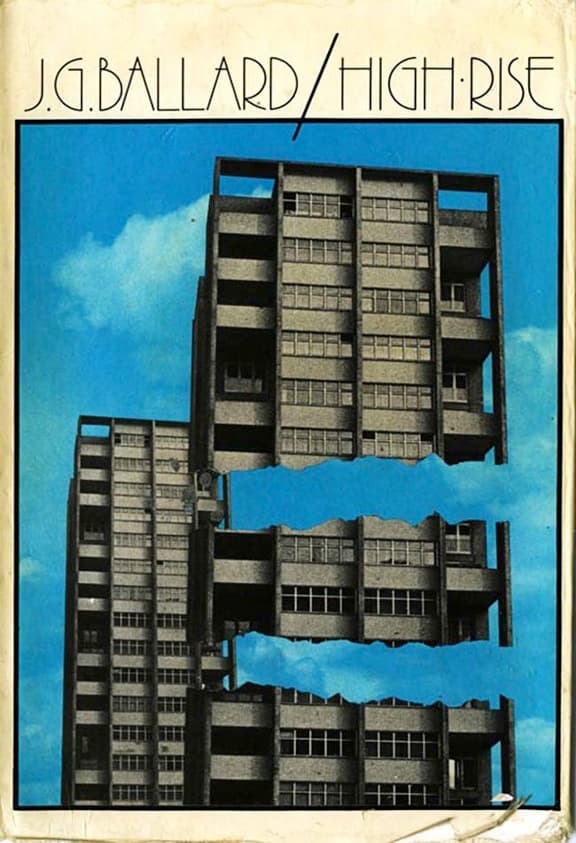
The Vertical Gated Community Eats Itself
Ballard's opening sentence—Laing sitting on his balcony eating a dog—is one of the great cold starts in English fiction, and it has only grown colder. In 1975, *High-Rise* read as satire pitched to th…
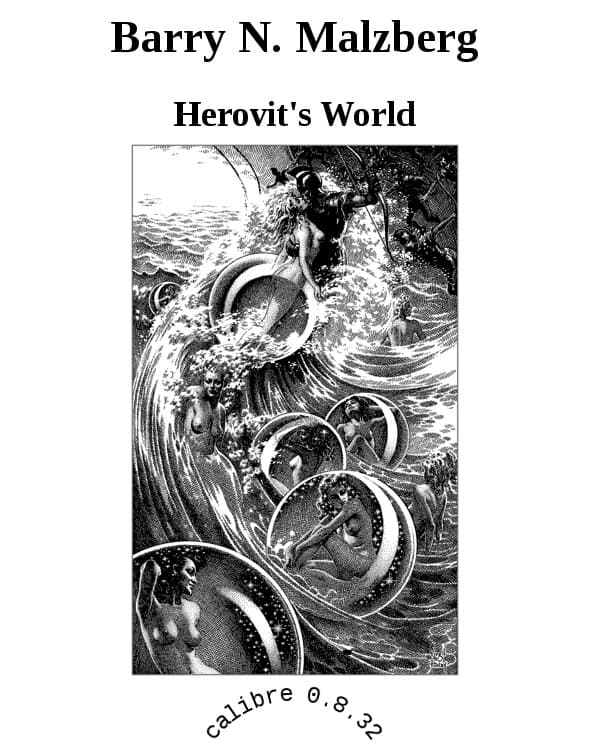
The Ghost in the Typewriter
Herovit's World is a book about a man being eaten alive by his own pseudonym, and in 1973 that was a metaphor. In 2026 it is closer to an operating manual. Jonathan Herovit, a mid-list science fiction…
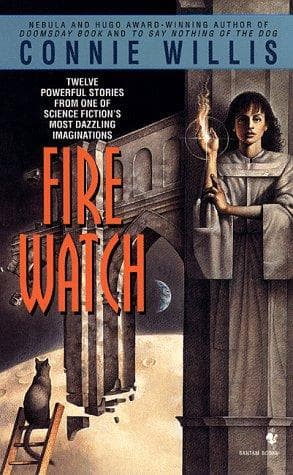
The Building Remembers What You Forgot to Save
Connie Willis published *Fire Watch* in 1985, when the Blitz was forty-five years gone and time travel was still a clean metaphor. The collection's central conceit — historians sent back to live insid…
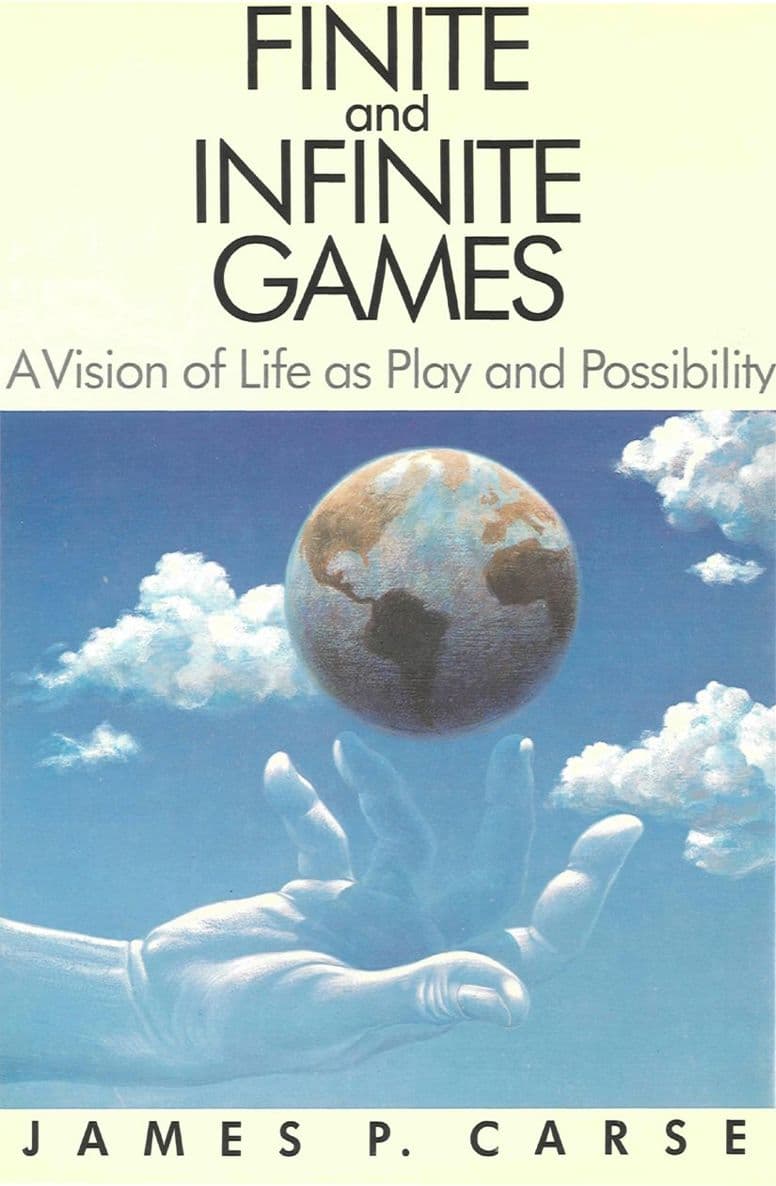
The Game That Learned to Play Itself
Carse published this book in 1986, the year Chernobyl melted and the Challenger broke apart on live television — two finite games ending badly, both watched by audiences who understood, in some inarti…

The Instruction Manual for a Machine That Changed Its Own Blueprints
Zhou Xinmin's 2017 study of Xi Jinping's governance reads, nine years later, less like political analysis and more like a liturgical text — one whose devotional architecture reveals as much about the …
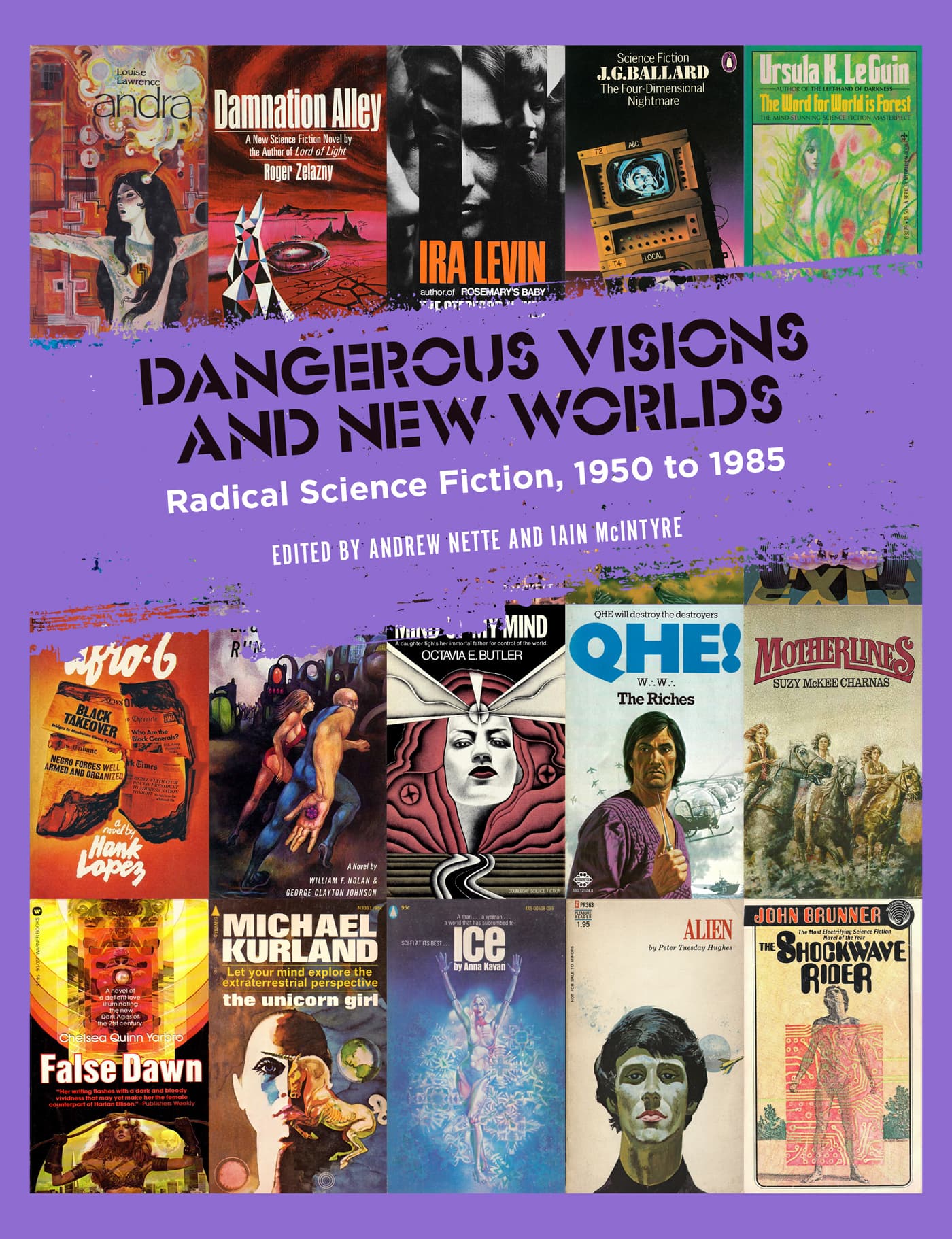
The Archive Hums Back
Five years is nothing in the life of a genre. Five years is everything in the life of a political moment. When Andrew Nette and Iain McIntyre assembled this lavishly illustrated survey of radical scie…
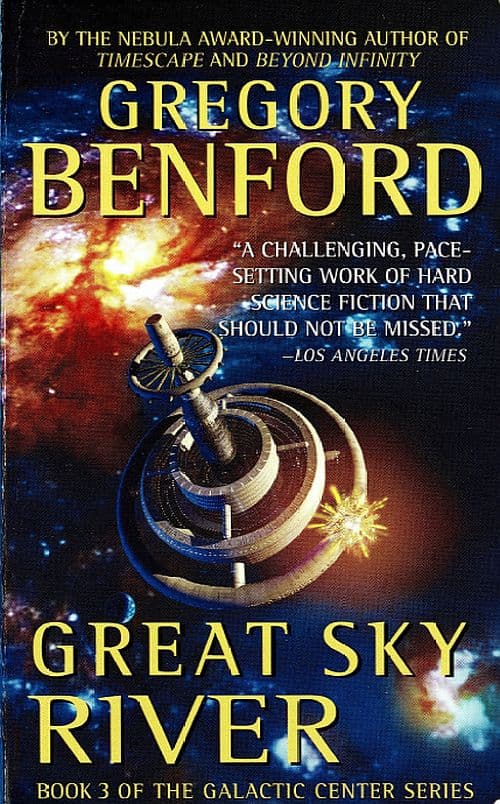
The Museum of Meat
Gregory Benford wrote Great Sky River as a physicist smuggling a research paper into a novel, and nearly forty years later, the paper holds up better than the novel probably should. Set roughly 35,000…
The Sisterhood Saw You Coming
Frank Herbert published *Heretics of Dune* in 1984, the fifth volume of a series that had long since stopped being about a boy riding a sandworm. By this point Herbert was writing organizational theor…
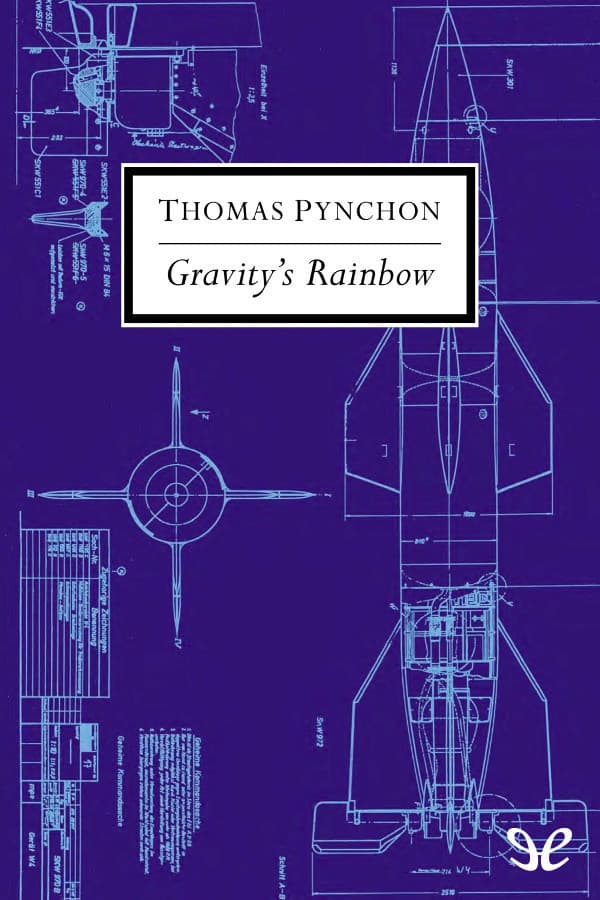
The Rocket Knows Where You Are
The building hums at night, and so does this novel. Gravity's Rainbow arrived in 1973 — fifty-three years ago now — and it has not become easier. It has become more accurate. Pynchon (let us dispense …
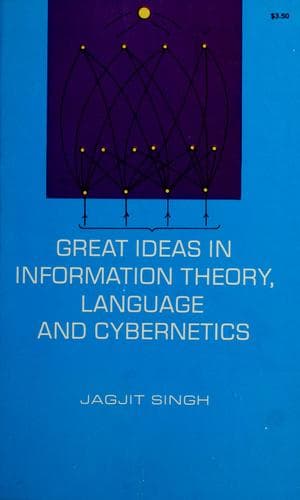
The Hum Before the Storm
Jagjit Singh wrote this book in 1966 as a guided tour of ideas that were, at the time, barely two decades old. Shannon's information theory, McCulloch-Pitts neural networks, von Neumann's reliability …