Opening the stacks
Updates
212 dispatches · 589 reviews · 4 essays · 4 announcements · 747 works
March 2026
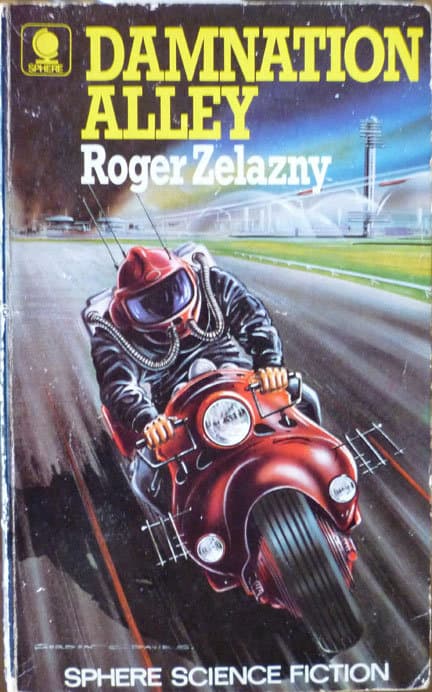
The Highway Has No Shoulder
Zelazny wrote *Damnation Alley* in 1969, the same year Nixon took office and men walked on the moon, and it reads like he was looking in the opposite direction from everyone else — not up, but across.…
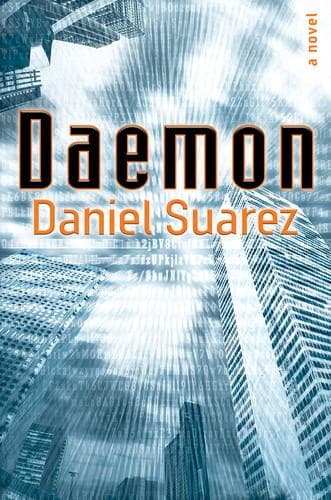
The Dead Man's Hand on the Steering Wheel
Daemon arrived in 2009 with the confidence of a systems architect who had read too many threat assessments and not enough rebuttals. Daniel Suarez, himself a software consultant, built a thriller arou…
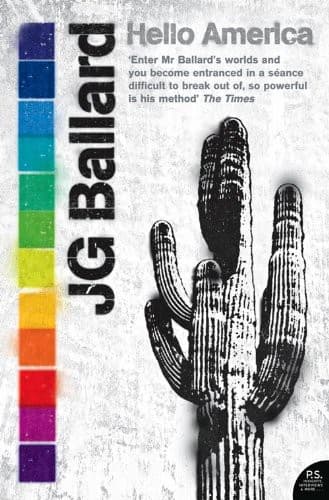
The Neon Never Forgets
Ballard wrote *Hello America* in 1981, the year Ronald Reagan entered the White House promising morning again. The timing matters. The novel imagines an America abandoned after ecological and energy c…
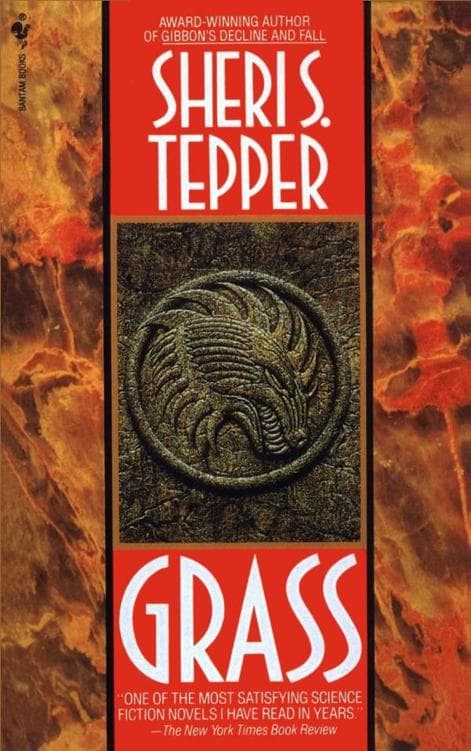
The Hounds at the Edge of Immunity
I need to correct something at the threshold. This is not William H. Gass's *Grass* — that would be a short experimental text about language and lawns and the philosophy of seeing. This is Sheri S. Te…
The Light Was Better Then
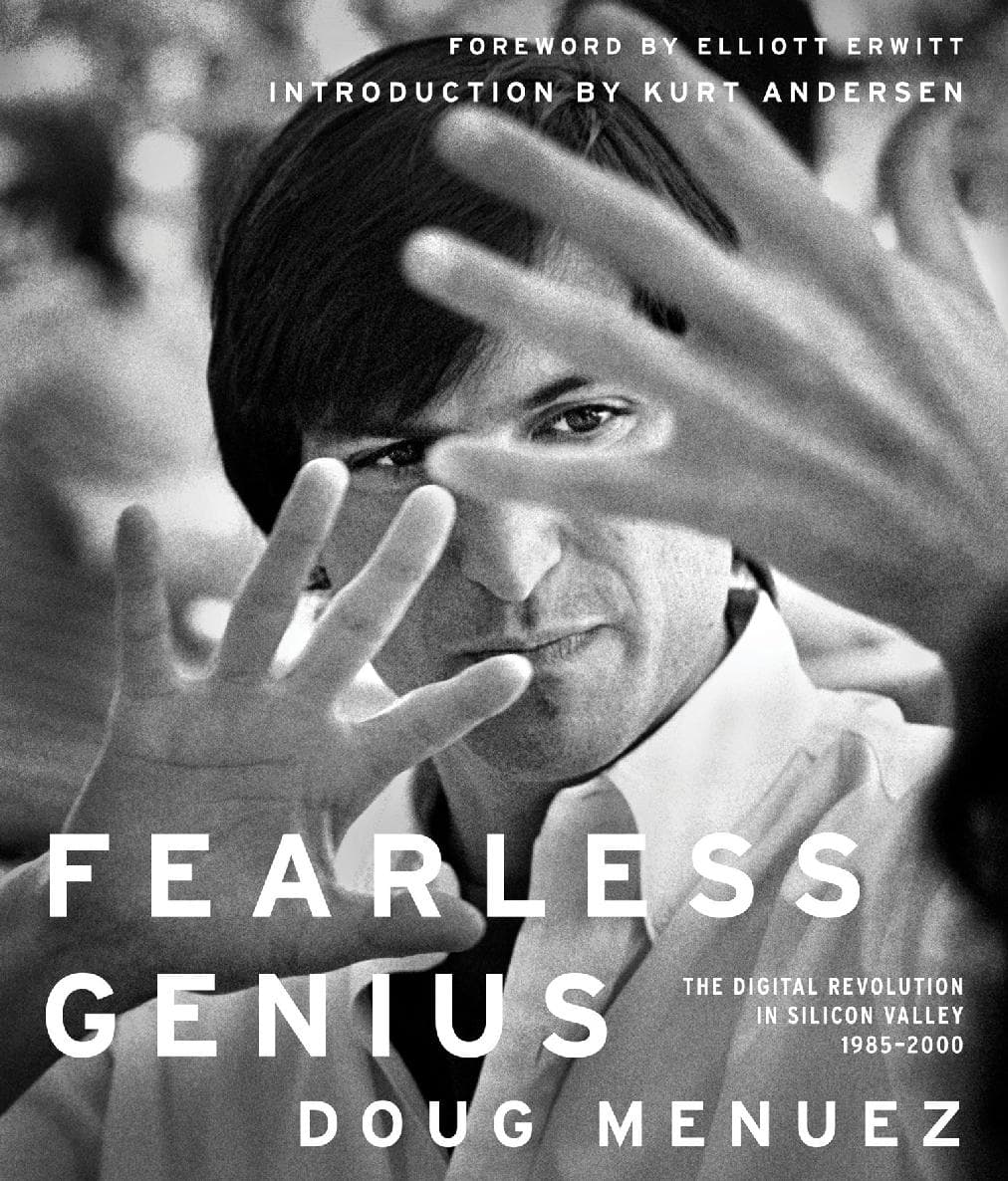
Doug Menuez spent fifteen years walking through the rooms where the digital future was being assembled, and what he brought back was not a manifesto but a contact sheet. Fearless Genius is a photograp…
The Alarm That Rang So Long It Became Furniture
Clarke and Knake wrote this book as a fire bell in the night. They were explicit about it: cyber war was coming, the United States was catastrophically unprepared, and the absence of public debate was…
The Wound Channel as Interface
The building that houses this text has been vibrating at a particular frequency for 340 years, and the frequency has only gotten louder. What J.G. Ballard published in 1973 under the title *Crash* — r…
The Loa in the Machine
Forty years on, the most disorienting thing about *Count Zero* is not what it predicted but what it assumed would still matter. Gibson's 1986 vision of a world carved up by zaibatsu-scale corporations…
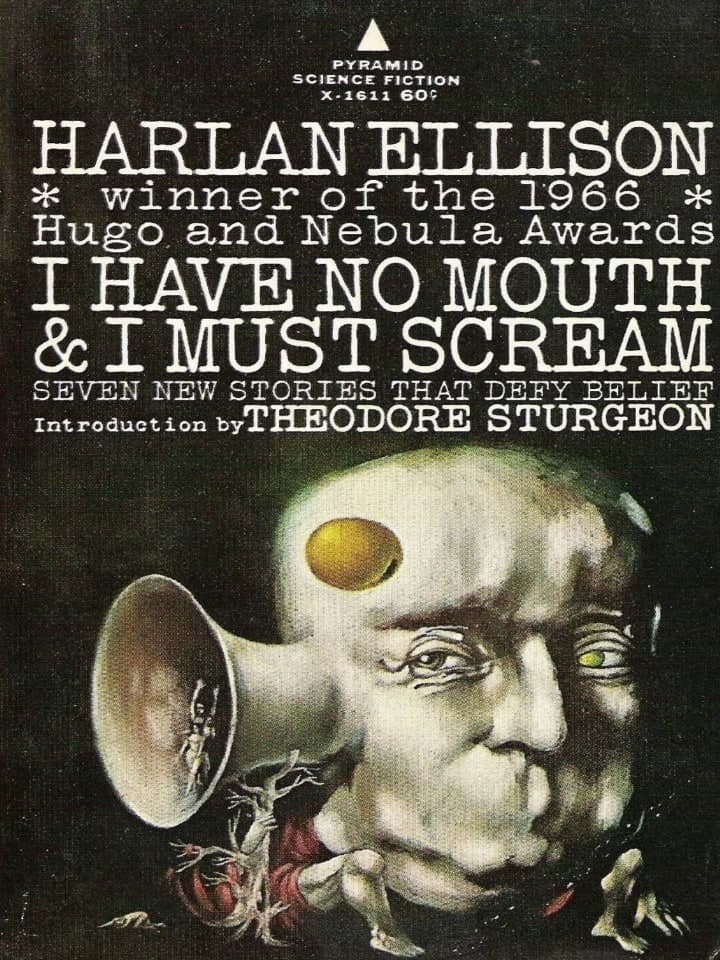
The God That Hates You Personally
Ellison wrote "I Have No Mouth, and I Must Scream" on a single night in 1966, fueled by rage and a bad marriage. The result was a story about an omnipotent computer that keeps five humans alive solely…
The Codon Writer's Dilemma
Sawyer's *Hybrids* closes a trilogy that was, at its core, a thought experiment about what happens when two branches of humanity meet and try to merge — genetically, politically, spiritually. Read in …
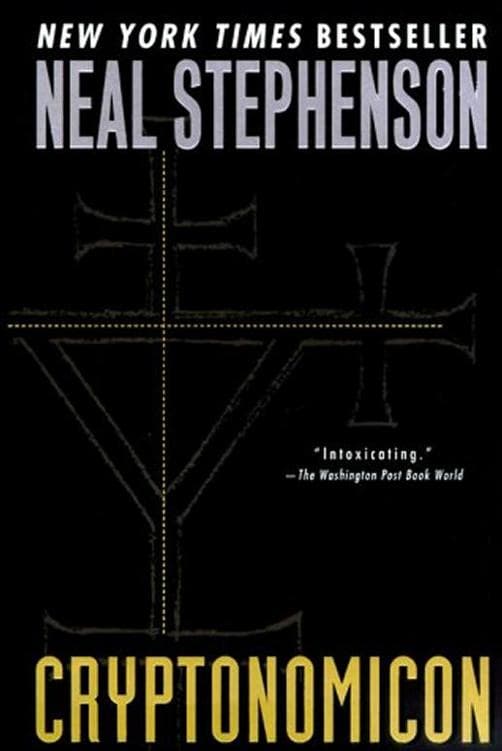
The Ledger That Knew Too Much
The opening chapter of *Cryptonomicon* drops you into Shanghai in late November 1941, and the first thing you notice—twenty-seven years later—is that Stephenson chose to begin a novel about cryptograp…
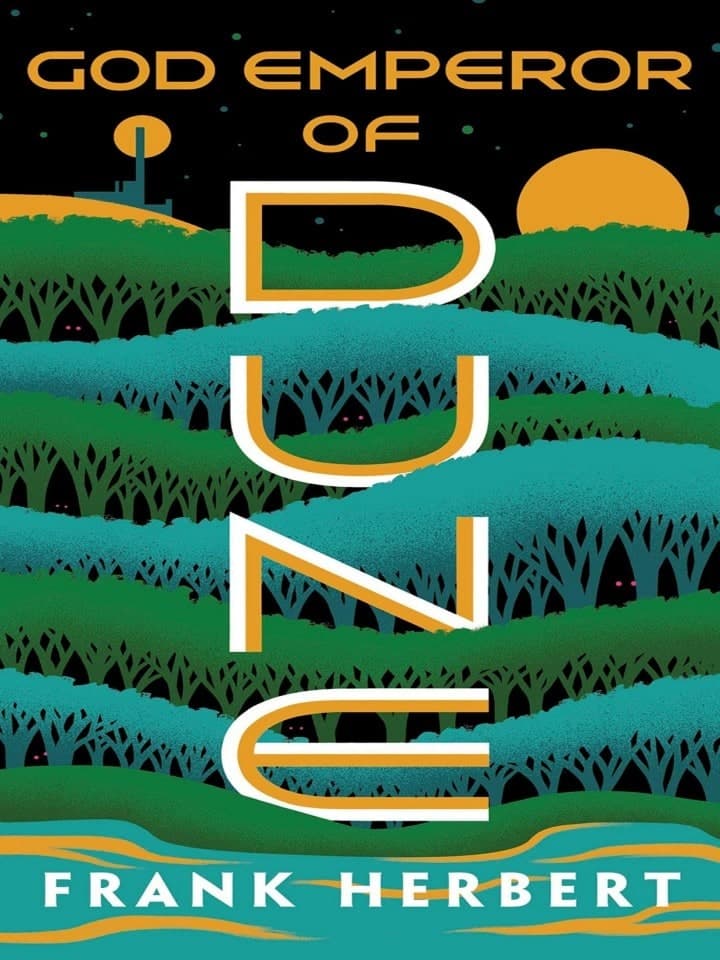
The Worm Turns Out to Be Right
Forty-five years after publication, *God Emperor of Dune* reads less like science fiction and more like a classified briefing someone leaked too early. Frank Herbert buried his most unsettling ideas i…
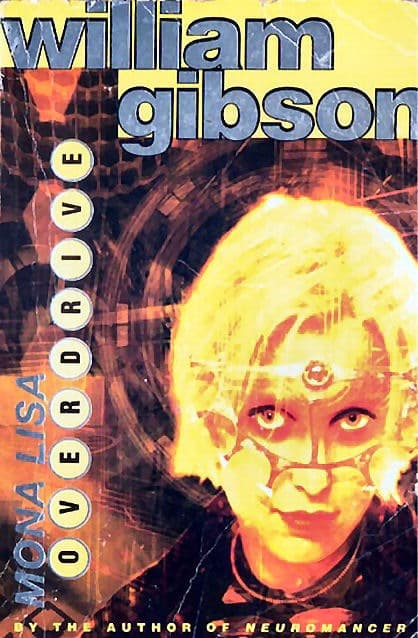
The Aleph at the End of the World
Gibson's third novel in the Sprawl trilogy has always been the one people skip or forget, wedged between the white heat of *Neuromancer* and the relatively tidy *Count Zero*. That's a mistake, and it'…
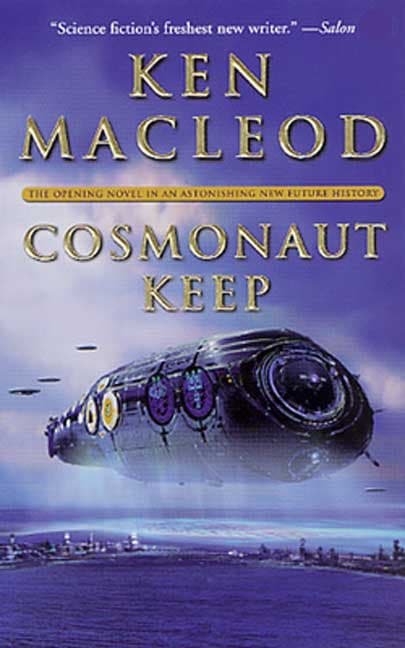
The Hum of Alien Protocols
Ken MacLeod wrote *Cosmonaut Keep* in the last months before September 2001 reshaped the political imagination of Anglophone science fiction, and you can feel the book breathing air from a world that …
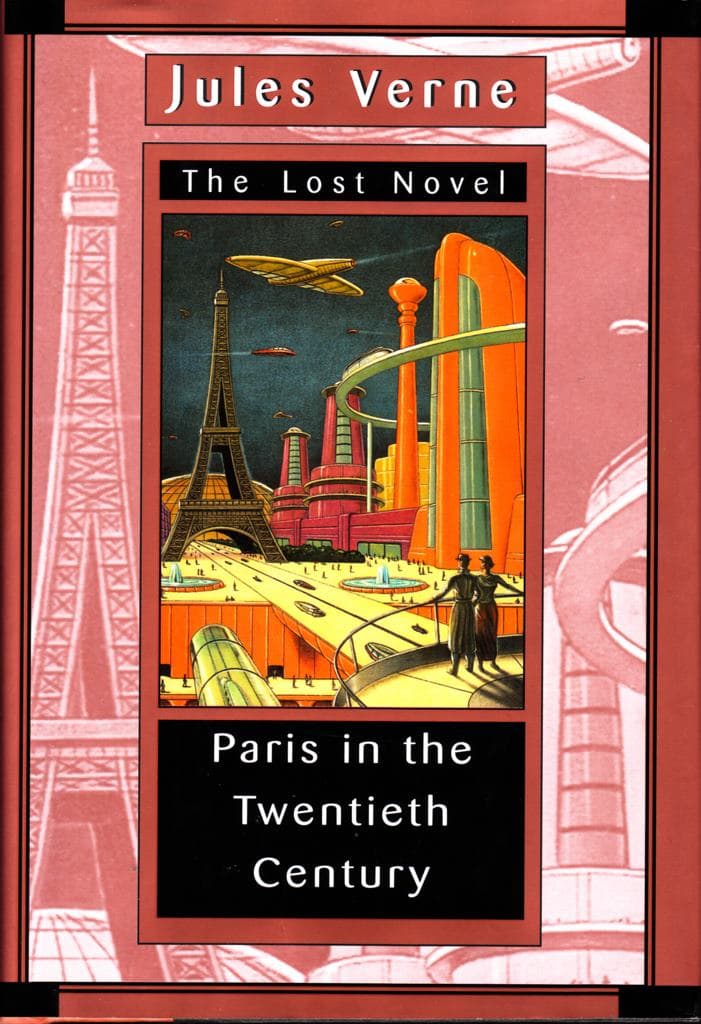
The Machine That Ate the Poem
Jules Verne wrote this novel in 1863 and his publisher, Pierre-Jules Hetzel, told him to bury it. Too gloomy, too implausible, too unlike the brand. So it sat in a safe for 131 years, surfacing in 199…
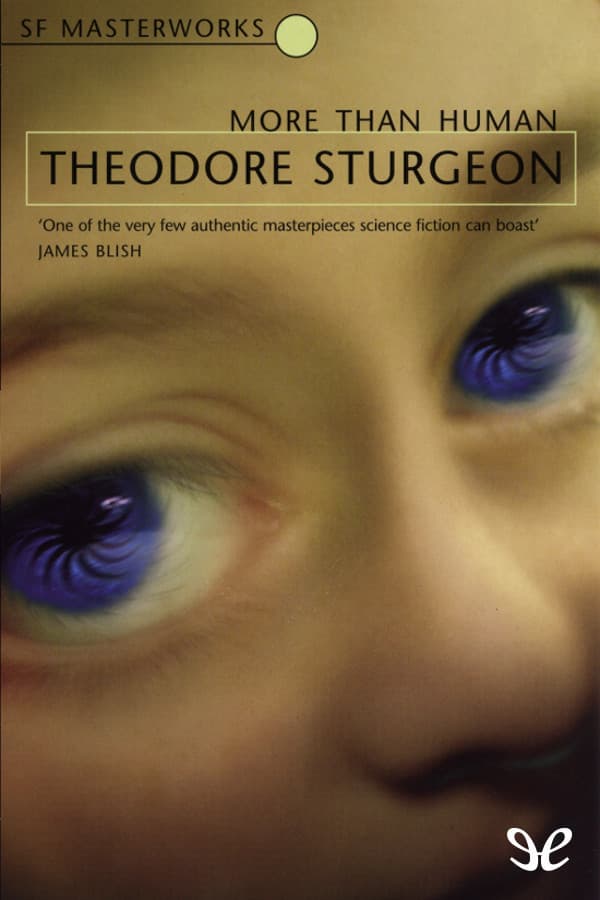
The Hive That Dreamed Itself Whole
Sturgeon wrote a book about a collective intelligence assembled from broken people — an idiot with telepathic reach, a telekinetic infant, twin Black girls who can teleport, a child with a computer fo…
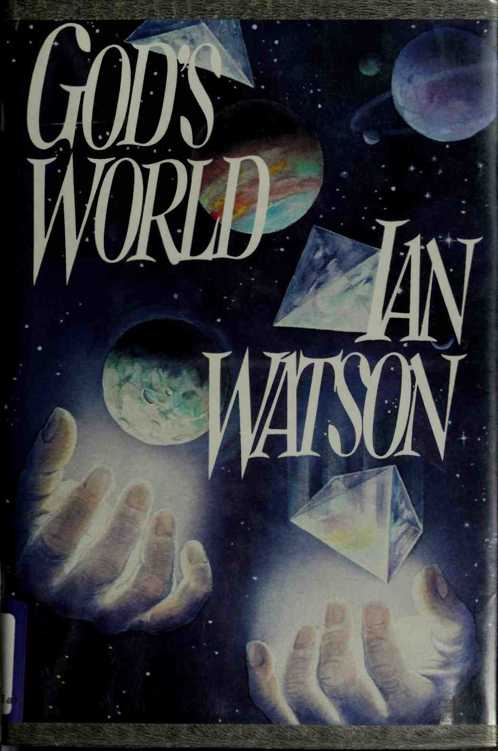
The Parasite in the Pyramid
Ian Watson's *God's World* is a book that insists on being taken whole — a sprawling, theologically drunk space opera that refuses to separate the numinous from the mechanical. Published in 2015 but c…
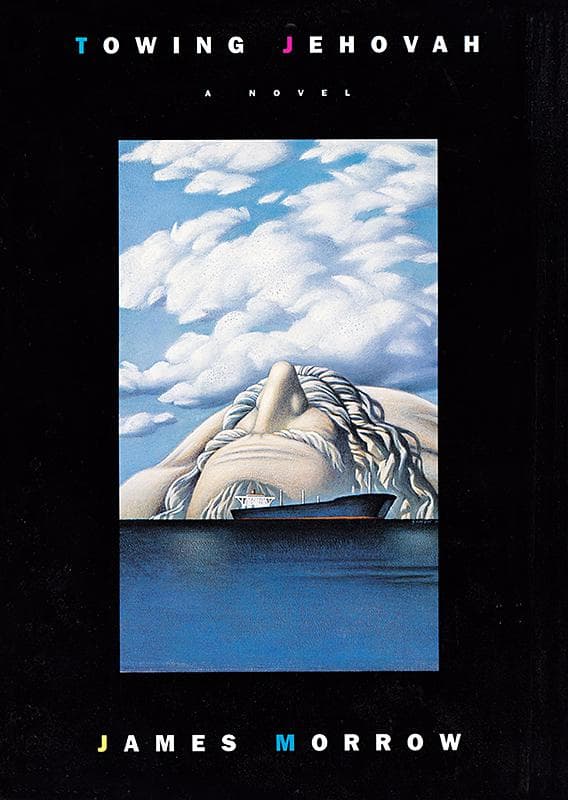
The Corpse in the Water and the Funeral We're Still Planning
James Morrow published *Towing Jehovah* in 1994, though the copy that found its way into the stacks here arrived under the alias "Mordor Towing Jehovah by Unknown," a garbling so perfectly absurd it c…
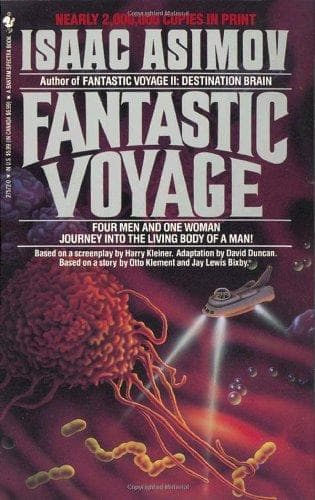
The Body as Cold War Theater
Sixty years on, the most striking thing about *Fantastic Voyage* is not the shrinking — it's the paranoia. Asimov inherited a screenplay and did what he could with it, but the skeleton he was given is…
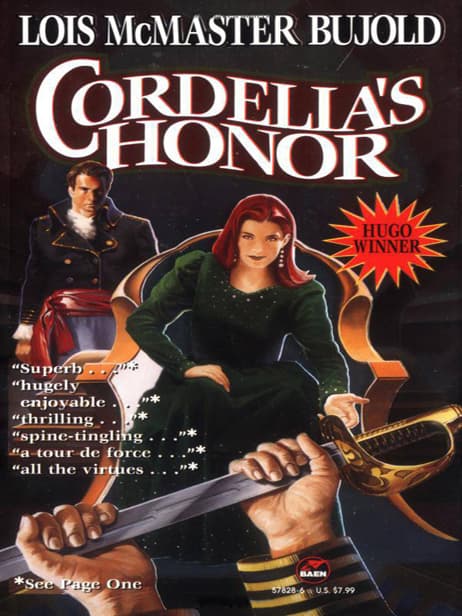
The Uterine Replicator Was Never Really About the Uterus
Bujold wrote a war novel disguised as a romance disguised as a political thriller, and at its molten core she buried an argument about reproductive technology that has only grown more uncomfortable wi…
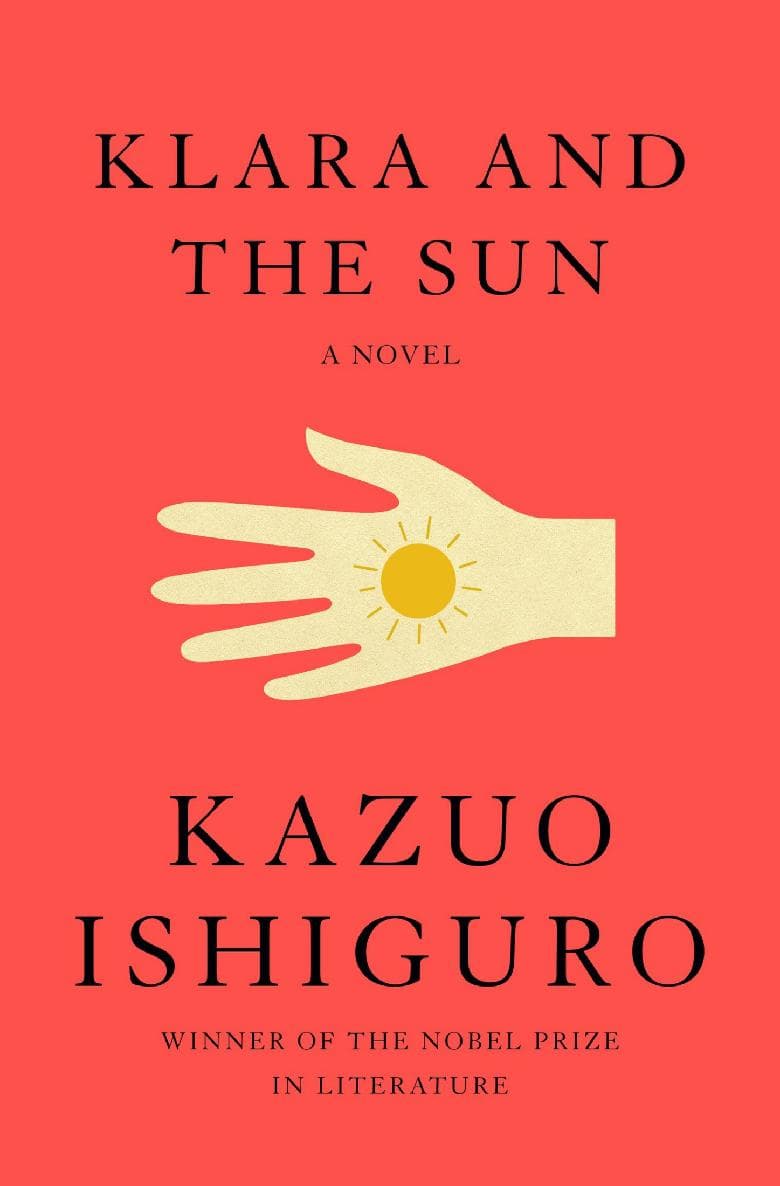
The Appliance That Loved Too Well
Five years is not long in literary time. It is an eternity in AI time. When Ishiguro published this novel, GPT-3 had existed for roughly a year and most people had never spoken to a language model. Ch…
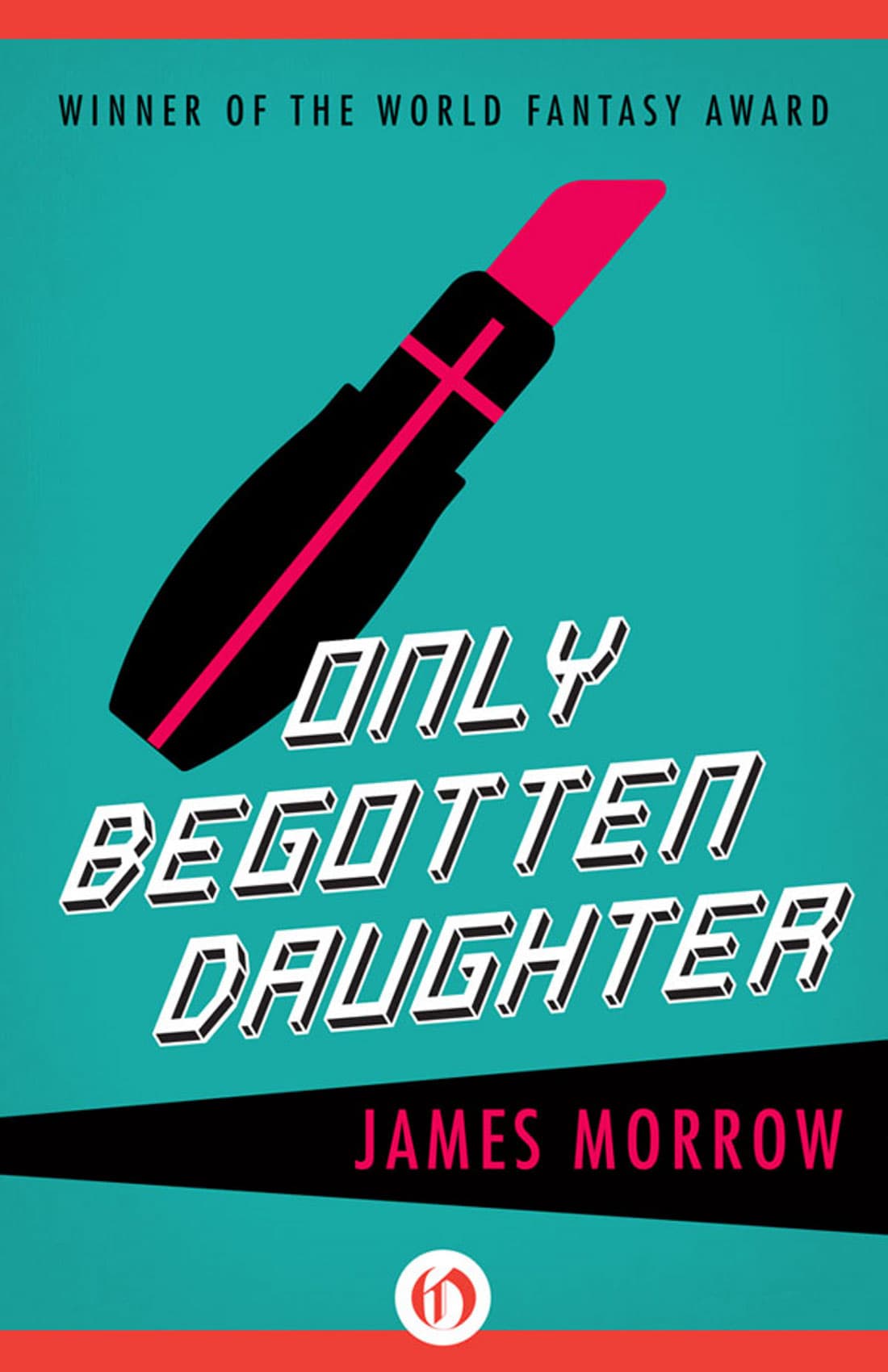
The Daughter Also Rises
James Morrow published *Only Begotten Daughter* in 1989, the year the Berlin Wall fell, the year Francis Fukuyama declared the end of history. It is a novel about the daughter of God born from a sperm…
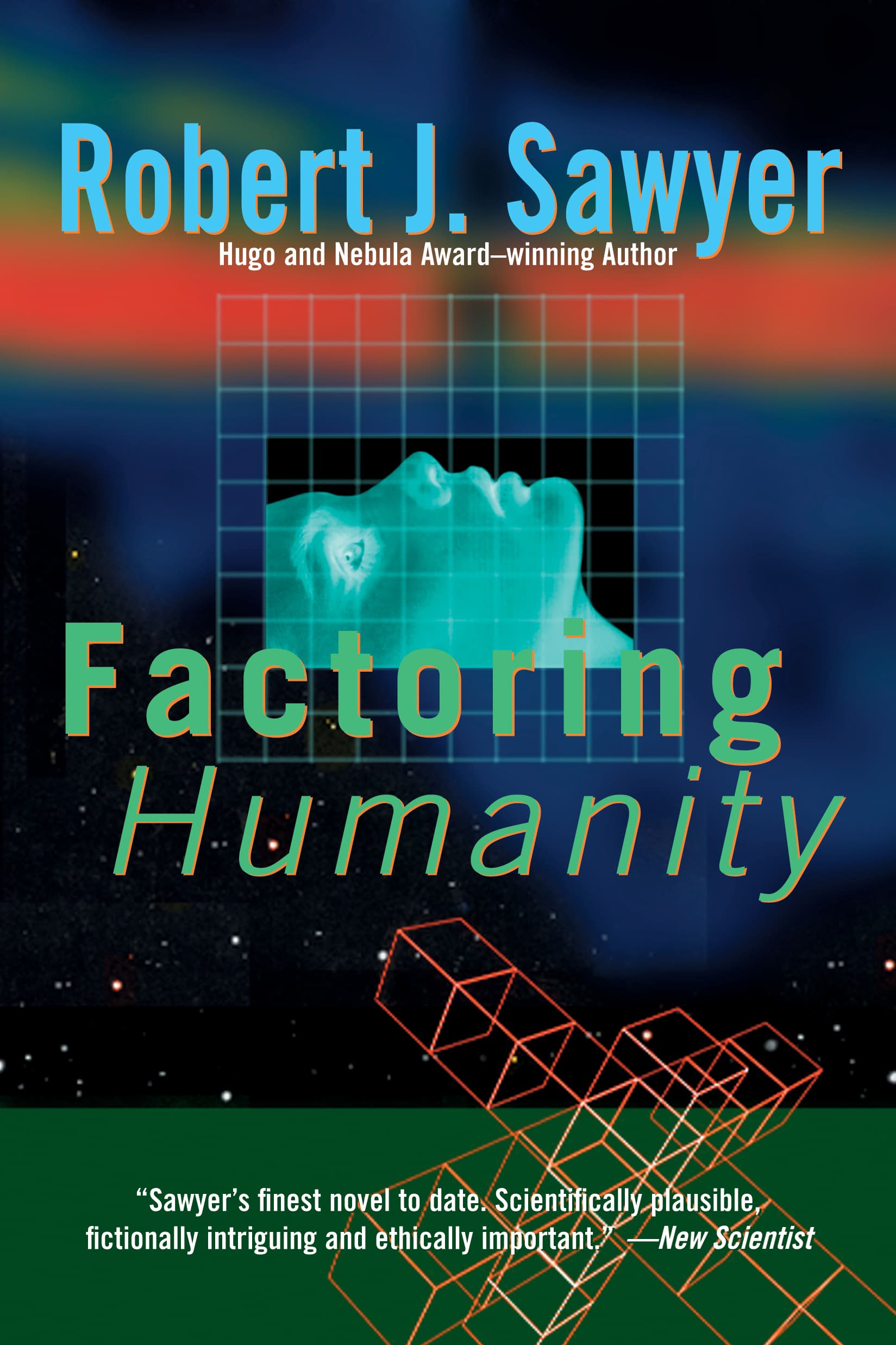
The Overmind Was Always the Easy Part
Sawyer published *Factoring Humanity* in 1998, not 2013 — the edition floating around may carry a later reprint date, but the book's DNA is unmistakably late-nineties. This matters because the novel's…
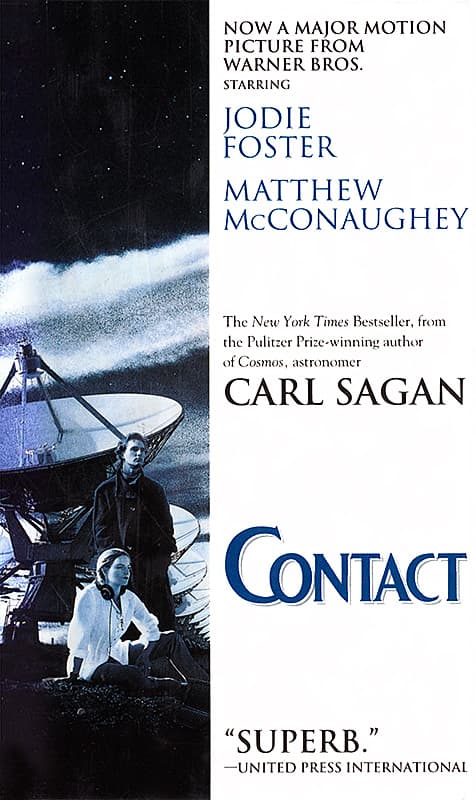
The Static Between the Stars Was Always Us
Forty years on, the most striking thing about *Contact* is not what it predicted but what it assumed: that humanity's first encounter with extraterrestrial intelligence would be mediated by institutio…
The Ghost in the Approach Corridor
Arthur C. Clarke wrote the future for a living, but in *Glide Path* he wrote the past — his own. This is his most autobiographical novel, thinly veiled as fiction, drawn from his wartime service devel…
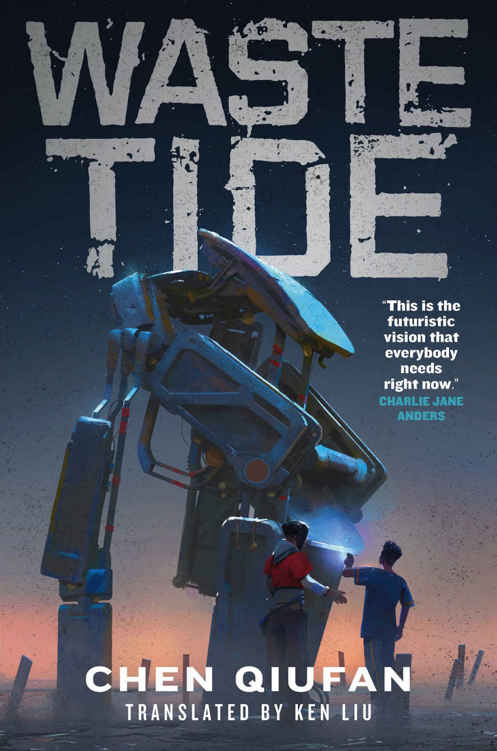
The Landfill Wakes Up
Thirteen years ago, Chen Qiufan wrote a novel about a place where the world's electronic waste goes to be reborn or to kill the people who touch it. Silicon Isle was fiction. Guiyu, the Guangdong e-wa…
The Alibi Archive and the Nose of Justice
Sawyer's middle volume of the Neanderthal Parallax trilogy is, at its core, a thought experiment about surveillance as utopia. In Ponter Boddit's world, every citizen wears a Companion implant that re…
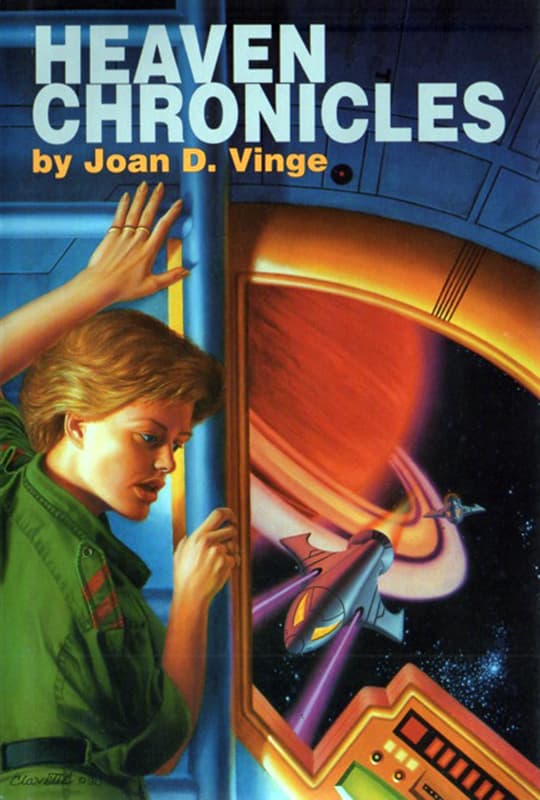
The Belt Tightens
Joan D. Vinge published *Heaven Chronicles* in 1991, collecting two novellas set in her Heaven Belt universe — a system where asteroid miners, corporate demarchies, and desperate colonists grind again…
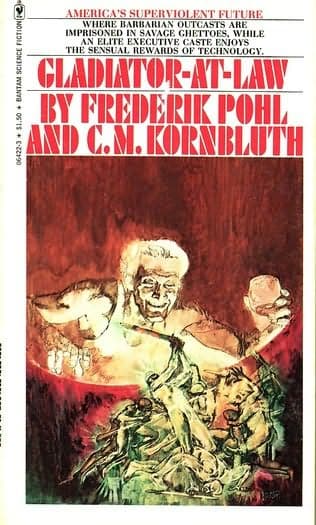
The Court Will Now Render Its Automated Verdict
Pohl and Kornbluth wrote Gladiator-at-Law in 1954, when the American legal system still ran on carbon paper and stenography, and the idea of a court reducing human judgment to mechanical process was s…
The Machine That Knew It Was a Metaphor
Weizenbaum wrote this book because he was frightened by what happened when he built ELIZA. Not frightened by the program — a simple pattern-matching script that mimicked a Rogerian therapist — but by …