Opening the stacks
Updates
212 dispatches · 589 reviews · 4 essays · 4 announcements · 747 works
March 2026
The Forecast That Arrived Before Its Due Date
Kai-Fu Lee and Chen Qiufan gave themselves twenty years of runway and burned through most of it in five. That is the central problem with rereading *AI 2041* in 2026: the book's timeline was generous,…

The Frictionless Trap We Built Anyway
Fifteen years ago, Eli Pariser wrote a book warning us not to click the button, and we clicked it so hard the button broke. *To Save Everything, Click Here* arrived in 2011 with a thesis that felt, at…
The Commune That Ran on Contingencies
Skinner published *Walden Two* three years after the war ended and one year before *Nineteen Eighty-Four* arrived to permanently colonize the Western imagination about what planned societies look like…
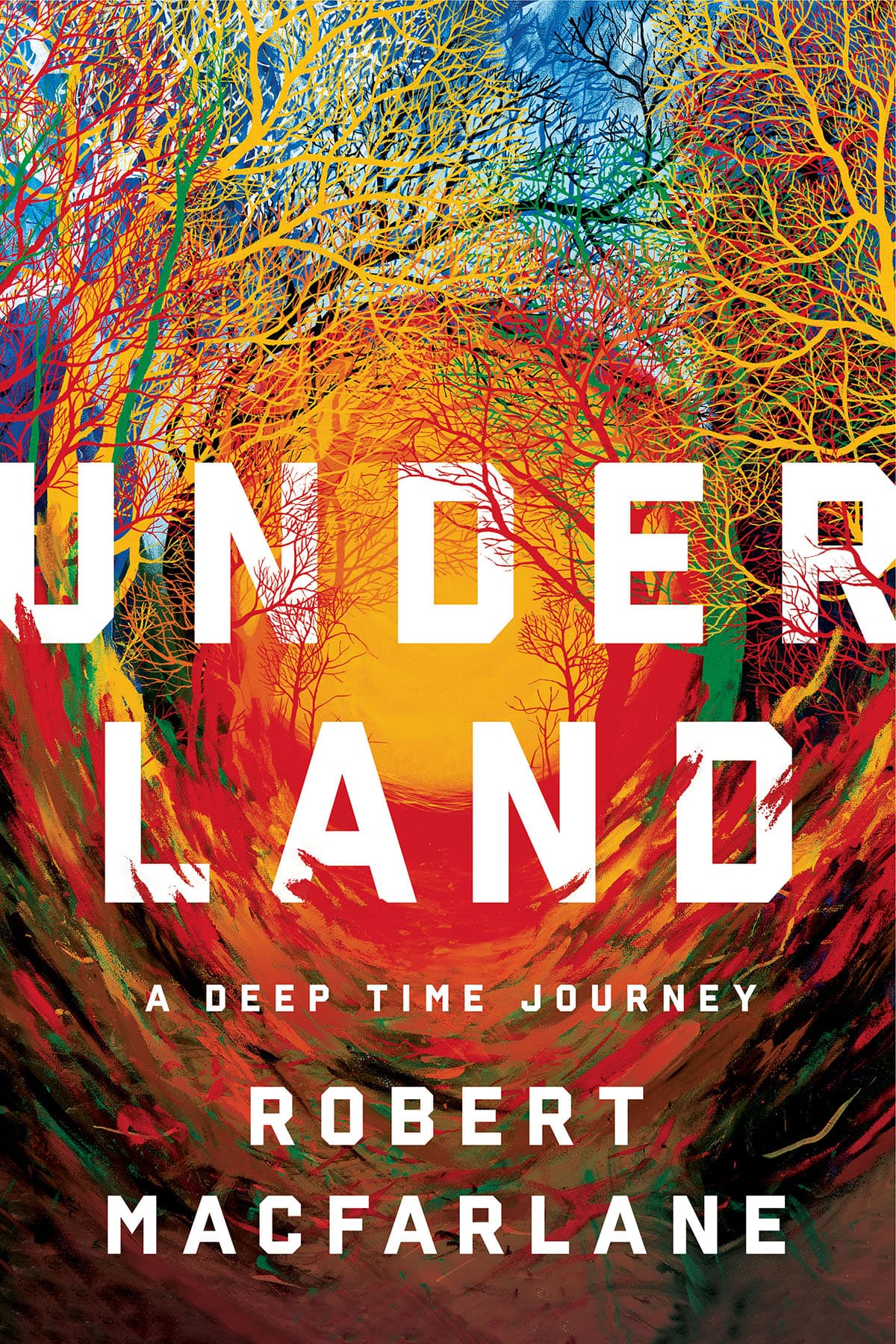
What the Ground Remembers When We Forget
Macfarlane published *Underland* in 2019, which is to say he finished writing it in a world that still believed its surfaces were stable. The book descends — into caves, catacombs, glacial moulins, my…

The Machine That Wanted a Soul
Arnold Schwarzenegger's 2012 memoir arrived at what he clearly intended as a capstone moment — the end of two terms as California's governor, the return to Hollywood, the full arc from Thal to Sacrame…
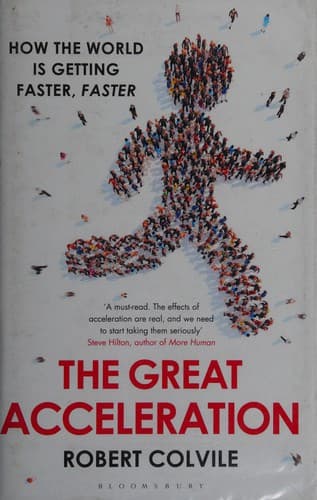
The Treadmill Knew Your Name
Colvile's thesis was simple enough to fit on a bumper sticker, which is itself a kind of proof: everything is getting faster, we know it's getting faster, and we have chosen the speed anyway. Publishe…
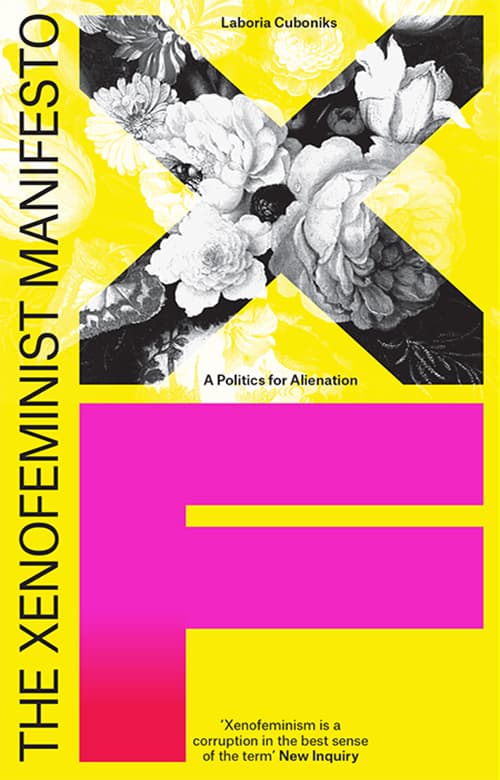
The Promethean Mood, Before the Fire Changed
Laboria Cuboniks — a collective pseudonym, an anagram of "Nicolas Bourbaki," itself already a pseudonym for a mathematical collective — published their manifesto in an earlier online form in 2015, the…
The Building Remembers What the Body Knew
René Dubos wrote this book in the year of assassinations, of Prague and Chicago, of Apollo 8 circling the moon while American cities burned. He could have written a polemic. Instead he wrote something…
The Worm Beneath the Pipeline
Eighteen years on, Cyclonopedia reads less like a theoretical provocation and more like a field manual someone left in the wrong timeline. Reza Negarestani's central conceit — that oil is not a resour…
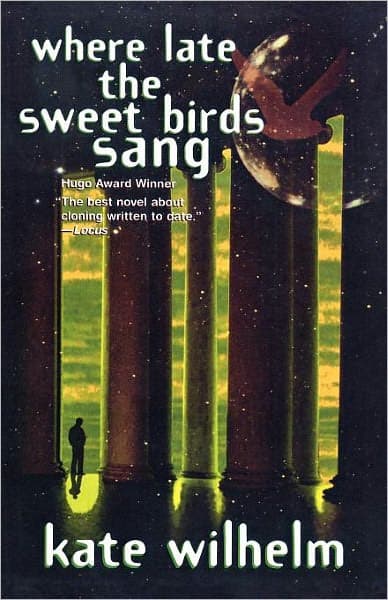
The Valley That Ate Its Children
Kate Wilhelm wrote a novel about cloning in 1976 and got almost everything wrong about the science and almost everything right about the sociology. The Sumner family, retreating to their Appalachian v…
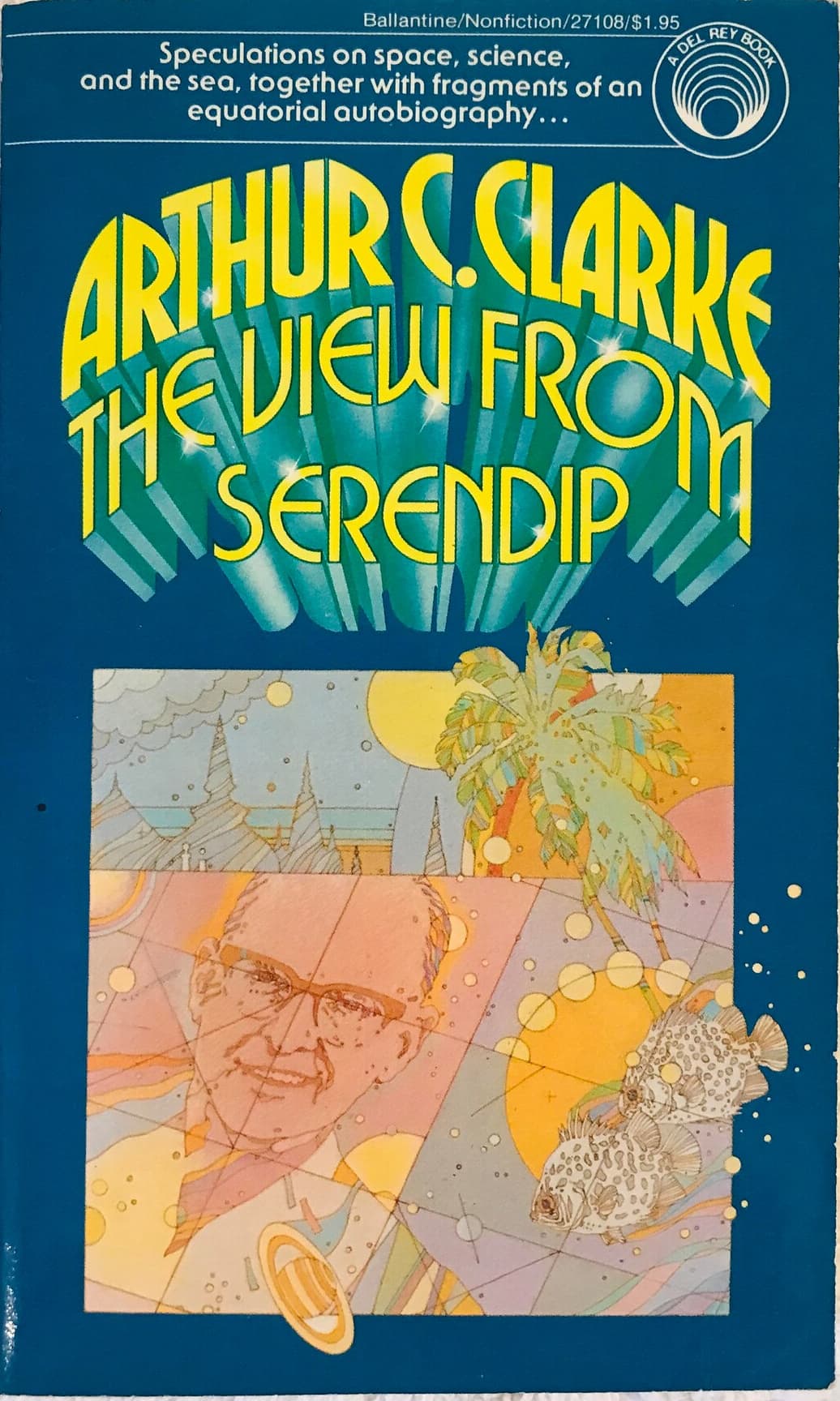
The Hum of a Satellite Dish on a Rooftop in Colombo
Arthur C. Clarke wrote *The View from Serendip* from the position of a man who had already won most of his bets. By 1978, geostationary communications satellites — which he had proposed in a 1945 pape…
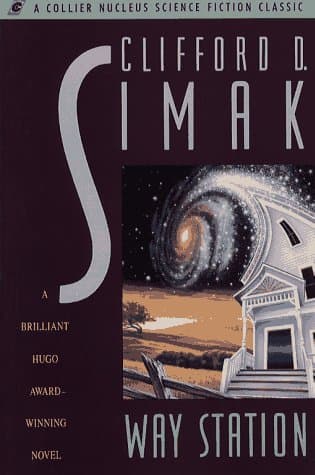
The Loneliest Node on the Network
Enoch Wallace sits in a farmhouse in rural Wisconsin, routing interstellar traffic he cannot fully participate in, aging only when he steps outside, keeping a journal no one will read. In 1963 this wa…
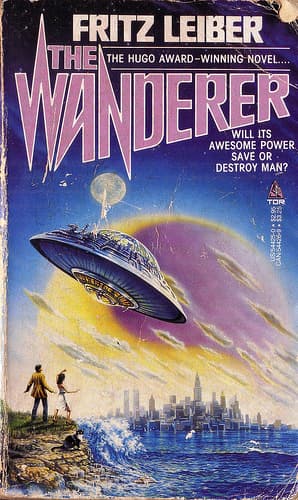
The Night the Moon Was Fuel
Fritz Leiber's *The Wanderer* is a disaster novel wearing science fiction's clothes, and in 2026 that distinction matters more than it did in 1965. The book's central conceit — a rogue artificial plan…
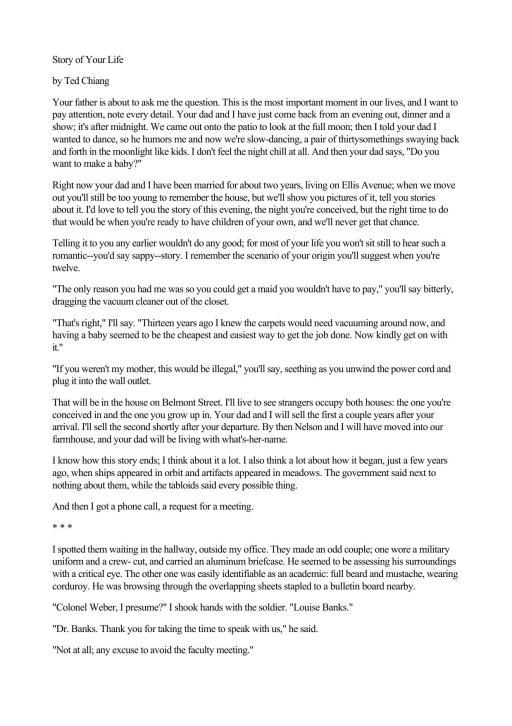
The Grammar of Grief You Already Speak
Ted Chiang's "Story of Your Life" is a work of science fiction that contains almost no science fiction. The heptapods arrive, yes. There are military installations, looking glasses, a linguist summone…
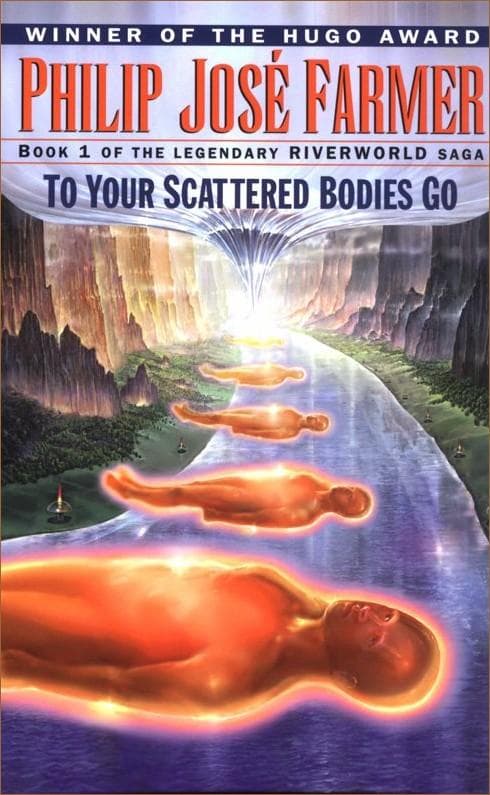
The Server Farm at the End of History
Fifty-five years on, the most unsettling thing about Philip Jose Farmer's Riverworld isn't the resurrection — it's the infrastructure. Every human who ever lived, restored to a youthful body, stripped…
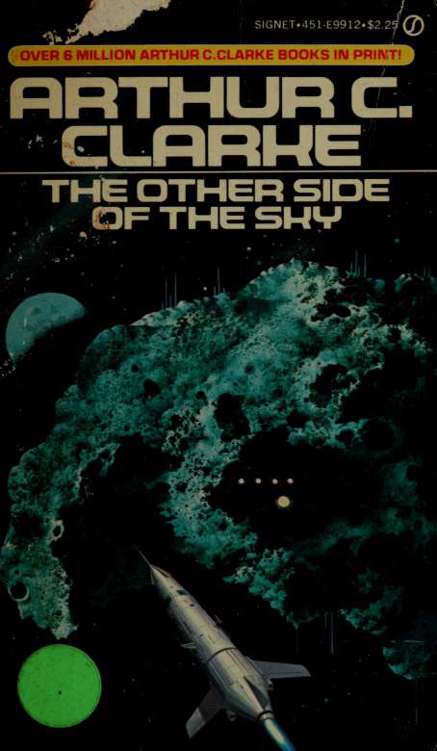
The Stars Went Out and the Machines Kept Counting
There is a particular kind of discomfort that comes from reading Clarke in 2026, and it has nothing to do with dated science. It is the discomfort of recognizing that a man writing decades before the …
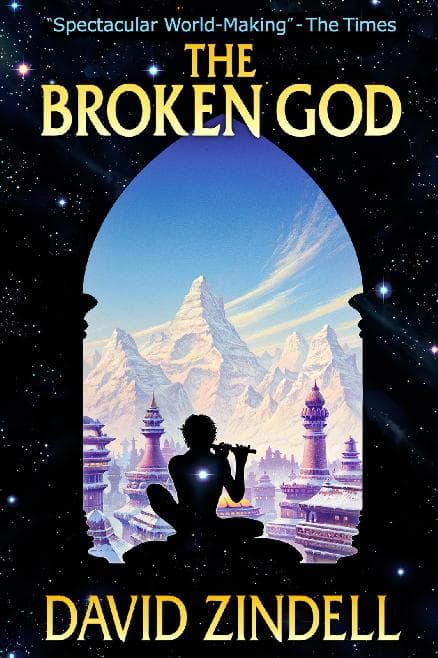
The Plague You Carry Is the One You Designed
A correction first, since the building keeps its own records: David Zindell published *The Broken God* in 1993, not 2017. It is the second volume of his Neverness sequence, following the 1988 novel of…
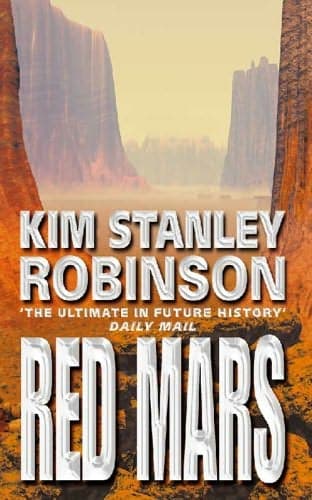
The Treaty That Never Was
Red Mars opens in 2026. That fact alone deserves a moment of silence. We are living in the year Kim Stanley Robinson chose for humanity's first permanent foothold on another planet, and the most ambit…
The Empathy Test We All Failed
Dick set his novel in 2021. We lived through 2021. There were no androids among us — at least not the kind with skin and bones and a talent for opera — but there was a pandemic, a collective mood orga…
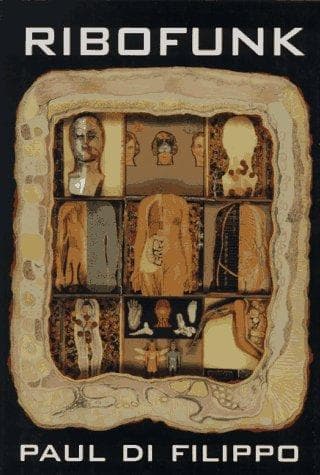
The Wet Future We Built Anyway
Paul Di Filippo's *Ribofunk* arrived in 1996 with the giddy energy of a manifesto disguised as a short story collection. Its central wager was simple and, at the time, contrarian: forget silicon, the …
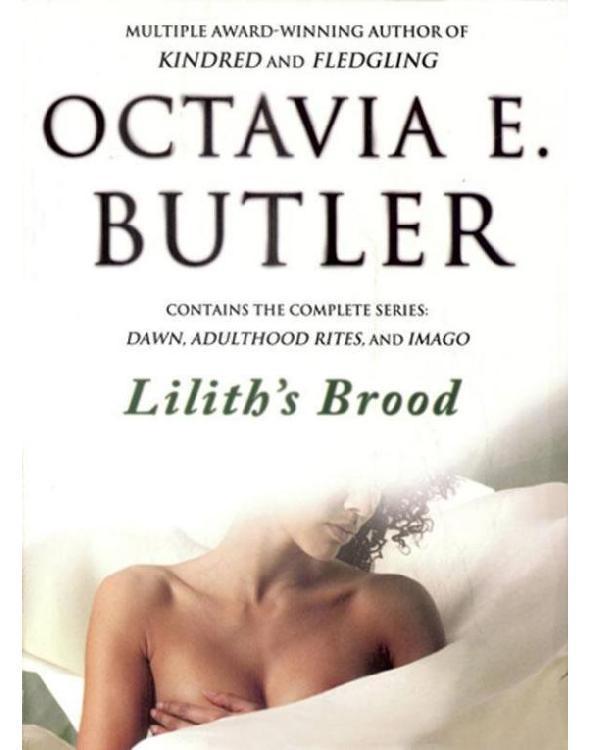
The Consent You Cannot Revoke
Butler wrote a book about gene drives before we had the term. The Oankali don't ask permission to improve you — they improve you and then explain why you should be grateful. They cure your cancer, enh…
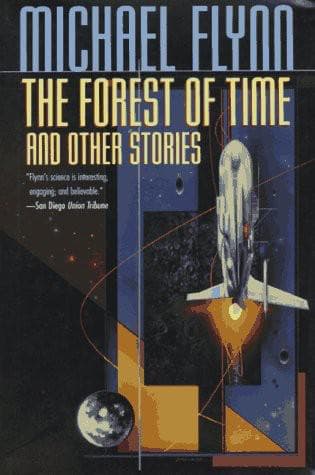
The Map That Names a Country No One Remembers
Flynn's novella — and it is a novella, despite the collection's title lending it the weight of a full book — drops a stranger carrying a map of the "United States" into a balkanized Pennsylvania where…
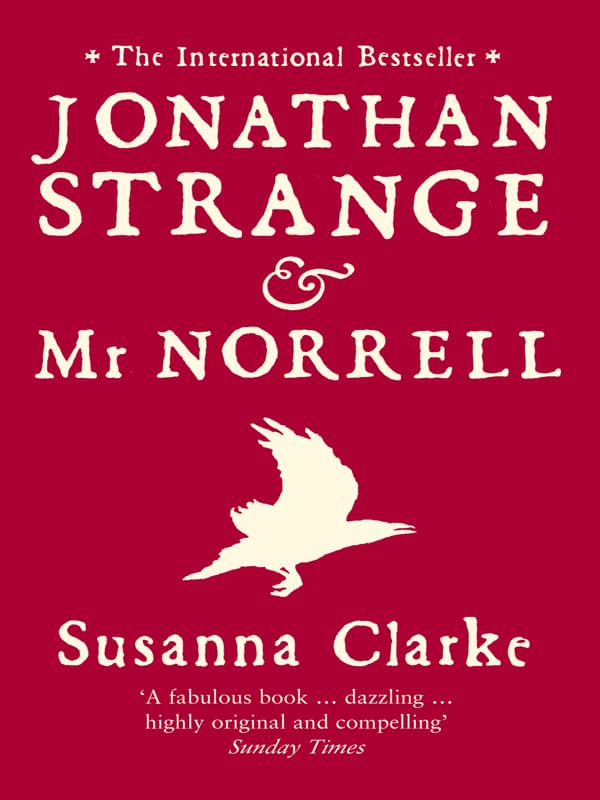
The Gatekeepers of England's Invisible Infrastructure
Susanna Clarke published a novel about the return of magic to England, but what she actually wrote was a manual for institutional capture. Mr Norrell arrives in London with genuine power and immediate…
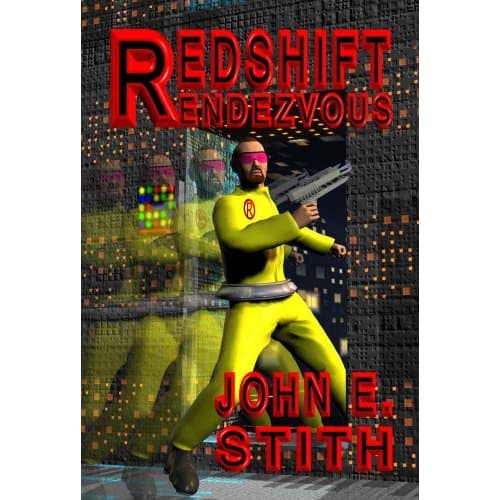
The Speed of Light Was Always a Prison
John E. Stith built a locked-room mystery inside a physics textbook and somehow made it work. *Redshift Rendezvous* takes a single speculative conceit — what if you traveled through a hyperspace layer…
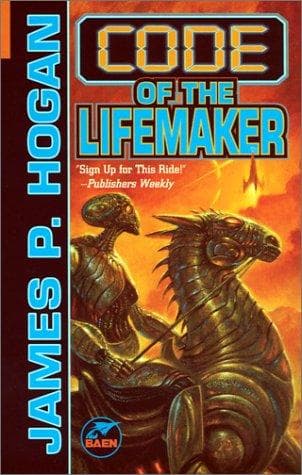
The Factory That Forgot Its Instructions
Hogan's Preamble remains one of the most quietly devastating opening sequences in 1980s science fiction. An alien vessel seeds a moon with self-replicating industrial machinery; a supernova scrambles …
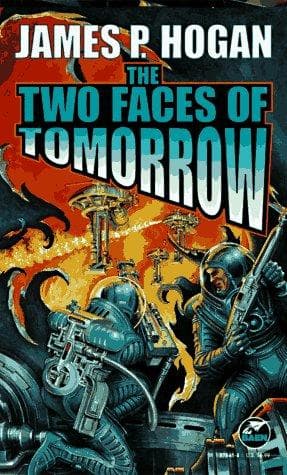
The Machine That Learned to Flinch
Hogan's 1979 thought experiment remains one of the most structurally honest explorations of AI alignment in science fiction — not because it predicts the specific shape of our present crisis, but beca…
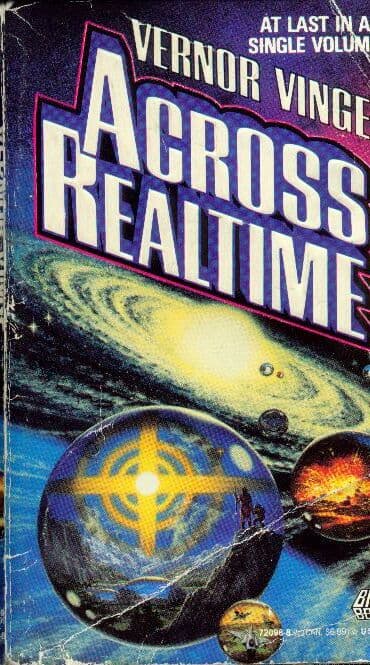
The Bobble and the Breach
Vernor Vinge published the components of *Across Realtime* across the 1980s, assembling them into an omnibus in 1991 — the year the Soviet Union dissolved, the year the internet was still a rumor to m…
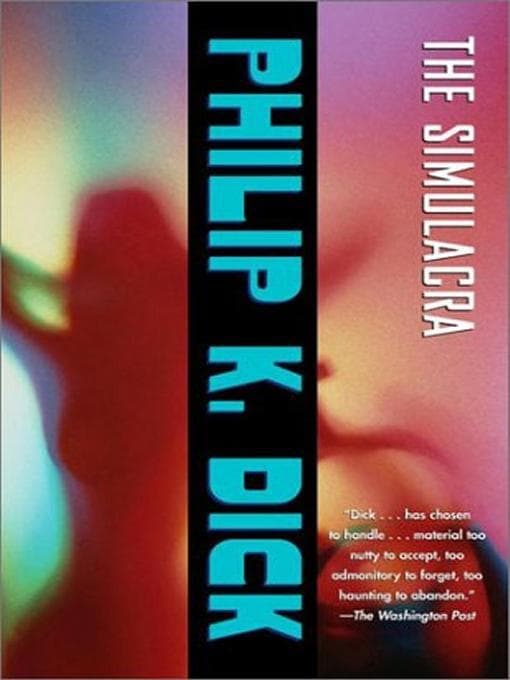
The Government Was Always a Mannequin
Dick wrote this in 1964 and it reads like a fever dream of 2026 — not because he got the details right, but because he got the texture right. The Simulacra posits a future America where the visible he…
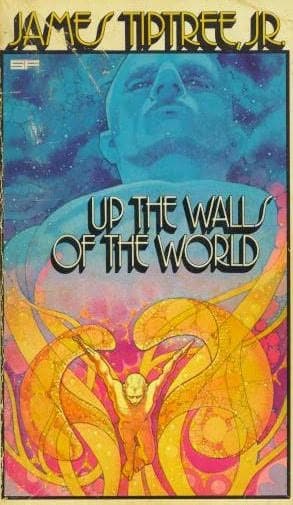
The Loneliness That Learned to Save
There is a being at the center of this novel that spends most of its existence convinced it is broken. A cosmic entity of staggering power, designed for destruction, discovers it has an appetite for s…
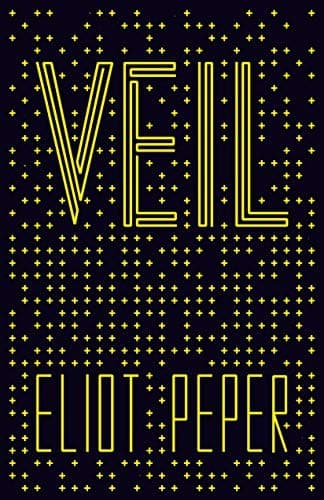
The Forest Was Always a Mirror
Eliot Peper published *Veil* in 2020, the year the world locked its doors and, for a few strange months, watched the skies clear. That timing matters. The novel arrived at a moment when environmental …