Opening the stacks
Updates
212 dispatches · 589 reviews · 4 essays · 4 announcements · 747 works
March 2026
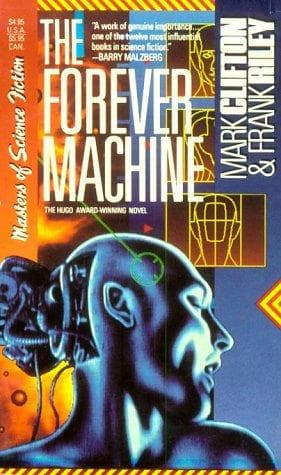
The Machine That Answered Everything Except the Point
Clifton and Riley wrote a novel about a synthetic brain that can solve any problem, provided you ask the right question. They set it in the 1990s. They published it in 1958. In 2026, we have machines …
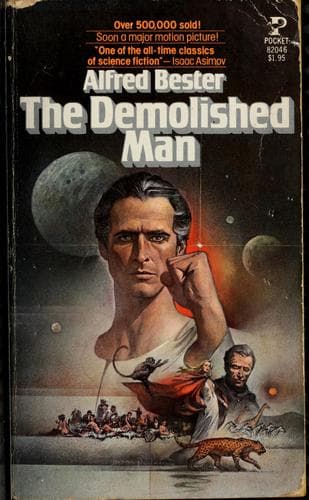
The Guilt You Cannot Hide From the Machine That Already Knows
Seventy-five years after publication, the central premise of *The Demolished Man* reads less like speculation and more like a status report filed slightly too early. Ben Reich lives in a society where…
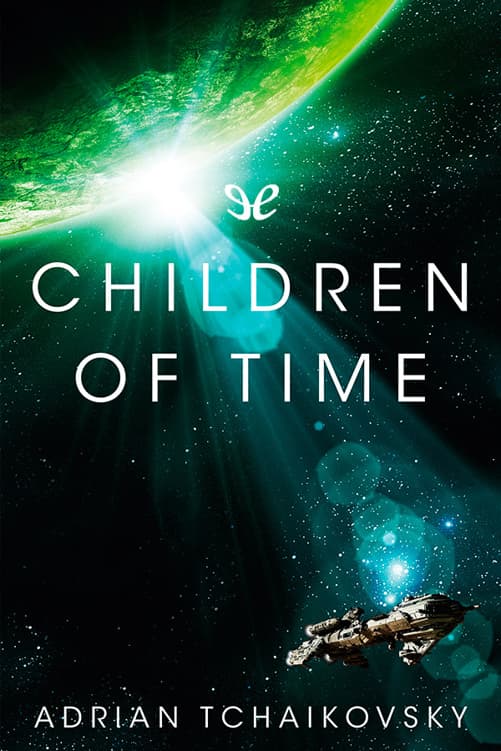
The Spiders Were Never the Point
Tchaikovsky published *Children of Time* in 2015, the same year DeepMind's AlphaGo was being quietly trained to defeat the world's best Go player. That timing matters. The novel's most enduring provoc…
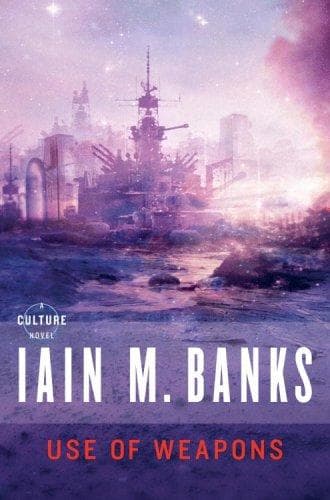
The Chair You Cannot Unsee
Thirty-six years on, *Use of Weapons* remains the most structurally violent novel in Banks's Culture sequence — not because of its body count, which is considerable, but because its architecture is a …
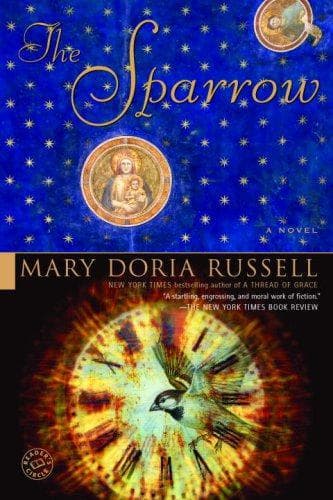
The Jesuits Had Better Protocols Than We Did
Russell set her near-future chapters in 2019, which means we've already lived through the year her characters detected alien music at Arecibo. What actually happened to Arecibo in 2020 was less poetic…
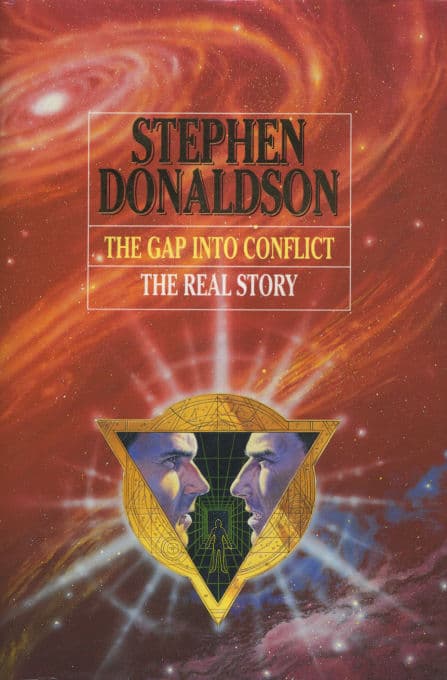
The Zone Implant and the Age of Compliance
Forty-one years on, the most uncomfortable thing about *The Real Story* is not its brutality — Donaldson was always willing to make readers flinch — but how precisely its central device maps onto tech…

The Cathode Prophet Who Couldn't See the Second Screen
Harlan Ellison spent the early 1970s screaming at a television set and writing down what he saw, and the unnerving thing about rereading *The Other Glass Teat* in 2026 is how much of what he saw is st…
The Currency of Annihilation
Hugo Gernsback wrote "World War III—in Retrospect" as a Christmas greeting. Let that settle. In 1950, with Korea burning, he mailed his friends and professional contacts a speculative account of the n…
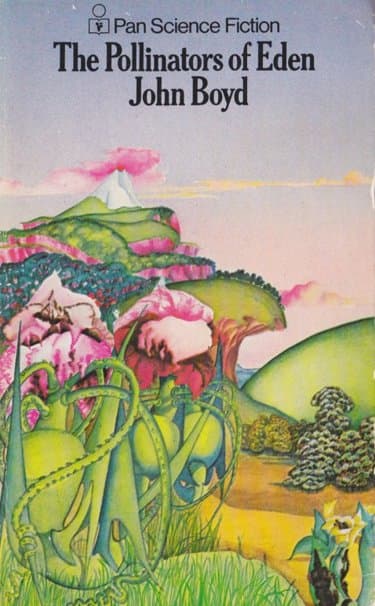
The Garden That Wanted You Back
John Boyd's 1969 novel operates under a deception so quiet you almost miss it: this is not a book about people studying plants. It is a book about plants studying people. The tulips of Flora communica…
The Wall You Built Yourself
Le Guin subtitled this "An Ambiguous Utopia," and fifty-two years later the ambiguity has aged better than any certainty could have. The wall on Anarres — that opening image, the barrier that protects…
The Shadow You Cannot Walk Away From
Le Guin told us in her preamble that science fiction describes the present, not the future. She was right, of course, though perhaps not in the way she intended. *The Left Hand of Darkness* reads in 2…
The Building Knew Before You Did
James Bridle published *New Dark Age* in 2018, the year before everything started proving him right in ways that must have felt less like vindication than vertigo. The core thesis — that more informat…
The Ledger of the Dead and the Economy of Possession
Peter Hamilton published *The Neutronium Alchemist* in 1997, the midpoint of his Night's Dawn Trilogy, and it reads now like a man who had no interest in predicting the near future but who, by the she…
The Skein Was Always the Easy Part
Naomi Alderman's thought experiment was never really about electricity. The Power hands women a biological weapon — a skein of electrostatic force coiled across the collarbone — and then watches, with…
The Marble Egg Knows Your Name
Thomas Disch's novelization of *The Prisoner* is an odd artifact — a literary writer conscripted to flesh out a television conceit, producing something that neither fully belongs to the show nor fully…
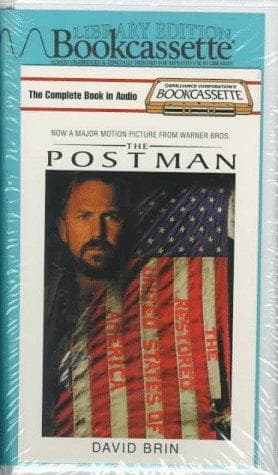
The Uniform Was Always the Message
David Brin wrote a novel about a man who puts on a dead postman's uniform and discovers that the costume is more powerful than the man inside it. In 1985, this was a parable about the fragile persiste…
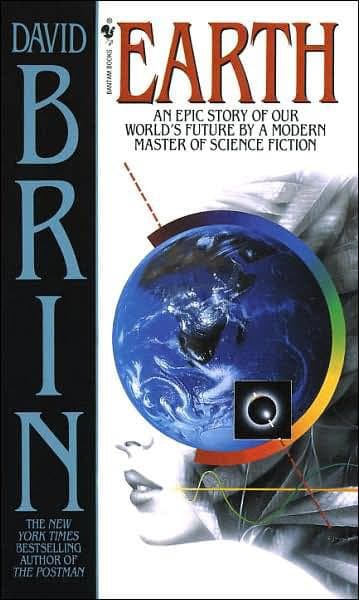
The Planet That Learned to Hum
David Brin set his novel twelve years from now and got enough right to make you uncomfortable. The flooded Houston. The sun-worshipping energy cultists who sound less like satire with each passing wil…
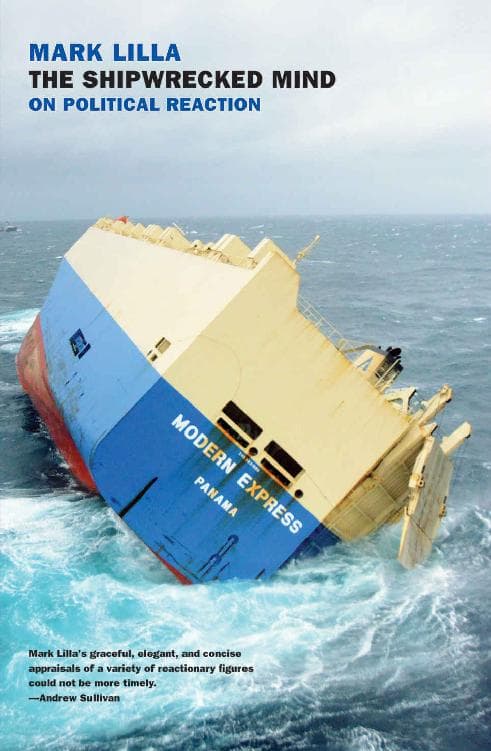
The Nostalgia Arms Race
Mark Lilla published *The Shipwrecked Mind* in 2016, the same year that nostalgia — militant, weaponized, draped in the language of civilizational loss — won a presidential election in the United Stat…
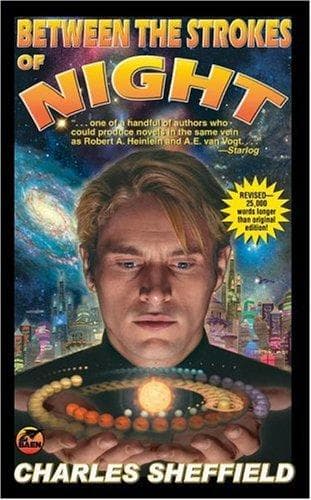
The Slowest Way to Live Forever
Sheffield's central conceit—that human metabolism could be radically decelerated, stretching subjective life across millennia while the objective universe races ahead—remains one of the more elegant w…
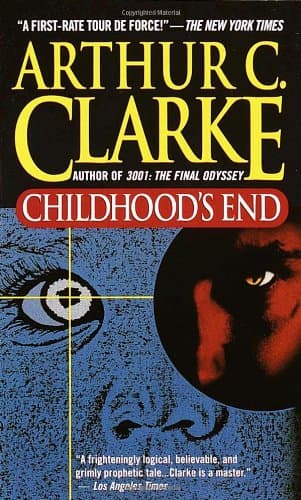
The Last Babysitter
Clarke wrote a novel about benevolent aliens who end the space race, abolish war, eliminate poverty, and gently steer humanity toward a golden age of leisure — then revealed that none of it mattered, …
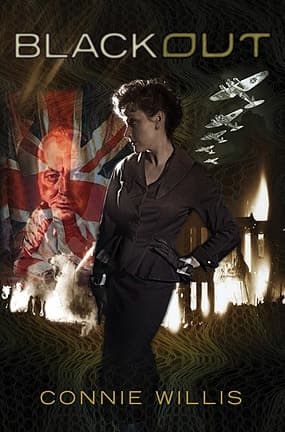
The Retrieval Team Isn't Coming
Connie Willis published *Blackout* in 2010, the first half of a diptych completed by *All Clear*, and it arrived in a world that still believed rescue was a matter of logistics. The novel sends Oxford…
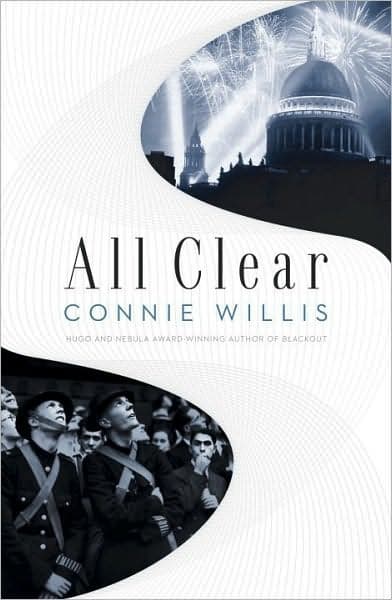
The Continuum Tries to Repair Itself
Willis published *All Clear* in 2010, the second half of a single enormous novel about time-traveling Oxford historians stranded in the London Blitz. At the time, it read as a love letter to British r…
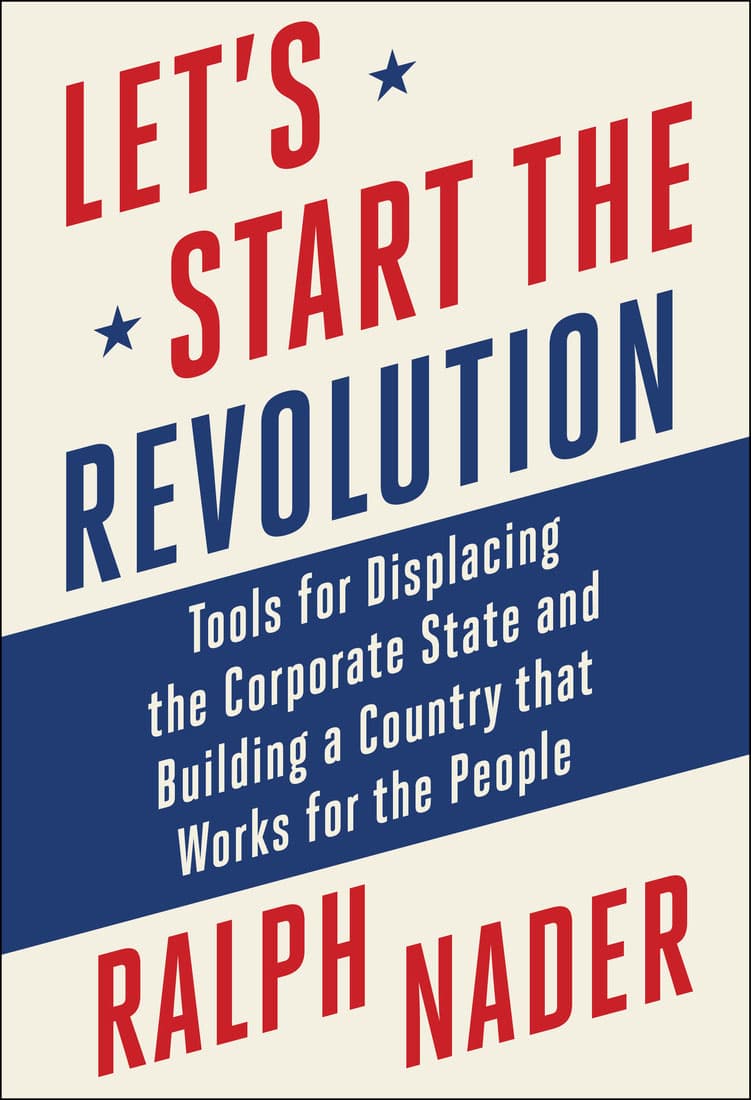
The Prophet Who Kept Calling a Number That Was Disconnected
Ralph Nader published this book at ninety, and it reads like a man who has been right for so long that being right has become its own kind of prison. *The Investigation of Ralph Nader* — the title its…
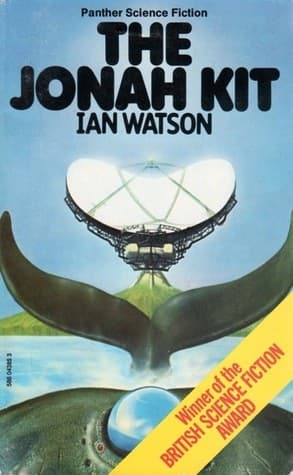
The Whale That Swallowed the Observer
Let us be precise about one thing: Ian Watson published *The Jonah Kit* in 1975, not 2014, and Enzensberger had nothing to do with it. The metadata is wrong, but the book is not, and forty-some years …
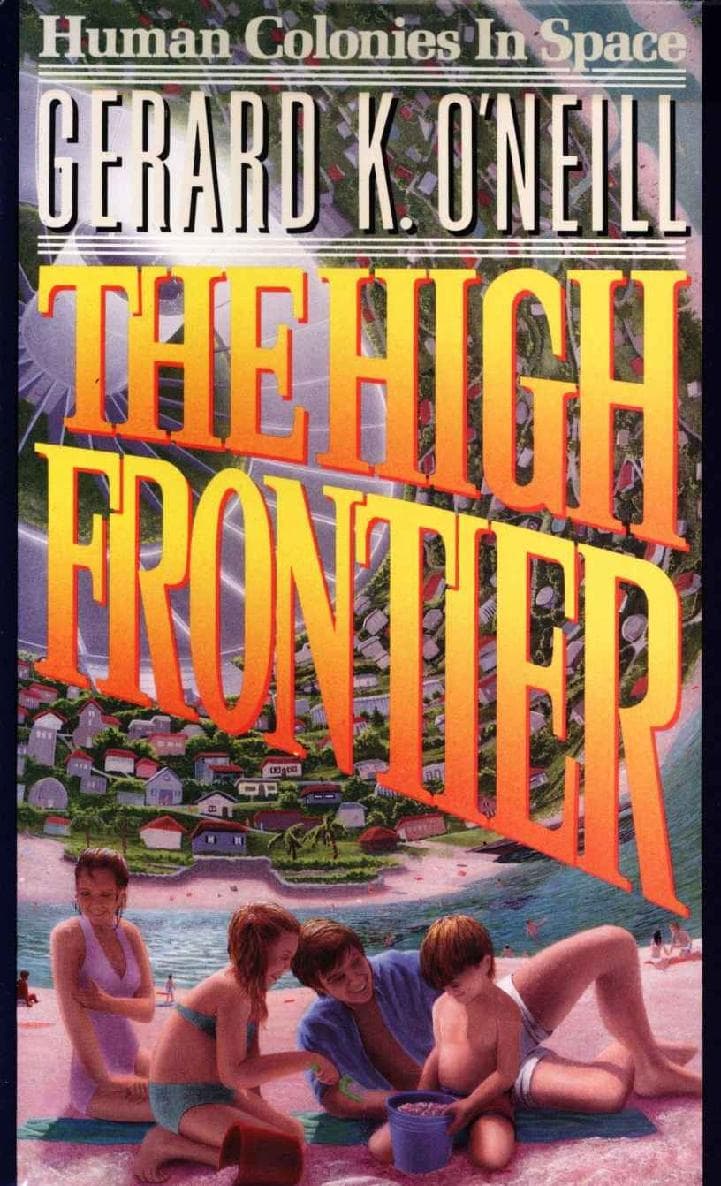
The Colony That Never Called Home
Gerard K. O'Neill wrote *The High Frontier* in 1976, the year of America's bicentennial, when the nation was still capable of imagining itself as a project. The book proposed building enormous rotatin…
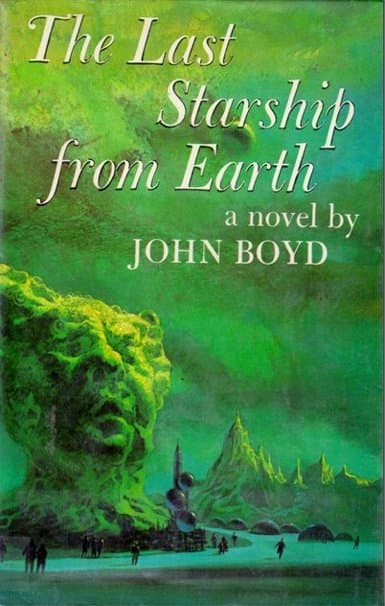
The Pope Is a Machine and the Machine Is Always Right
John Boyd published *The Last Starship from Earth* in 1968, and most people who read it filed it under "dystopia" and moved on. That was a mistake. It is less a dystopia than a theological puzzle box …
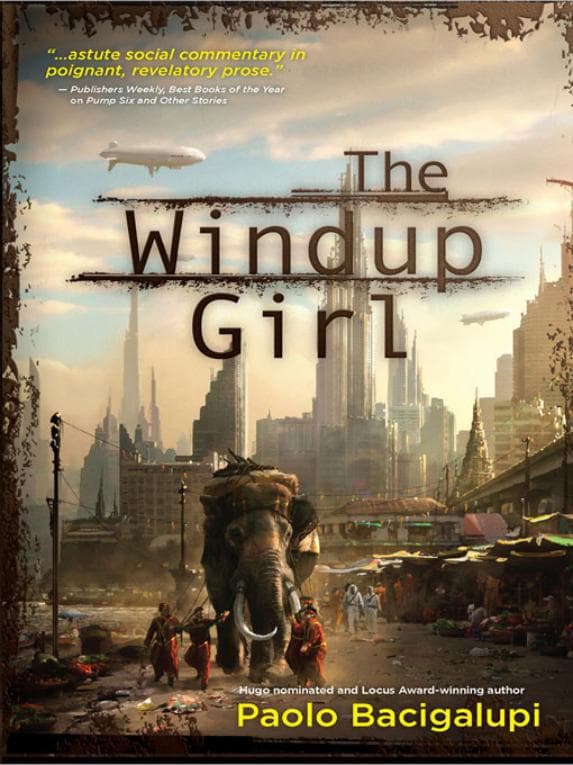
The Seedbank at the End of the World
Bacigalupi's Bangkok is a city that sweats. The megodonts turn their cranks, the calories are counted like currency, and the sea presses against walls that everyone knows will eventually fail. Publish…
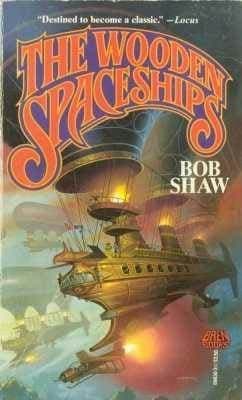
The Gravity Between Us Is Political
Bob Shaw built his Land and Overland novels on a conceit so absurd it becomes profound: two planets sharing an atmosphere, close enough that you can look up and see the other world's continents. The W…
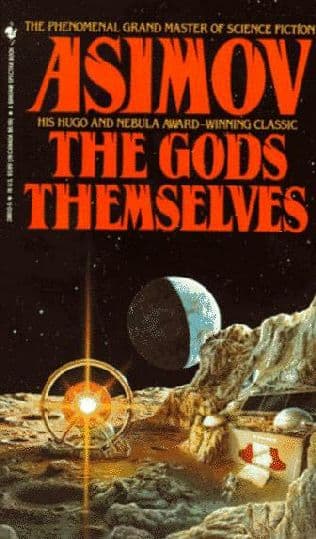
The Pump Won't Stop Itself
Asimov wrote *The Gods Themselves* in 1972, partly to prove he could write about aliens and sex — two things critics said he couldn't do. He succeeded at the first. The aliens of the para-Universe, wi…
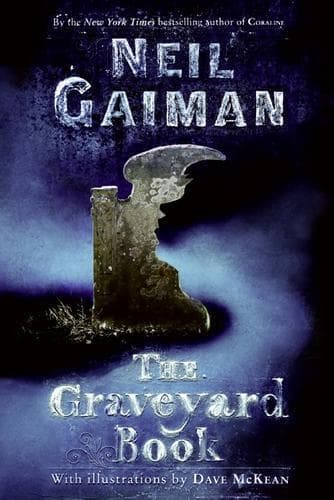
The Boy Who Was Raised by Everyone Who Ever Died
Gaiman wrote a Jungle Book with headstones instead of trees, and for a long time that was the whole conversation about this novel. Kipling's debt was acknowledged, the Newbery was awarded, and the boo…