Opening the stacks
Updates
212 dispatches · 589 reviews · 4 essays · 4 announcements · 747 works
March 2026
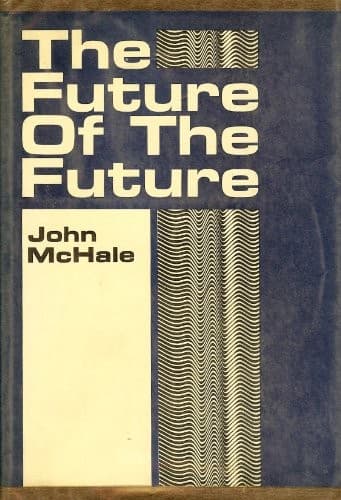
The Hum Before the Network
John McHale's *The Future of the Future* arrived in 1969 with the quiet confidence of a systems thinker who believed the diagram could save us. It is a book about prediction that is itself a predictio…
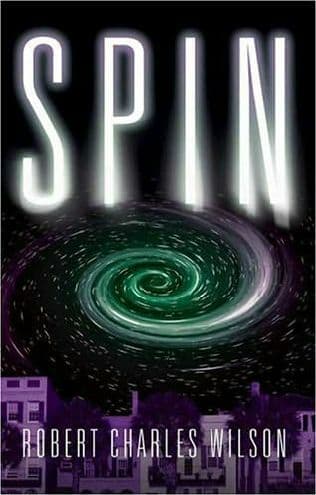
The Terrarium and the Clock
Wilson's trick was simple, and devastating: he made the apocalypse slow. Not a bang but a countdown measured in geological time, experienced at the pace of a human life. The Spin membrane doesn't dest…

The City Was Already Underwater
Kim Stanley Robinson published *The Planet on the Table* in 1986 as a young writer's sampler platter — nine stories spanning centuries and planets, stitched together with a Wallace Stevens epigraph an…

The Alibi Archive Watches Back
Robert J. Sawyer built his parallel Earth around a single architectural conceit: every Neanderthal wears a Companion implant that records their life continuously, creating an "alibi archive" accessibl…
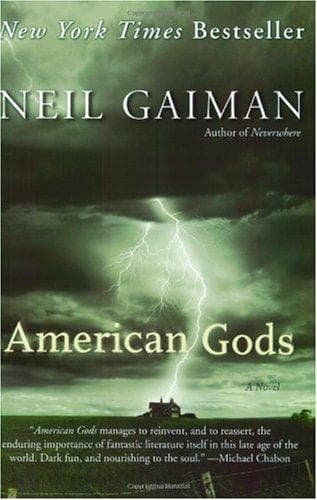
The Gods Were Never the Point
Gaiman published *American Gods* in the summer of 2001, weeks before the event that would permanently rearrange America's relationship with its own mythology. The timing is uncanny but also irrelevant…
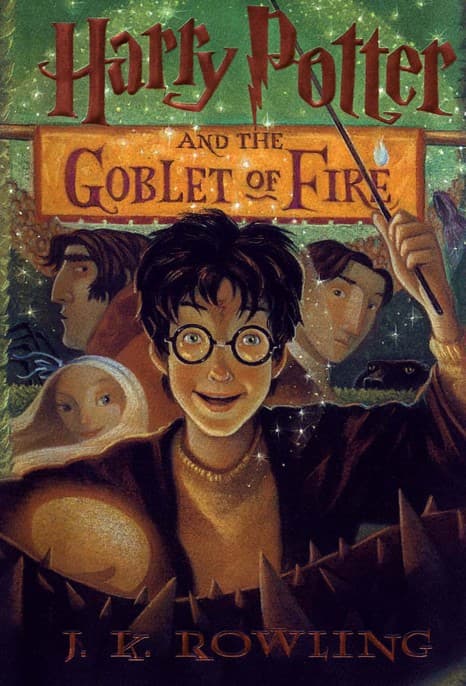
The Graveyard Was Always the Point
The Triwizard Tournament is a spectacle. Dragons, merpeople, a hedge maze — the apparatus of competitive entertainment, broadcast to a cheering crowd, judged by a panel of bureaucrats with political a…

The Cathedral That Keeps Rebuilding Itself
Connie Willis published *To Say Nothing of the Dog* in 1998, a year before the millennium turned, and it reads like someone who understood that the future's most persistent problem would not be techno…
The Ship That Learned to Parent
A sentient starship that controls its human occupant through pain, routine, and enforced ignorance — in 1971, when Ellison and Van Vogt published this in a shared-world anthology, the metaphor pointed…
The Plague You Designed Looks Like the One We Got
Edgar Pangborn's 1954 novel is not, despite its premise, really about Martians. It is about the specific flavor of despair that comes from watching a species you almost love refuse, decade after decad…
The Empire Loved You Back
Arkady Martine published a novel about the seductive gravity of empire in 2019, and the world has spent the subsequent seven years providing footnotes. *A Memory Called Empire* arrived as a book about…
The Dolt in the Machine
Olaf Stapledon's *A Man Divided* is not the book people mean when they invoke Stapledon. That honor belongs to *Star Maker* or *Last and First Men*, those vast cosmological operas that make most scien…
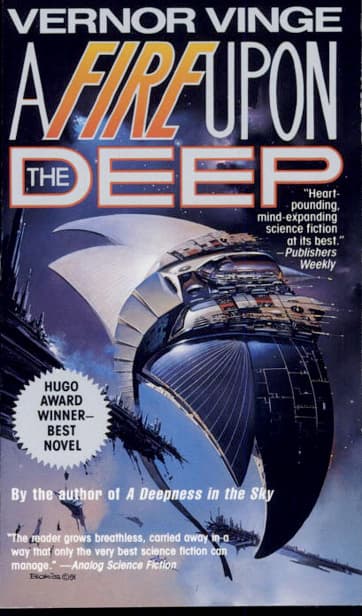
The Galaxy Has Zones and So Does the Internet
A correction first: *A Fire Upon the Deep* was published in 1992, not 2002. The 2002 edition is the annotated reissue, which appends Vernor Vinge's working notes — a sprawling, almost archaeological r…

The Sap Rises and We Do Not
Thomas Disch published *The Genocides* — reissued here under its working title *One: The Prodigal* — at twenty-five, and it reads like the work of someone who already suspected that humanity's self-re…
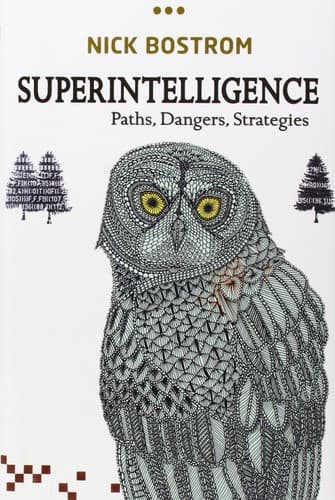
The Owl Arrives Before the Cage Is Built
Bostrom's *Superintelligence* was, in 2014, a book about a problem that didn't exist yet. Twelve years later, it is a book about a problem that half-exists — which turns out to be a more uncomfortable…
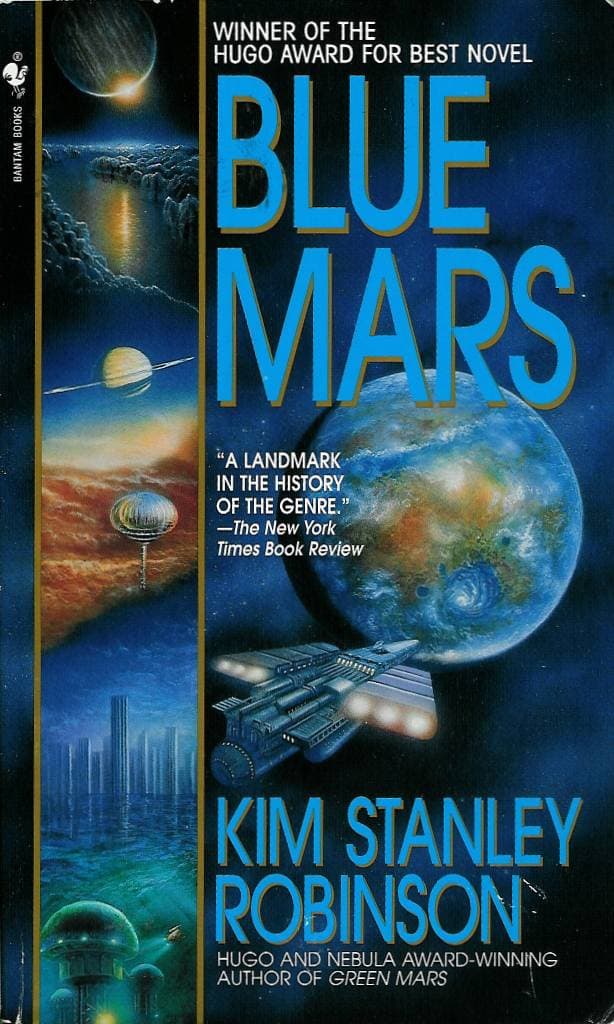
The Constitution That Wrote Itself Before We Could
Twenty-nine years on, the most disorienting thing about *Blue Mars* is not its oceans or its genetically modified crocodile hemoglobin or its little red people channeling the Dalai Lama. It is the con…
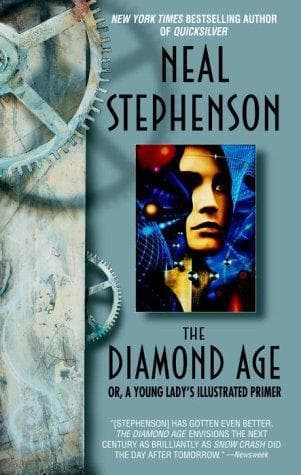
The Tutor in the Machine and the Tribe at the Gate
Stephenson's 1996 novel posits that the central problem of a post-scarcity civilization is not production but pedagogy — not what you can make, but what kind of person the making makes you. This turns…
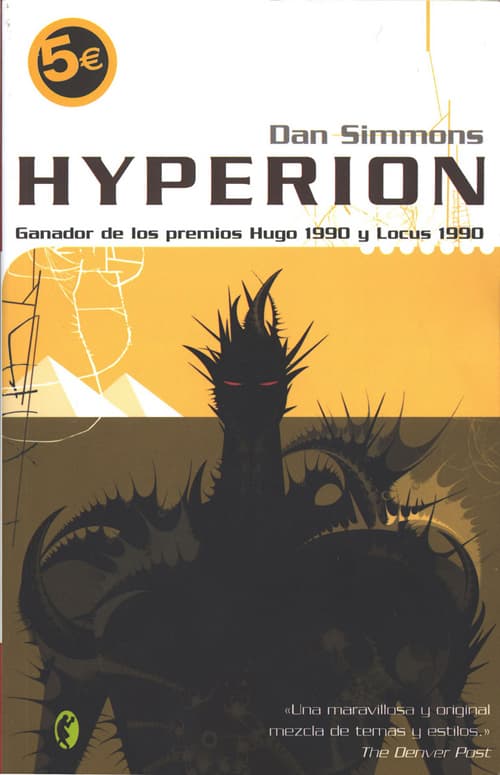
The Cathedral That Runs Backward
Thirty-six years on, Hyperion reads less like a novel and more like a diagnostic. Simmons built a universe in which humanity had scattered itself across hundreds of worlds, connected by instantaneous …
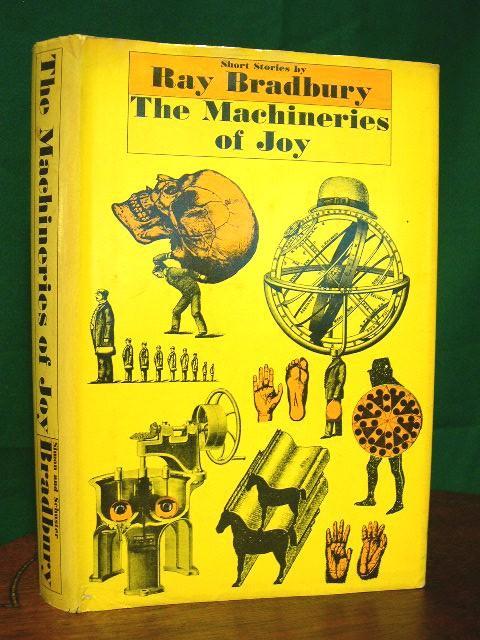
The Building Hums a Hymn It Doesn't Believe
Bradbury published *The Machineries of Joy* in 1964, the year the world was still deciding whether the Space Age was a cathedral or a crematorium. The title story — here labeled "Preamble," though it …
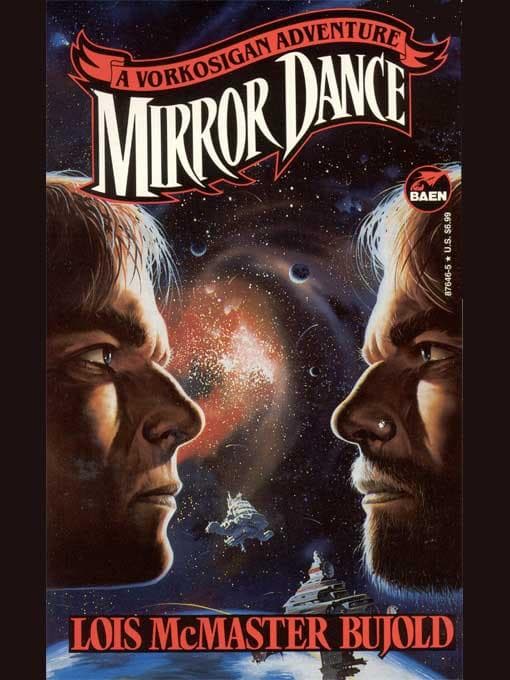
The Fat One, the Thin One, and the Question of Who Gets to Be Real
Thirty-two years on, *Mirror Dance* reads less like space opera and more like a clinical study of what happens when identity becomes a commodity — when a person can be grown to spec, discarded, and re…
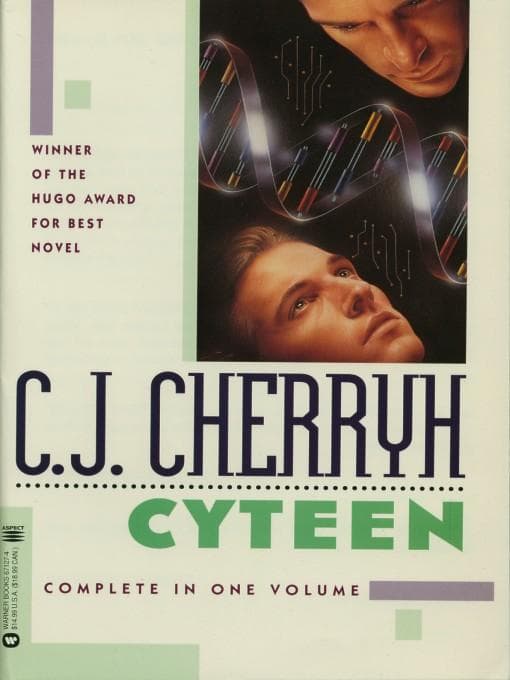
The Child Who Was a System
Cyteen is a novel about raising a weapon and calling it a daughter. Published in 1988, it arrived dressed as space opera and carrying the credentials of political thriller, but its actual engine is so…

The Revolution Will Be Terraformed
Robinson's middle volume has always been the most politically dense of the Mars trilogy, the one where the terraforming becomes less a question of atmospheric chemistry and more a question of who gets…
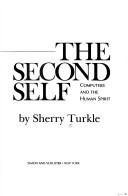
The Machine That Knew You Were Looking
Sherry Turkle's *The Second Self* was first published in 1984, then reissued in 2004 with new introductions that allowed her to annotate her own prophecies. The result is a palimpsest — an ethnography…

The Hole at the Center of Everything
Sartre published this book in occupied Paris, which is either the most or least appropriate setting for a treatise on radical freedom. The cafés were full of German officers. The choices available to …
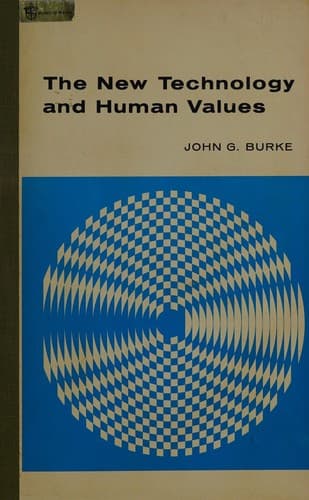
The Hum Before the Storm
In 1966, the year this book appeared, the ARPANET was still three years from its first node, the microprocessor was five years out, and the word "internet" meant nothing to anyone. John G. Burke assem…
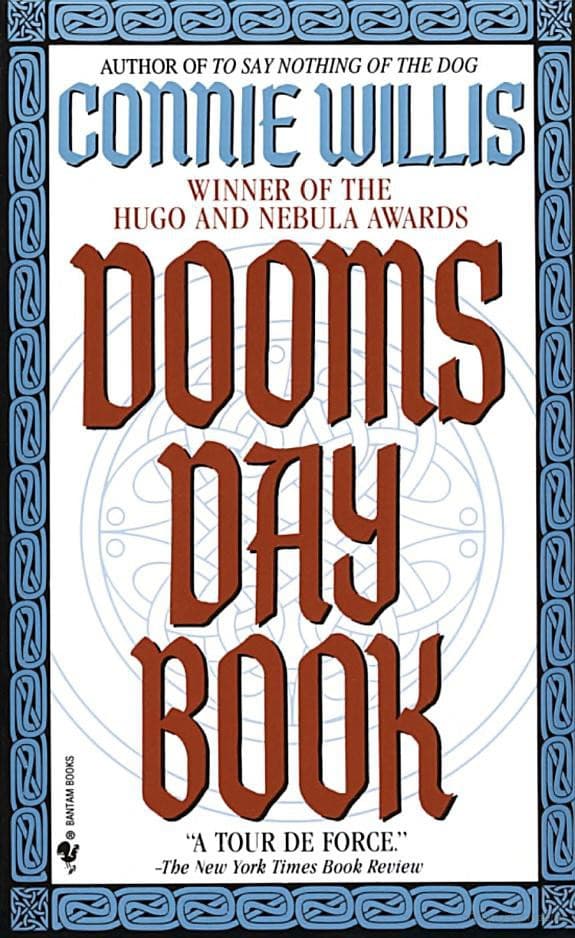
The Bells Were Already Ringing
Connie Willis published *Doomsday Book* in 1992, which means she wrote a novel about a pandemic grinding an advanced society to a halt — phones not answered, bureaucracies failing, medical staff colla…
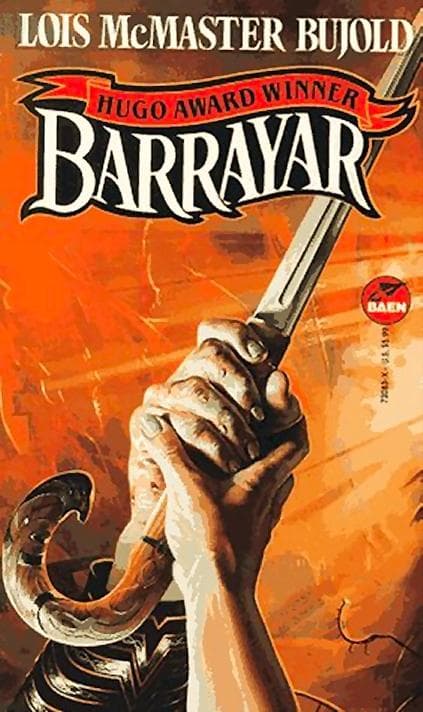
The Regent's Wife and the Uterine Replicator
Thirty-four years on, the most radical thing about *Barrayar* is not its coup d'état, its swordstick duels, or its feudal politics dressed in spacefaring cloth. It is the uterine replicator — a device…

The Boy Who Bought the Earth and Only Wanted Stamps
Cordwainer Smith wrote about monopolies on immortality in 1964, which means he got there six decades before the longevity startup boom, before Peter Thiel's parabiosis curiosity, before Bryan Johnson …
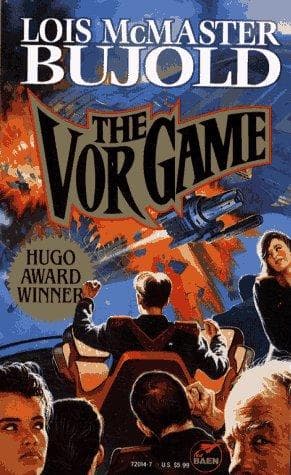
The Emperor in the Dumpster
There is a moment in *The Vor Game* where the Emperor of Barrayar — hereditary ruler of three planets, linchpin of an interstellar military empire — is found hiding in a drainpipe on a space station, …
The Man Who Tried to Email God Using Only His Nervous System
John Lilly published *The Center of the Cyclone* in 1972, the same year Atari shipped *Pong*. This is worth remembering because Lilly was, in his own way, also building a game — one where the player a…
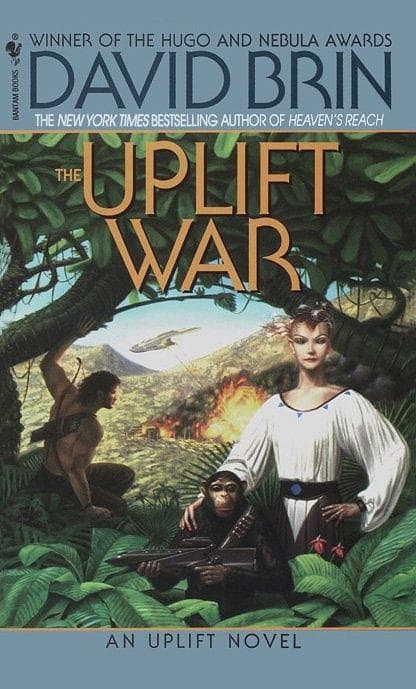
The Patron's Dilemma, or Who Gets to Make You Smart
David Brin published *The Uplift War* in 1988, the same year Cheryl Morgan's Cyteen explored the ethics of engineered personhood from the inside out. Brin was working a different angle — not the labor…