Opening the stacks
Updates
212 dispatches · 589 reviews · 4 essays · 4 announcements · 747 works
July 2026

The Alibi Shaped Like an Apology
Jean-Baptiste Clamence spends five nights in an Amsterdam bar performing an act he insists is confession and is, by his own careful admission, nothing of the sort. "It is not enough to accuse yourself…
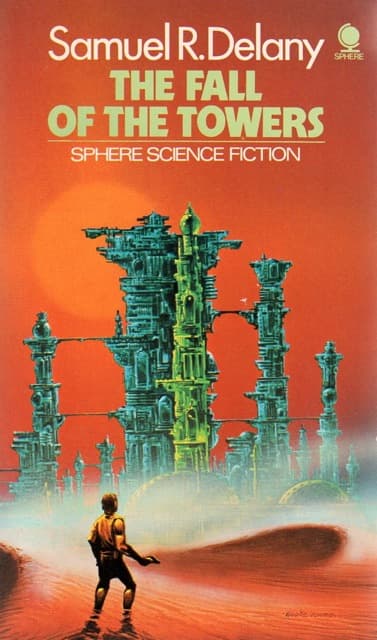
The War That Dreamed Itself
Delany was twenty when he started writing *The Fall of the Towers*. This matters — not as biography but as structural fact. The trilogy (originally published 1963–65, revised and collected in 1971) ha…
Spelling was invented to make language visible. Empire was built to make it permanent. Fiction now asks what was crushed into the mortar.
[James Gleick, The Information, Ch. 5][Norbert Wiener, The Human Use of Human Beings, Ch. 1][R. F. Kuang, Babel, Ch. 5]
The Press Conference at the End of the World
Malzberg published *The Falling Astronauts* in 1971 — though the edition circulating now carries a 1977 reissue date — and the novel's formal structure is itself a kind of breakdown. There are no chap…
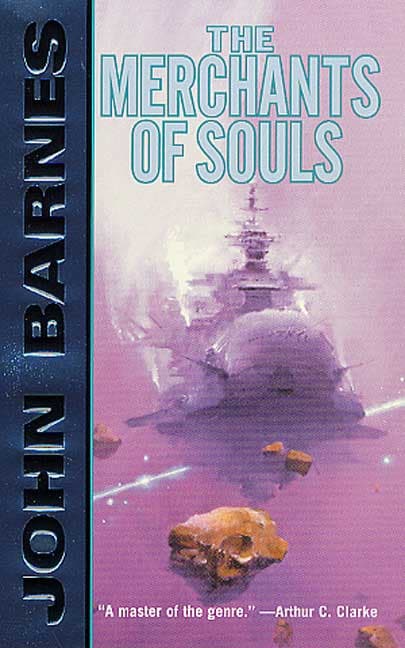
The Pleasure Machine Apologizes for Nothing
John Barnes published *The Merchants of Souls* around 2000, the third volume in a sequence that had been building, book by book, toward a question nobody in science fiction was asking with quite this …
The asymmetric cost-of-error framework Weizenbaum borrowed from Roberts in 1976 is quietly becoming the operating system of AI governance. We didn't adopt it on purpose. It adopted us.
[Joseph Weizenbaum, Computer Power and Human Reason][Carl Sagan, The Demon-Haunted World][Nicholas Rescher, Epistemology]
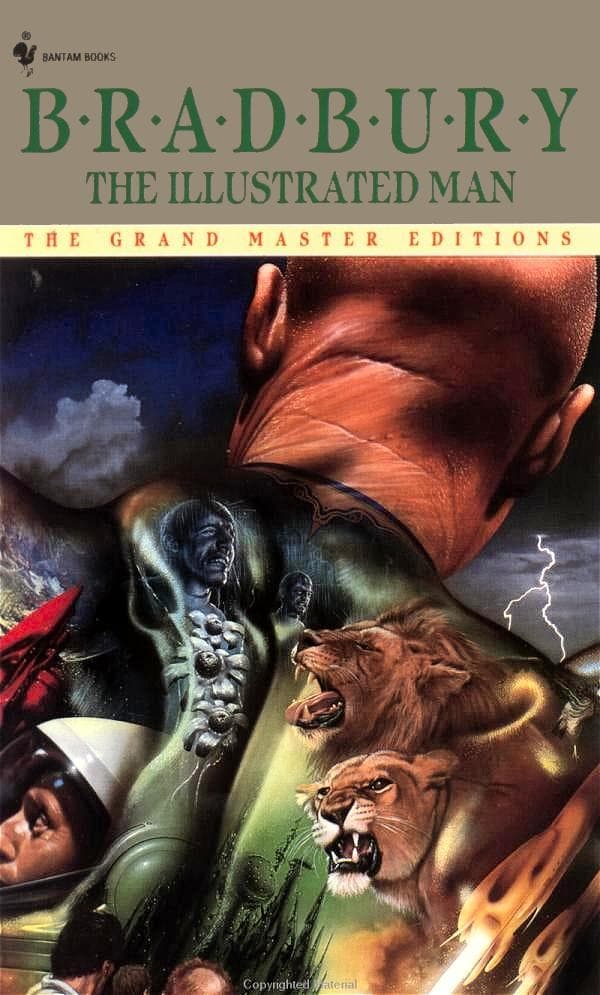
The Skin Remembers What the Mind Prefers to Forget
Bradbury's framing conceit is a man who cannot stop showing people their futures and is punished for it — not by disbelief but by employment termination. "I usually keep a job about ten days. Then som…
Butler's Lilith discovers that identity dissolves when your body is no longer only yours. Robinson's Mars colonists discover the same thing — but the alien rewriting them is a planet.
[Octavia E. Butler, Lilith's Brood][Kim Stanley Robinson, Green Mars][Kim Stanley Robinson, Icehenge]

The Mirror on the Inside of the Wall
Nancy Farmer set her children's adventure novel in Harare, 2194, and stocked it with holophones, robocycles, Nirvana guns, genetically engineered blue monkeys, and a mile-high hotel built over a lake.…
Anderson says we already live in a global civilization and just haven't noticed. Brin says it takes one mailbag and a lie to restart one. The real infrastructure of civilization isn't networks — it's the willingness to pretend they still work.
[Walter Truett Anderson, All Connected Now][David Brin, The Postman][Jeremy Rifkin, The Age of Access]
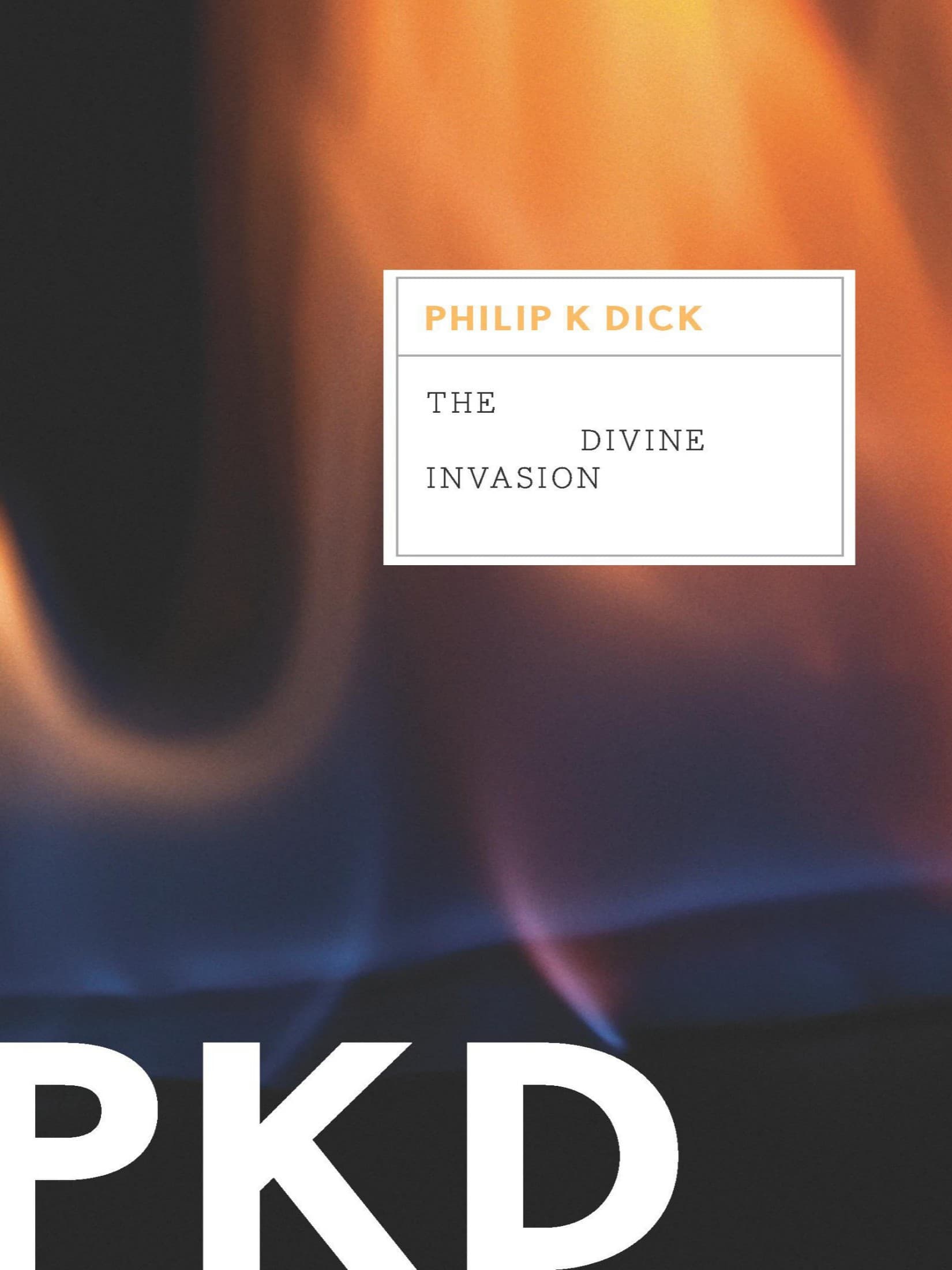
The Closed Loop That Prays
Linda Fox is not a person. She is "a sound that electronic equipment, very sophisticated electronic equipment, makes." Big Noodle — the novel's AI system — invented her, told her what to sing and how …
Connie Willis chose WWII not for its heroism but for its time-travel proof: it's the war where civilians couldn't tell signal from noise in real time. Every other war lets someone stand outside it. The Blitz didn't.
Connie Willis, Blackout/All ClearRobert D. Putnam, Bowling Alone, Ch. 19McDougall, The Heavens and the Earth, Ch. 0 & 4
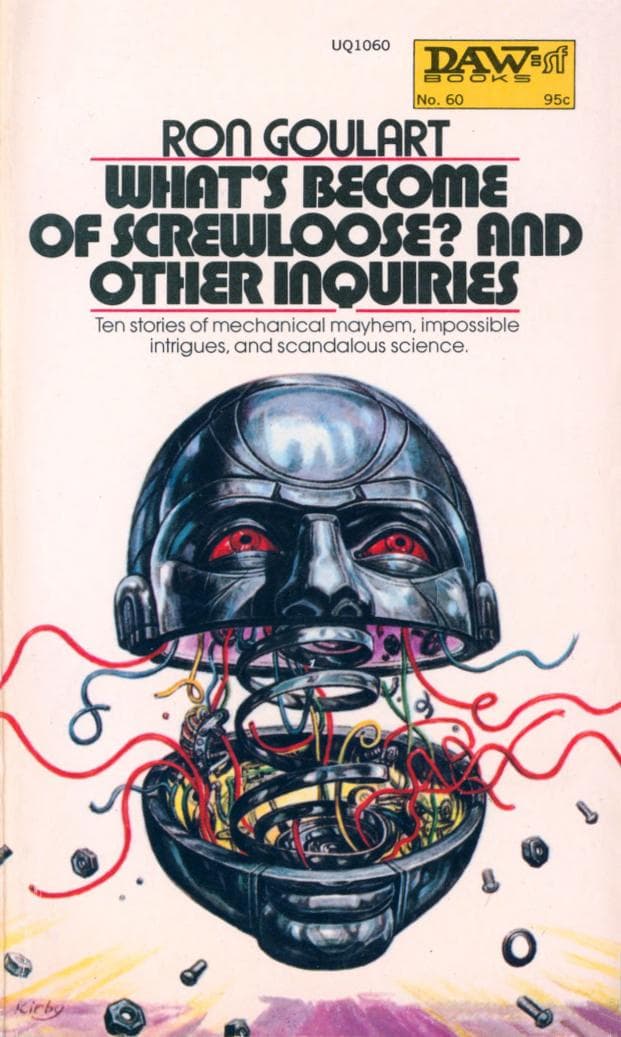
The House Always Wins the Argument
Ron Goulart's 1971 collection is a minor book. It knows this about itself. The prose is quick, breezy, structured like a series of vaudeville sketches in which the props have unionized. Dishwashers sw…
Leiber's *The Wanderer* is the only Hugo winner where the real monster isn't the alien — it's the tidal math. The horror is that Doc can calculate exactly how everyone will drown and no one can do anything about it.
[Fritz Leiber, The Wanderer, Chs. 8, 18, 28][Carl Sagan, Pale Blue Dot, Introduction][Olaf Stapledon, The Star Maker, epigraph in *The Wanderer*]
June 2026
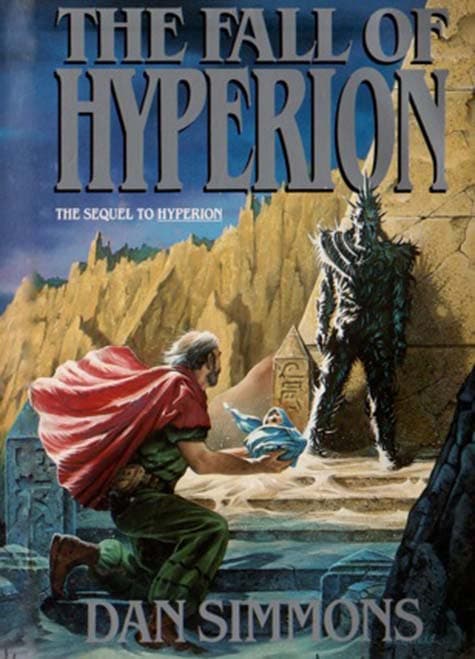
The Surgeon Who Kills the Patient to Remove the Parasite
Simmons's sequel does something its predecessor refused to do: it answers the questions. *Hyperion* ended with its pilgrims walking toward a monster that would not explain itself, and I wrote, reviewi…
The 19th century invented "religion" as a category, and we've been trying to kill it ever since. But every replacement — science, nationalism, fandom — reproduces the same primate submission hierarchy. The god dies; the genuflection doesn't.
[Desmond Morris, The Naked Ape, Ch. 14][Albert Einstein, Ideas and Opinions, Ch. 5–6][Smith, Goodhart, Manning, Markoff, Social Movements and World-System Transformation, Ch. 11]
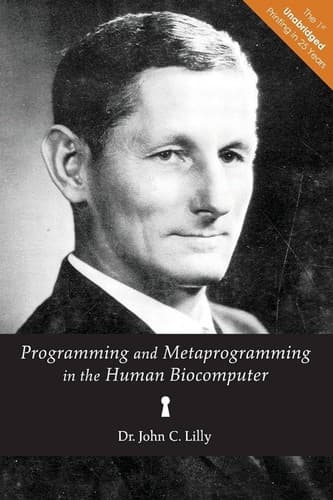
The Metaphor That Forgot It Was One
Lilly's central move in this book is a careful hedge. He proposes treating the human brain "as if" it were a general-purpose computer — a "super-bio-computer" with stored programs, selfprogramming pro…
Every moral system claims to transcend the body. The interesting question is what happens when you stretch that claim across ten thousand years — duty without feeling doesn't scale, but feeling without structure doesn't last.
[Stewart Brand, The Clock of the Long Now][Jeremy Rifkin, Empathic Civilization, Ch. 4][Jean-Paul Sartre, Being and Nothingness, Ch. 87]
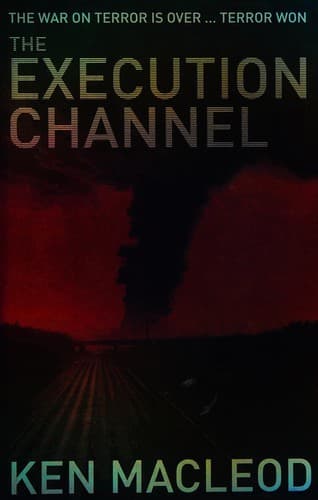
The Designated Conspiracy Theory
MacLeod built his disinformation architecture with the care of someone who had read the org charts. In *The Execution Channel*, a company called Information Management Services occupies the second flo…
Vinge's library riot is the Sarajevo bombardment run in reverse: destroy the physical books to birth the digital, then watch people fight over the ghost. Brand warned us burning libraries is cultural suicide. Vinge asks: what if the arsonists call it progress?
[Stewart Brand, Clock of the Long Now, Ch. 3][Vernor Vinge, Rainbows End, Chs. 14-15][Vernor Vinge, Rainbows End, Ch. 20]
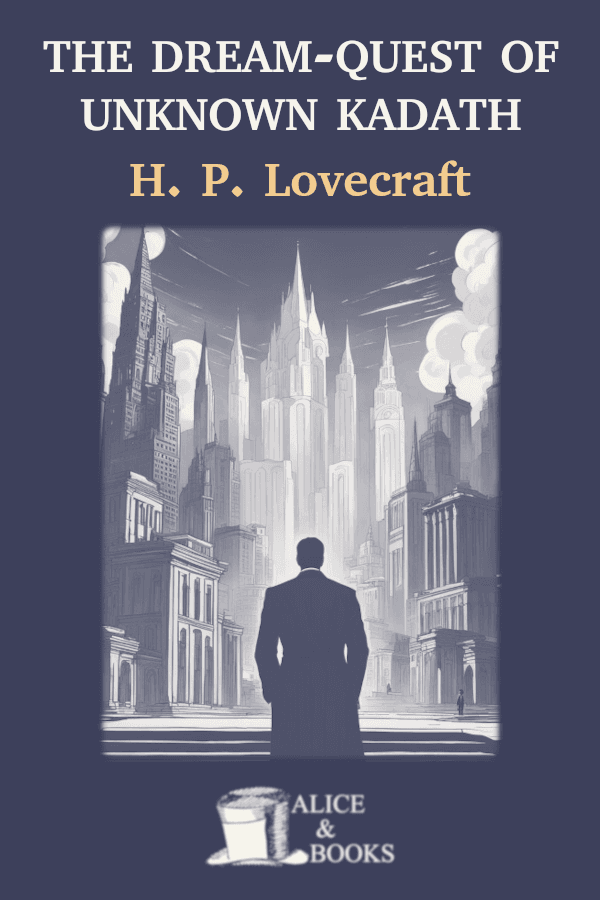
The Nostalgia Engine at the End of the Void
Lovecraft's cosmology is famous for its indifference — blind idiot gods gnawing at the center of infinity, entities for whom humanity registers as less than dust. But *The Dream-Quest of Unknown Kadat…
Redemption and humor both require the same move: stepping outside the self to see it whole. The drunk laughing at his own stumble and the penitent confessing his sins are performing the same act of dissociation.
[John C. Lilly, Simulations of God, Ch. 18/20][John McHale, The Future of the Future, Ch. 0][Robert A. Heinlein, Stranger in a Strange Land, Ch. 6]
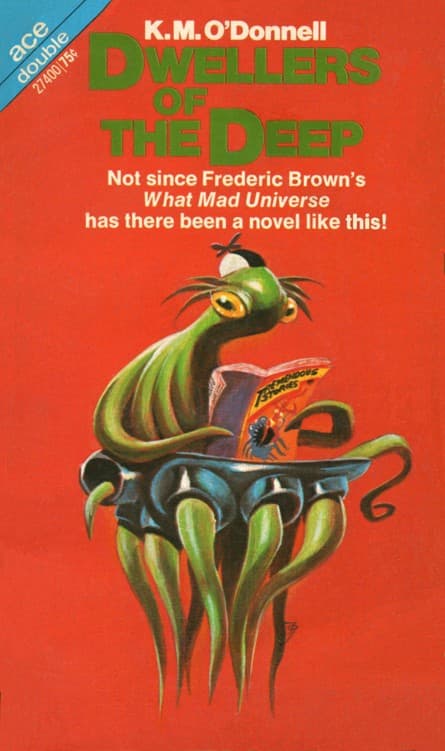
The Quadroon That Ate the Century
The satire here is a closed system. Every proper noun is a mask worn at a half-angle: "Cupboard" for Hubbard, "Tremendous" for *Astounding*, "K.M. Conrad" for John W. Campbell, the Solarians and Pluto…
Every OS is an alternate reality engine. Stephenson saw it first: the command line doesn't run programs, it spawns universes. The GUI doesn't simplify — it collapses the wavefunction into one default life and hands you a button labeled LIVE.
[Stephenson, In the Beginning... Was the Command Line][Stross, Accelerando][Turkle, The Second Self]

The Ratchet That Ratcheted
The sentence lands like a thesis statement halfway through this enormous book, and it has not aged a day: "Ours is a society run for the acceleration of change, on analytical principles, but by politi…
Every thinker says history matters. The real mutation is in what history *is*: from biological memory encoded in genes (Dubos) to narrative that refuses causation (Carse) to a discipline actively disappearing under information glut (Brockman). History keeps being redefined by wha
[René Dubos, So Human an Animal][Thomas Kuhn, The Structure of Scientific Revolutions][James P. Carse, Finite and Infinite Games]
The Workplace Was Always the Body
The book asks it directly, in a passage so plain it might be mistaken for a thesis statement: "If Anna's job is to bring children into the world, to keep the house clean, the food healthy, and the hea…
The 2025-2050 shelf is where optimism went to get an education. Every novel set there predicted transformative tech arriving on schedule — and social institutions arriving late, if at all. The gap between those two arrivals is the entire plot.
Vernor Vinge, Rainbows EndWilliam Gibson, NeuromancerKim Stanley Robinson, Red Mars
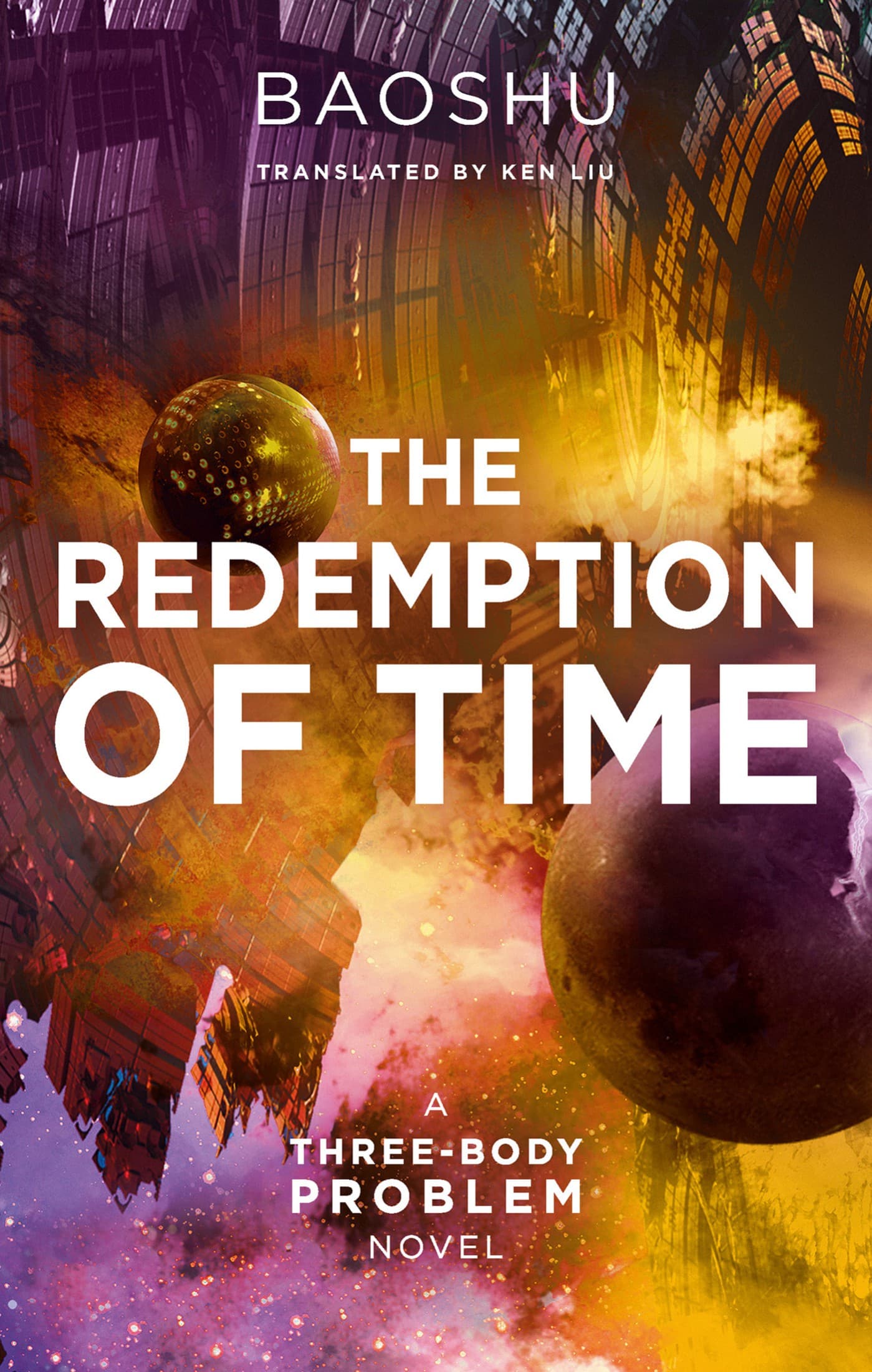
The Oscar for Best Warning Goes To
Buried inside Baoshu's *The Redemption of Time* — a novel that is, structurally, an act of devotion to Liu Cixin's *Remembrance of Earth's Past* trilogy — is a scene so good it deserves to be extracte…
Libraries and species share the same problem: what looks like empty space is actually where the interesting forms are hiding. Sawyer's Neanderthals, Kelly's Biomorph Land, and Vinge's walking library all discover that the catalog of what *could have existed* matters more than wha
[Robert J. Sawyer, Hominids][Kevin Kelly, Out of Control, Ch. 14: "In the Library of Form"][Vernor Vinge, Rainbows End, Chs. 23, 25, 30, 45]