The Cult of Useful Men
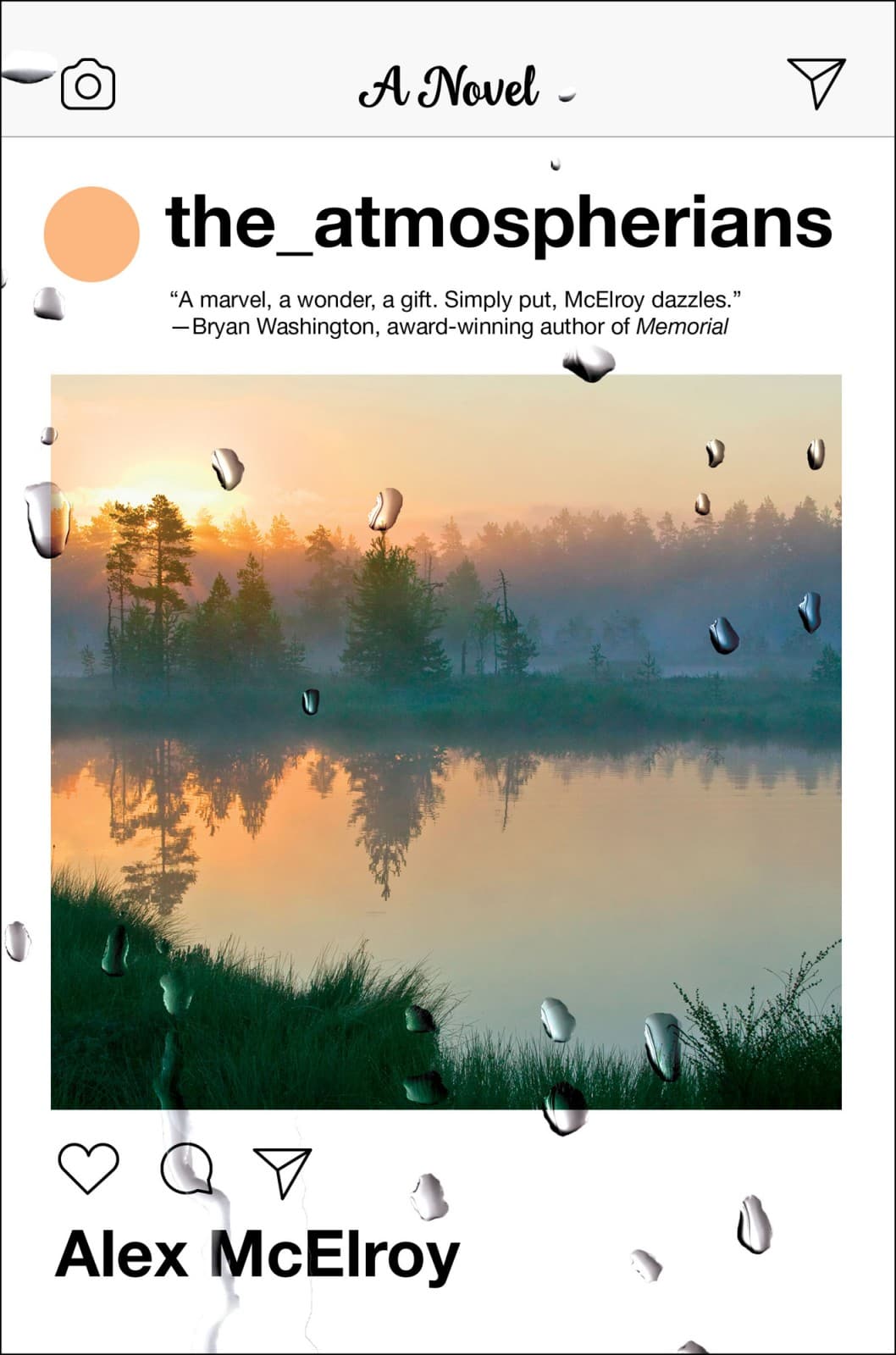
Three years is not a long time, but it has been long enough for the world to catch up to *the-atmospherians* in ways that make the novel feel less like satire and more like a draft proposal someone left on a desk. Alex McElroy published this in 2023 as a dark comedy about a fake wellness cult designed to rehabilitate toxic men through deprivation, confession, and tracksuit-based conformity. The "man hordes"—spontaneous gatherings of aimless white men acting with eerie collective purposelessness—read in 2023 as absurdist invention, a metaphor stretched past plausibility for comic effect. By 2026, after the further mainstreaming of male loneliness discourse, the proliferation of pseudo-therapeutic men's communities with ambiguous ideological commitments, and the continued spectacle of male grievance organizing itself into visible, unpredictable formations both online and off, the hordes don't land as jokes anymore. They land as slightly exaggerated reportage. McElroy got the texture of the phenomenon right: the blankness, the way the gatherings seem to have no ideology and yet produce consequences, the way institutions respond with a mixture of bureaucratic panic and willful misunderstanding. What the novel couldn't anticipate was how quickly the therapeutic vocabulary it mocks—"Emptying Out," ranked participation metrics, ritualized confession—would be adopted unironically by actual organizations marketing male self-improvement. The Atmosphere is parody. Its real-world descendants don't know that.
The book's sharpest prescience lies not in its cult mechanics but in its portrait of Sasha Marcus, a woman whose public identity is destroyed by algorithmic mob justice and who then discovers that the only available next moves are joining another institution of dubious intent or building one herself. The pipeline from cancelled influencer to corporate spokeswoman to cult figurehead maps neatly onto the post-2024 career trajectories of several real public figures who found that disgrace, properly leveraged, is just another form of credential. DAM, the tech company that absorbs Sasha mid-novel with its promises of transparency and inclusivity and its vague mission to "make the world safer," is recognizable now as the kind of entity that proliferated during the AI safety gold rush—organizations that spoke in the language of protection while their investor decks told a different story. McElroy nails the specific affect of these spaces: the open-plan offices designed to signal openness, the diversity that functions as décor, the leader who speaks in TED cadences about vulnerability while exercising total control. Roger Handswerth is not a villain. He is a type. The type has only become more common.