The Daughter Also Rises
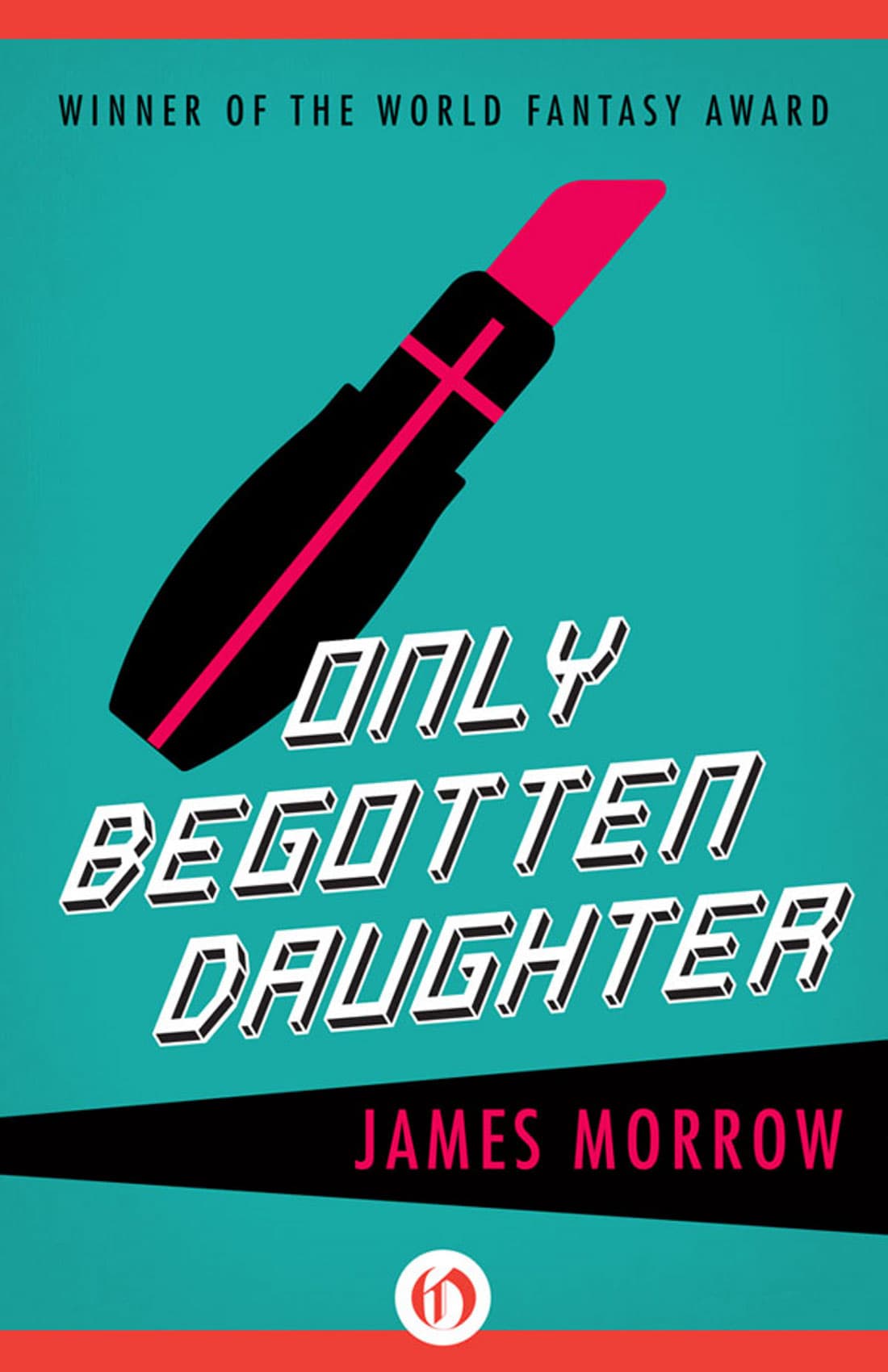
James Morrow published *Only Begotten Daughter* in 1989, the year the Berlin Wall fell, the year Francis Fukuyama declared the end of history. It is a novel about the daughter of God born from a sperm bank in Atlantic City, and it reads now less like satire than like a weather report filed thirty years early. The Revelationists—Morrow's roving bands of scripture-quoting vigilantes who torch casinos and punish heretics with hedge trimmers and gasoline—were absurd in 1989. They are less absurd after Charlottesville, after January 6th, after the sustained mainstreaming of Christian nationalist rhetoric into American electoral politics. Morrow's dystopian 2012 New Jersey, fractured into theocratic micro-states where Pro-Life Talking Embryo dolls are children's toys and heretics are hunted by mobs, was meant to be grotesque extrapolation. What he got right was the mechanism: not that America would become a theocracy, but that theocratic impulses would find purchase in the cracks of a society that had stopped believing in its own institutions. What he got wrong was the timeline. He set his dystopia too early and made it too theatrical. The real version arrived later, quieter, dressed in business casual, and ran for office.
The novel's central conceit—God's daughter, born via ectogenesis, raised Jewish in a lighthouse—is Morrow's vehicle for asking what happens when divinity meets American consumer culture. Julie Katz performs miracles, writes an advice column for a failing supermarket tabloid, descends to hell, loses her powers, and is eventually executed in a staged anticrucifixion. The satire is broad but the theology is serious. Morrow understands, in a way many of his contemporaries did not, that the danger of fundamentalism is not its irrationality but its internal coherence. Billy Milk is not stupid. He is rigorous within his own framework. That portrait holds up. What dates the novel is its confidence that the secular world would remain the default, that figures like Billy Milk would always be outsiders storming the gates rather than people already inside them. The tabloid subplot, too, feels quaint—Bix Constantine's dying supermarket rag is a relic of a media ecosystem that has since been replaced by something far stranger and more corrosive than Morrow could have imagined. He foresaw the hunger for sensationalism but not the infrastructure that would industrialize it.
The hell sequence is where the book becomes genuinely unsettling in hindsight. Julie discovers that damnation is determined not by individual guilt but by prevailing social consensus—you are damned for what your culture decided was damnable. This was a sharp philosophical point in 1989. In 2026, after years of watching algorithmic systems encode societal biases into automated judgment, after predictive policing and content moderation and social credit discourse, it reads as something closer to systems theory. Morrow's hell is a bureaucracy that processes souls according to inherited prejudice. We have built secular versions of this. The novel also anticipates, in Julie's prosthetic hand Molly and its evolution into a channel for spiritual communication, something like the uncanny intimacy people now have with their devices—the way a tool becomes a companion becomes an oracle. Morrow didn't foresee smartphones or large language models, but he understood the human tendency to seek transcendence through the nearest available interface.