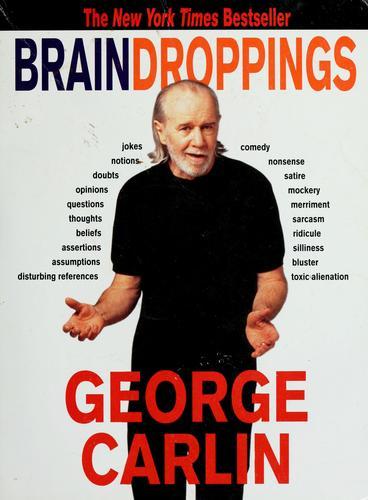
Say It Fat, Say It Plain
Carlin's method is a scalpel disguised as a shrug: take a euphemism apart word by word until the softening collapses under its own absurdity. "They're fat. They're not large; they're not big-boned. Dinosaurs are big-boned." The bit works because the logic is airtight even when the conclusion is cruel — he's not wrong that "vertically challenged" describes a skydiver better than a person with dwarfism, and he knows it, and he says so, and then two pages later concedes, almost as an aside, that "the impulse behind political correctness is a good one... it has been grotesquely distorted beyond usefulness." That sentence is the whole book in miniature: he wants credit for the diagnosis and immunity from the politics. Thirty years on, that particular shrug has become an entire career path.
What reads differently now is the shape of the audience this book was training, whether Carlin intended to train anyone or not. "I say it like it is, and if that offends you, that's your problem" is no longer a comedian's posture — it's a content category, with its own distribution deals and its own grievance economy, built on the exact move Carlin makes with "fat" and "cripple": reclaim