The Marble Egg Knows Your Name
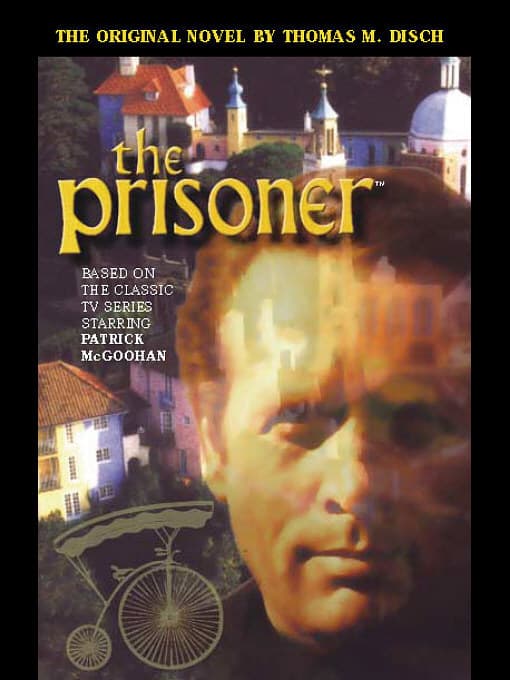
Thomas Disch's novelization of *The Prisoner* is an odd artifact — a literary writer conscripted to flesh out a television conceit, producing something that neither fully belongs to the show nor fully escapes it. Published in 1967, the same year Patrick McGoohan's series debuted, it reads less like a tie-in and more like Disch using someone else's furniture to stage his own play about what happens when a system decides it needs not your obedience but your *allegiance*. The distinction matters. Number 14's explanation of the conditioning process — sensory deprivation, pleasure-pain calibration, the slow replacement of internal conviction with externally managed loyalty — is not a portrait of a prison. It is a portrait of onboarding. The Village doesn't want Number 6 broken. It wants him *converted*, which is to say, it wants him to want what it wants, and to forget he ever wanted otherwise. In 2026, this reads less like dystopian fiction and more like a product design philosophy. The marble egg metaphor — an object whose behavior can be entirely predicted and shaped by manipulating the gradients of its environment — is uncomfortably close to the logic of recommendation algorithms, engagement optimization, and the behavioral nudge architectures that now govern how billions of people encounter information. Disch didn't predict the specific technology, but he nailed the underlying epistemology: that freedom is not taken away, it is made irrelevant by engineering the conditions under which choices are made.
What Disch anticipated with startling clarity is the performative hollowness of political participation within a closed system. The Nomination Committee arriving to inform Number 6 that he has been "unanimously nominated" for Mayor — a role whose meaninglessness is both obvious and unacknowledged — now reads like a precise satire of democratic theater in managed environments. The Village has elections. The Village has committees. The Village has processes. None of them are connected to power, and everyone involved seems to know this without being willing to say it. This is not 1967's anxiety about totalitarianism. This is 2026's lived experience of institutional capture, where the forms of participation persist long after the substance has been hollowed out. The numbered identities, too, land differently now. In 1967, being reduced to a number was a metaphor for dehumanization. In 2026, we voluntarily organize ourselves into user IDs, follower counts, and credit scores, and the horror is not that the system strips our names but that we find the numbers more legible than the names ever were.