The Oracle Has No Algorithm
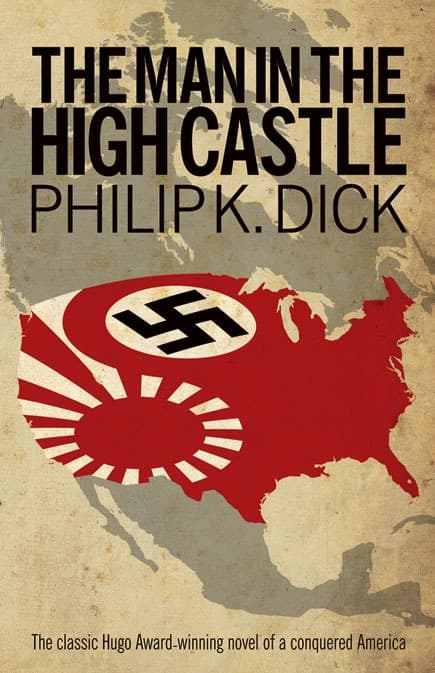
Philip K. Dick published this novel in 1962, the same year the Cuban Missile Crisis made Americans briefly consider that history might fork in directions nobody voted for. Sixty-four years later, the book reads less like alternate history and more like a diagnostic manual for the present — not because the Axis won, but because Dick understood something about the texture of life under ideological occupation that most of his contemporaries missed entirely. The novel's Americans don't resist. They adapt. They collect. They curate their own subjugation into a kind of aesthetic lifestyle, selling "authentic" Americana to their Japanese overlords while quietly counterfeiting the artifacts that give the transaction its meaning. Robert Childan's anxious social climbing among the Kasouras, his desperate need for approval from the occupying culture, his simultaneous resentment and admiration — this is not a portrait of 1962 America under imaginary fascism. This is a portrait of how cultural identity dissolves when the market becomes the only surviving institution. Dick could not have known about algorithmic curation, about the global trade in authenticity as brand, about Americans selling nostalgic versions of themselves to foreign capital. But the Wyndam-Matson forgery operation, producing fake Colt .44s indistinguishable from real ones, where "historicity" is a metaphysical property invisible to any instrument — that is a disturbingly precise anticipation of a world drowning in deepfakes, provenance fraud, and the ontological crisis of the authentic.
What Dick got wrong, or rather what he couldn't see past, is the shape of the authoritarianism itself. His Nazis are efficient. They drain the Mediterranean, colonize Mars, build rockets that cross continents in hours. The totalitarianism of 2026 does not arrive with engineering marvels and continental drainage projects. It arrives with information decay, with the deliberate erosion of shared reality — which is, ironically, the very thing the novel is actually about, just wearing the wrong costume. Dick dressed his insight in Hugo Boss when it should have been wearing a polo shirt and posting on social media. The novel's blind spots are also generational in predictable ways: Juliana Frink is the only significant female character and she exists largely in relation to the men around her, her agency peaking in a single act of violence. The racial politics are handled with more care than most 1962 fiction managed, but the African genocide is mentioned and then set aside, a background detail rather than a wound the narrative is willing to fully inhabit. Dick saw the horror clearly enough to name it. He did not see clearly enough to center it.