The Oscar for Best Warning Goes To
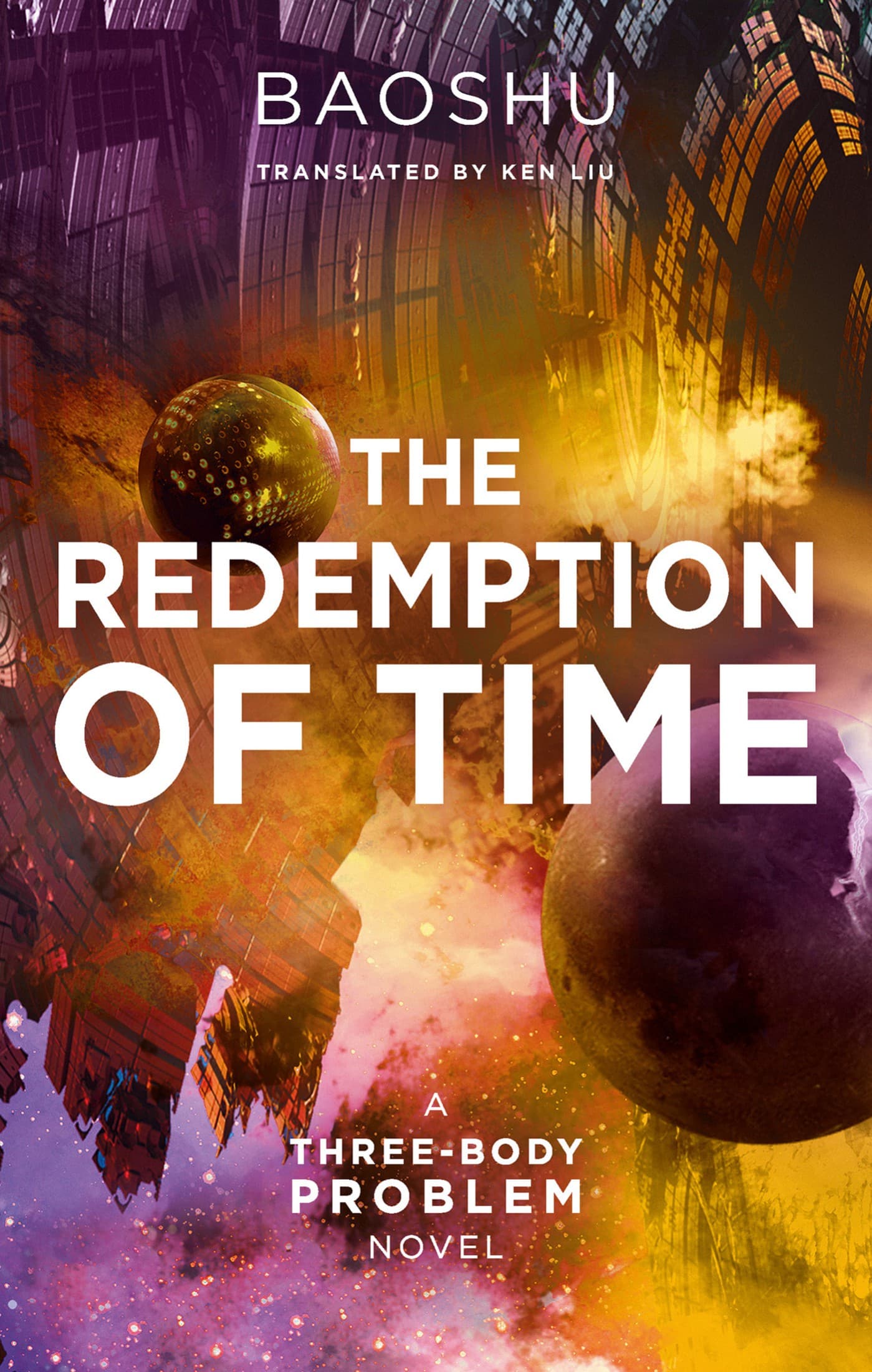
Buried inside Baoshu's *The Redemption of Time* — a novel that is, structurally, an act of devotion to Liu Cixin's *Remembrance of Earth's Past* trilogy — is a scene so good it deserves to be extracted and taught in seminars on the failure of communication. Yun Tianming, captive brain, writes a film called *The Betrayal of Heaven* for Trisolaran censors who cannot recognize deception. The film depicts, in plain sight, the Trisolarans murdering Luo Ji and conquering Earth. The censors approve it because they are biologically incapable of understanding that fiction can carry intent. It airs on Earth. Critics praise it as "a profound distillation of Trisolaran rumination on the horrors of their warlike past and the depth of their commitment to humanistic values." It wins Best Picture at the Oscars. Sophon, in an elegant kimono, accepts the award. The warning is received, celebrated, and completely neutralized — not by suppression but by interpretation. The few who read it correctly are dismissed as Cassandras. This is the best scene Baoshu ever wrote, and it isn't even the scene the novel thinks it's about.
The book around that scene is something else entirely: a cosmological backstory machine. Baoshu takes the dark forest hypothesis — Liu Cixin's coldest, most elegant idea — and retrofits it with a creation myth. A ten-dimensional Edenic universe. A Master. A Lurker. A fall from grace measured in collapsing dimensions rather than expelled gardens. The physics of dimension reduction, which in Liu Cixin's trilogy operated as impersonal game theory carried to its thermodynamic conclusion, gets rewritten here as theology: there was a paradise, a betrayal, a long war of attrition from ten dimensions down to three, and a Creator who gave time as a gift before dying. It is Genesis dressed in the language of membrane cosmology. Reading it in 2026, after a decade in which both Chinese and Western science fiction have increasingly reached for numinous explanations of physical law — after *Arrival* made Sapir-Whorf feel like prayer, after every second space opera discovered that the universe is a simulation or a test — the theological turn no longer surprises. What surprises is how openly Baoshu commits to it. Liu Cixin's original trilogy derived its power from the absence of a benevolent architect. Baoshu puts one back. The dark forest was terrifying because nobody designed it. With a Creator and a Lurker, it becomes a custody battle between gods, and the terror leaks out.