The Ice Was Never a Metaphor
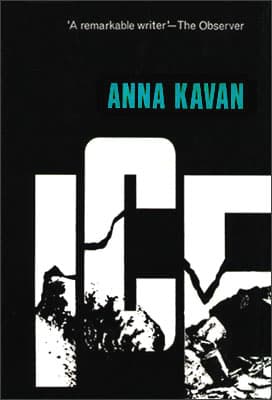
Anna Kavan wrote *Ice* in 1967, the year before she died, and the world has spent nearly six decades trying to decide whether the advancing glacial wall at its center is symbol or forecast. The consensus has generally tilted toward symbol — of trauma, of heroin withdrawal, of Cold War paralysis, of the annihilating force of male desire. All of those readings hold. But sitting here in 2026, watching the Thwaites glacier shed mass at rates that would have seemed hallucinatory in the mid-sixties, watching governments issue climate reports with the same bureaucratic calm Kavan's wardens use to deny catastrophe, the literal register of the novel has become impossible to ignore. The ice in *Ice* is also ice. The book's emotional weather — the sense that everyone knows what's coming and no one can stop performing normalcy — is no longer a surrealist gesture. It is the texture of daily life in the Anthropocene. Kavan didn't predict climate change in any scientific sense; she predicted the psychological architecture of living inside it. The parties in the "safe" town, the euphoria layered over dread, the officials who control information about the advancing wall — these aren't speculative flourishes anymore. They are Tuesday.
What Kavan got wrong, or rather what she couldn't have known to imagine, is the direction of the thermal arrow. Her apocalypse is cold. Ours is hot, except in the places where it is suddenly, anomalously cold, or wet, or on fire. The novel's landscape of frozen encroachment maps eerily onto the experience of climate disruption anyway, because what she actually captured was the phenomenology of a world becoming uninhabitable in slow motion — the way borders harden, resources vanish, strongmen consolidate, refugees multiply, and the protagonist keeps driving. The nuclear fallout threading through the background is more period-specific, a residue of the era's dominant anxiety, but even that has aged into renewed relevance as nuclear rhetoric has re-entered mainstream geopolitics. What *is* conspicuously absent is any collective response. There are no movements, no protests, no solidarity networks. Every character is atomized. This may reflect Kavan's own isolation and addiction, her decades of institutional confinement, but it also reflects a particular mid-century British assumption: that catastrophe is fundamentally a private experience. The absence of community in the novel is its deepest period artifact, and also, uncomfortably, its most accurate prophecy about how fractured publics actually respond to systemic threat.