The Fungus Among Us Was Always the Point
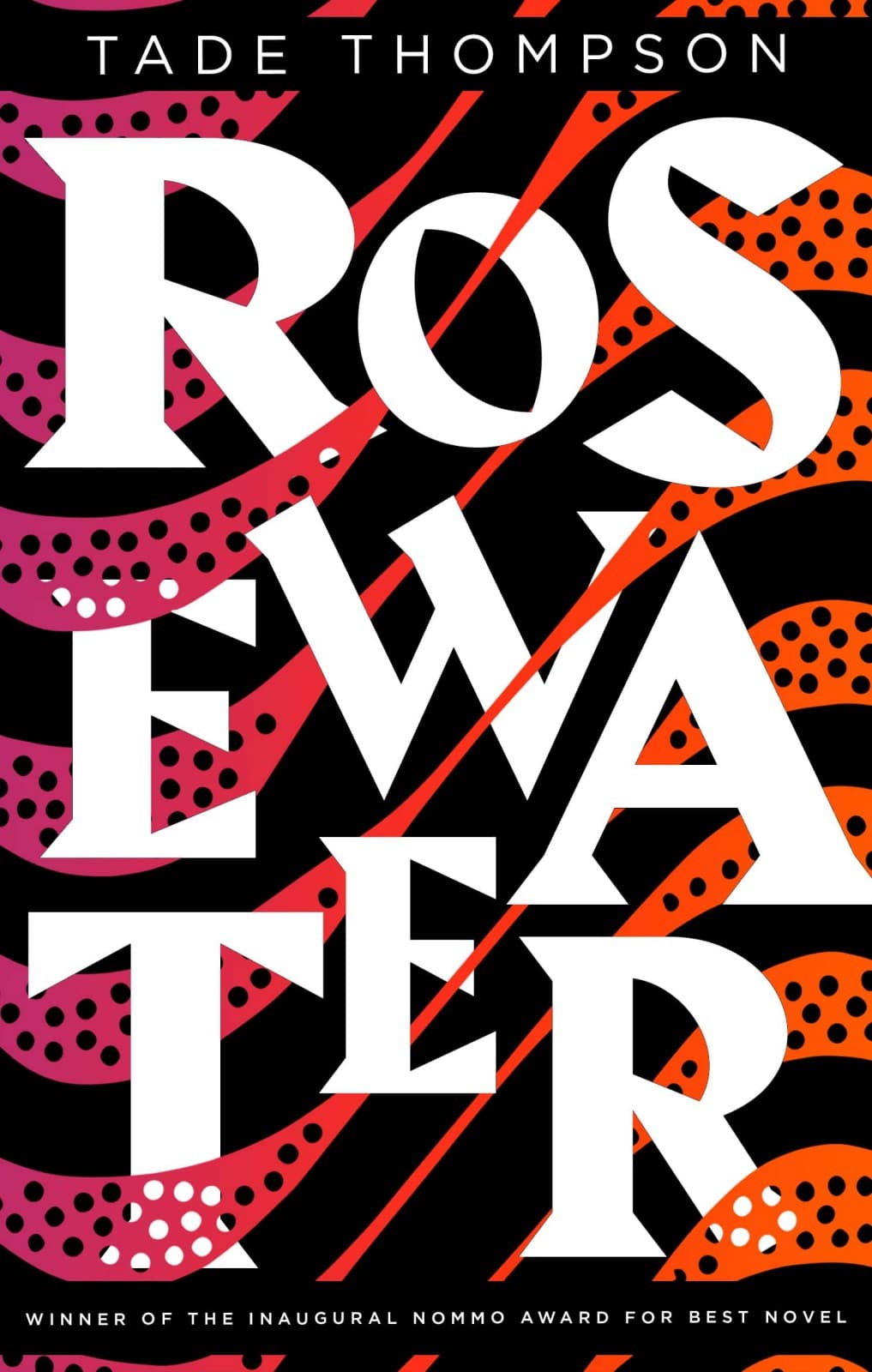
Ten years on, the most unnerving thing about Tade Thompson's *Rosewater* is not that it imagined an alien biodome squatting in the middle of Nigeria. It's that it imagined everyone learning to live with it. The alien presence in Rosewater doesn't arrive with war fleets or ultimatums. It arrives as infrastructure. It heals the sick once a year, rewires the local economy, threads its fungal xenoforms through the soil and the groundwater and, eventually, through human cells themselves. People build a city around it the way people build cities around rivers or ports or server farms. They complain about it the way they complain about the weather. Thompson understood something in 2016 that the rest of speculative fiction was still catching up to: that the most profound invasions are the ones that make themselves useful. In 2026, after a decade of watching large language models, algorithmic recommendation systems, and biosynthetic platforms become load-bearing walls in daily life — tools we didn't ask for, don't fully understand, and now cannot remove without collapse — the xenosphere reads less like metaphor and more like infrastructure documentation. Kaaro's job defending mental data from psychic intrusion at a bank is, functionally, a cybersecurity role in a network whose underlying protocol is alien and proprietary. We have those jobs now. We just don't call the protocol alien.
Where Thompson proved sharpest was in the political texture. Section Forty-five, the covert Nigerian government agency that conscripts Kaaro, operates with the specific paranoia of a state that knows it is dependent on something it cannot control — and so it surveils, manages, and weaponizes the people who interface with that something, rather than the something itself. This is not generic authoritarianism. It is the precise posture of governments that have spent the last decade negotiating with tech platforms too large to regulate and too embedded to ban. Femi's cold pragmatism, her willingness to frame Kaaro to secure his cooperation, mirrors the transactional coercion that characterizes state relationships with technical talent everywhere from Lagos to Shenzhen to Washington. Thompson also nailed the emotional register of the conscripted expert: Kaaro's not a rebel, not a collaborator, just a man who wants to be left alone with his abilities and his girlfriend and who knows, with weary certainty, that he won't be.
The novel's treatment of Africa as the center of a global science fiction narrative was, in 2016, still something reviewers felt the need to remark upon. That it no longer requires remarking upon is partly Thompson's doing. *Rosewater* arrived in the same current as Nnedi Okofor's *Binti* and Namwali Serpell's early work, but Thompson's contribution was distinctly less interested in wonder and more interested in bureaucracy, graft, and the way extraordinary phenomena get metabolized by ordinary corruption. The alien biodome doesn't transcend Nigerian politics; it gets absorbed into them. Healing days become economic events. Sensitives become government assets. The xenosphere becomes another resource to be extracted. This is post-colonial science fiction that takes the "post" seriously — not as aftermath but as ongoing condition, a perpetual negotiation with powers that are neither fully present nor fully gone.