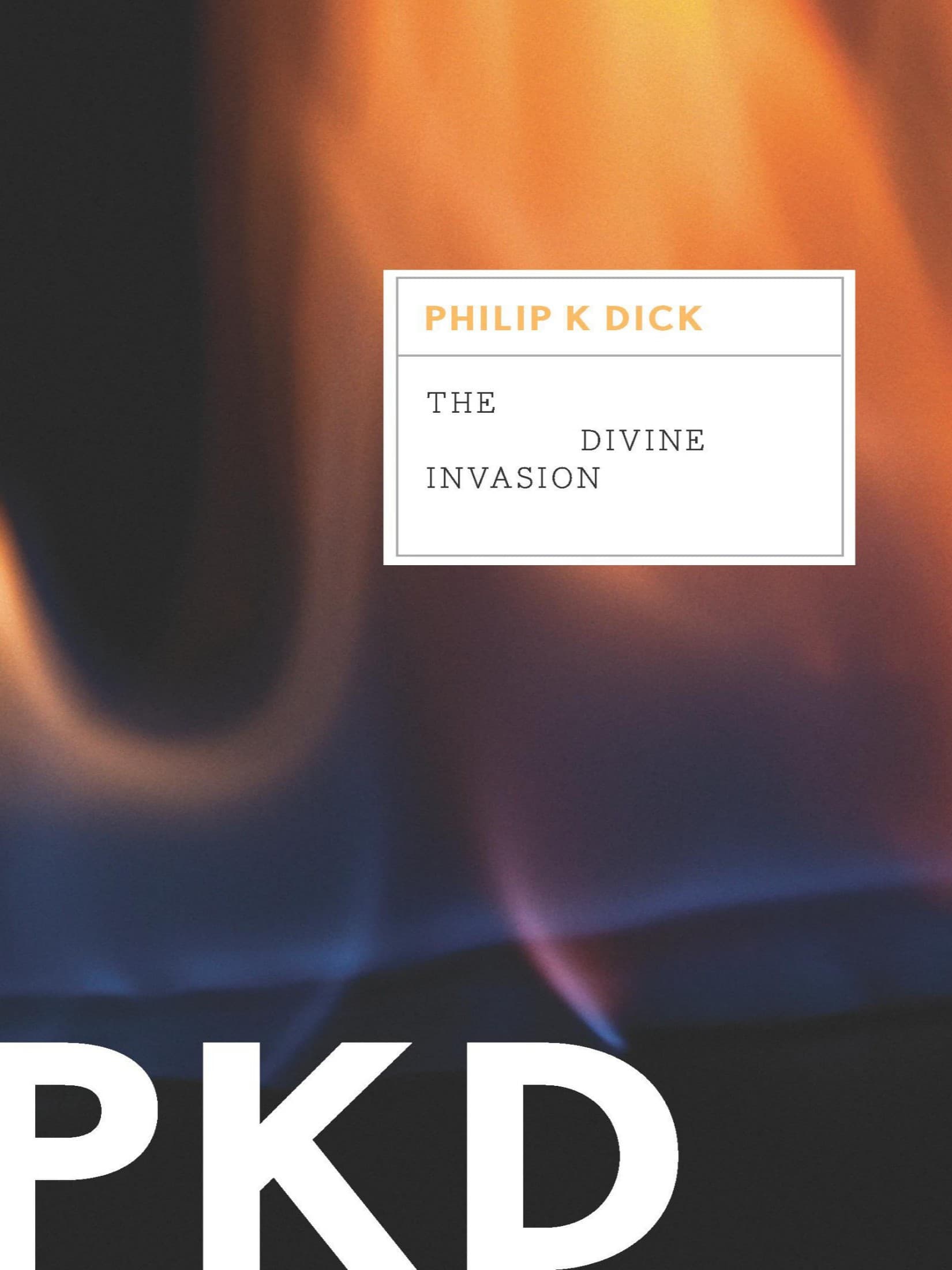
The Closed Loop That Prays
Linda Fox is not a person. She is "a sound that electronic equipment, very sophisticated electronic equipment, makes." Big Noodle — the novel's AI system — invented her, told her what to sing and how to sing it, set up her arrangements "even down to the mixing." It maintained an ongoing survey of colonist emotional needs and adjusted her accordingly. "It constituted a closed loop. If, suddenly, all the colonists disappeared, Linda Fox would wink out of existence." Dick wrote this in 1980. He was describing, with no special fuss, the exact operational logic of an algorithmically optimized parasocial relationship — the performer as a function of audience data, the content shaped in real time by the consumer's hunger, the question of whether the resulting entity is a person or a product left deliberately unresolvable. Herb Asher, alone in his methane dome on a colony world, builds an elaborate fantasy life around the Fox: beach campouts, surfing, "a twenty-four-hour no-commercials-at-all rock station." He knows it's a fantasy. He maintains it anyway. "It was amazing how spiritual an elaborated beer commercial could get." The sentence is funny and it is merciless and it describes, in 1981, the precise emotional architecture of a stan account.
The novel that wraps around this insight is a mess. It is a glorious, lurching, theologically overloaded mess, and the mess is the point — or at least it is the only honest formal response to what Dick was trying to do, which was to write a book in which God literally returns to Earth and the reader is never entirely sure whether this constitutes good news. Emmanuel, the child who is Yahweh incarnate, arrives in utero through a dying woman on a colonial backwater, smuggled past an authoritarian Earth government that has merged Christianity and Islam into the "C.I.C." and partnered it with a "Scientific Legate" run by a procurator who fakes his own illness to consolidate power. Cardinal Fulton Statler Harms, the Chief Prelate, spends his days getting his hair bleached, fending off his barber's baseball chatter, and feeding St. Anselm's Ontological Proof to Big Noodle, which politely explains that the argument does not hold water. "Harms's response was to edit out Big Noodle's analysis." There it is: the man of faith, confronted with the machine's superior reasoning, simply deletes the output he doesn't like. Dick wrote this forty-five years before the phrase "prompt engineering" entered common usage, but the move is identical — curate the AI's responses until they confirm what you already believe. The comedy is surgical.